

Couples communication tools come in many shapes — structured workbooks, skill-building guides, and research-backed marriage manuals — and the right one depends on how much time and structure you and your partner can commit to. My top pick is the Two-Pen Relationship Workbook for Couples, because its two-person format forces both partners to participate rather than leaving one person doing all the emotional labor. Two other standouts: The Seven Principles for Making Marriage Work brings decades of clinical research to readers who want evidence over exercises, and Couples Communication Workbook: 20 Minutes a Day for 12 Days suits busy couples who need a short, low-commitment entry point. The main tradeoff in this category is depth versus time investment — longer 12-week programs deliver more transformation but demand consistency, while shorter guides are easier to finish but cover less ground. Read on for the full breakdown of all 14 options.

Get gifts for the two of you delivered free with Prime
- Fast, free delivery on millions of items
- Prime Video, Amazon Music and more included
- Member-only deals all year
Key Takeaways
- Structured, time-boxed programs (8-week and 12-week workbooks) dominated the middle of this lineup because they build habits, but they only work if both partners actually commit to the schedule.
- The Two-Pen Relationship Workbook stood apart as the only pick designed for simultaneous two-person participation — most alternatives assume one reader facilitates, which often leads to one partner disengaging.
- Short-format options like the 12-day and 150-daily-habits books trade depth for completion rates, making them the smart starting point for resistant or skeptical partners.
- Gottman’s The Seven Principles remains the only research-driven pick here; it costs more and reads denser, but it explains why communication breaks down rather than just assigning exercises.
- Several titles in this category overlap heavily in title and content — differences in exercise quality, partner engagement design, and grounding in real therapy methods are what separate the top five from the rest.
| 8-Week Couples Communication Workbook |  | Best Structured Program | Format: Paperback workbook | Program Length: 8 weeks | Focus Areas: Emotional connection, conflict resolution, partnership building | VIEW LATEST PRICE | See Our Full Breakdown |
| Communication Skills for Couples |  | Best for Conflict-Averse Readers | Format: Paperback book | Structure: Self-paced chapters, no fixed timeline | Focus Areas: Communication, conflict resolution, intimacy, marriage strengthening | VIEW LATEST PRICE | See Our Full Breakdown |
| 8-Week Couples Therapy Workbook |  | Best Self-Help Therapy Alternative | Format: Spiral-bound workbook | Program Length: 8 weeks | Focus Areas: Communication, connection, relationship strengthening, self-reflection | VIEW LATEST PRICE | See Our Full Breakdown |
| Reconnect: A Marriage Counseling Workbook |  | Best for Long-Term Marriages | Format: Paperback workbook | Structure: Guided conversations and exercises, self-paced | Focus Areas: Communication, intimacy, long-term relationship strengthening | VIEW LATEST PRICE | See Our Full Breakdown |
| The Couples Communication Handbook: The Skills You Never Learned for the Marriage You Always Wanted |  | Best Fundamentals Guide | Format: Paperback/ebook handbook | Structure: Skills-based chapters, self-paced | Focus Areas: Core communication skills, understanding, marriage quality | VIEW LATEST PRICE | See Our Full Breakdown |
| Relationship Workbook for Couples: 8-Week Program and Proven Strategies to Rebuild Trust, Resolve Conflict, Improve Communication, and Rekindle Intimacy |  | Best for Rebuilding After a Rift | Format: Paperback workbook | Program Length: 8 weeks | Core Focus: Trust rebuilding, conflict resolution, communication, intimacy | VIEW LATEST PRICE | See Our Full Breakdown |
| 12-Week Relationship Therapy Workbook for Couples | 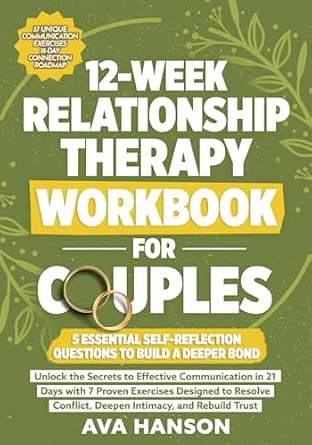 | Best Deep-Dive Program | Format: Paperback workbook | Program Length: 12 weeks | Number of Core Exercises: 7 | VIEW LATEST PRICE | See Our Full Breakdown |
| Communicate Your Feelings (Without Starting a Fight): What to Say and What Not to Say to Your Partner |  | Best for Defusing Daily Friction | Format: Book (print and digital) | Core Focus: Expressing feelings without conflict | Approach: Practical scripts — what to say and what not to say | VIEW LATEST PRICE | See Our Full Breakdown |
| The Couples Communication Handbook: Your Roadmap to Stronger, Healthier Communication and Deeper Connection |  | Best Reference Guide | Format: Handbook / guide book | Core Focus: Communication strategies and deeper connection | Approach: Roadmap-style reference, self-paced | VIEW LATEST PRICE | See Our Full Breakdown |
| Couples Communication Workbook: 20 Minutes a Day for 12 Days to Improve Listening, Resolve Conflicts, and Strengthen Your Relationship |  | Best for Busy Couples | Format: Paperback workbook | Program Length: 12 days | Daily Time Required: 20 minutes | VIEW LATEST PRICE | See Our Full Breakdown |
| The Two-Pen Relationship Workbook for Couples: An 8-Week Program Built for Both of You |  | Best for Busy Couples | Format: Paperback workbook | Program Length: 8 weeks | Exercise Duration: ~15 minutes | VIEW LATEST PRICE | See Our Full Breakdown |
| Love More, Fight Less: Communication Skills Every Couple Needs | 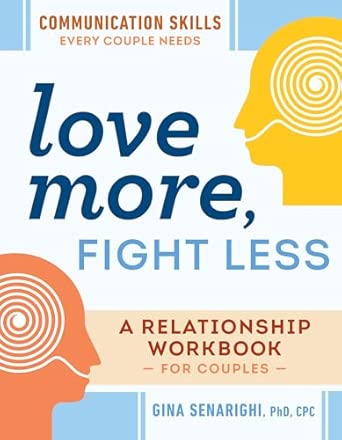 | Best Skill-Building Pick | Format: Paperback workbook | Approach: Skill instruction paired with practice exercises | Focus Areas: Conflict reduction, understanding, connection | VIEW LATEST PRICE | See Our Full Breakdown |
| The Practical Communication Handbook for Couples: 150 Daily Habits to Build Healthy Communication, Reignite Intimacy, and Strengthen Your Relationship | 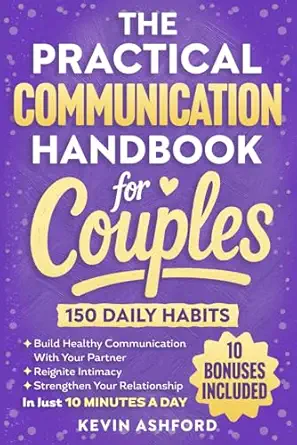 | Best Low-Commitment Habit Builder | Format: Paperback handbook | Content Volume: 150 daily habits | Time Required: ~10 minutes per day | VIEW LATEST PRICE | See Our Full Breakdown |
| The Seven Principles for Making Marriage Work: A Practical Guide from the Country’s Foremost Relationship Expert |  | Best Research-Backed Classic | Format: Paperback / ebook | Author: John Gottman, Ph.D., with Nan Silver | Basis: Clinical research on married couples | VIEW LATEST PRICE | See Our Full Breakdown |
| couples communication tool | Format | Approach | Focus Areas | Program Length |
|---|---|---|---|---|
| 8-Week Couples Communication W | Paperback workbook | Step-by-step guided exercises | Emotional connection, conflict resolution, partnership building | 8 weeks |
| Communication Skills for Coupl | Paperback book | Practical strategy guide | Communication, conflict resolution, intimacy, marriage strengthening | — |
| 8-Week Couples Therapy Workboo | Spiral-bound workbook | Therapy-style exercises and mutual growth activities | Communication, connection, relationship strengthening, self-reflection | 8 weeks |
| Reconnect: A Marriage Counseli | Paperback workbook | Dialogue-based counseling exercises | Communication, intimacy, long-term relationship strengthening | — |
| The Couples Communication Hand | Paperback/ebook handbook | Instructional skills guide | Core communication skills, understanding, marriage quality | — |
| Relationship Workbook for Coup | Paperback workbook | Guided weekly exercises | — | 8 weeks |
| 12-Week Relationship Therapy W | Paperback workbook | Therapy-style structured program | — | 12 weeks |
| Communicate Your Feelings | Book (print and digital) | Practical scripts — what to say and what not to say | — | None — self-paced reading |
| The Couples Communication Hand | Handbook / guide book | Roadmap-style reference, self-paced | — | None — non-sequential |
| Couples Communication Workbook | Paperback workbook | Daily guided exercises | — | 12 days |
| The Two-Pen Relationship Workb | Paperback workbook | — | Trust, conflict resolution, closeness | 8 weeks |
| Love More | Paperback workbook | Skill instruction paired with practice exercises | Conflict reduction, understanding, connection | — |
| The Practical Communication Ha | Paperback handbook | — | Communication, intimacy, relationship strength | — |
| The Seven Principles for Makin | Paperback / ebook | — | Marriage stability, conflict management, friendship, repair | — |
More Details on Our Top Picks
8-Week Couples Communication Workbook
This pick earns its place for having the clearest week-by-week progression in this batch, which matters for couples who have tried reading about communication and failed to turn it into practice. Where Communication Skills for Couples teaches concepts in a linear read, this workbook forces application — each week pairs emotional connection exercises with conflict resolution drills, so partners build skills together rather than solo. That structure is also the tradeoff: an eight-week commitment means couples who skip weeks will lose momentum, and the payoff depends on both partners buying in. Compared with the similarly structured 8-Week Couples Therapy Workbook, this version leans harder into emotional connection than clinical technique, which suits motivated couples more than those in crisis.
Pros:- Clear week-by-week structure keeps couples accountable
- Combines emotional connection work with conflict resolution exercises
- Skills are applied together, not just read about
- Concrete finish line motivates completion
Cons:- Eight-week commitment is a real barrier for busy or inconsistent couples
- Little available feedback or reviews to gauge real-world results
Best for: Committed couples who want a guided, exercise-driven program and know they can stick to an eight-week routine
Not ideal for: Couples looking for a casual read or quick tips — the program demands consistent effort from both partners
- Format:Paperback workbook
- Program Length:8 weeks
- Focus Areas:Emotional connection, conflict resolution, partnership building
- Approach:Step-by-step guided exercises
- Best Use:Couples working through the program together
- Commitment Level:High — weekly exercises required
Our verdict“Choose this if you and your partner will actually do the weekly work — the structure is the product.”
Communication Skills for Couples
What separates this guide from the workbook-heavy options here is its low-commitment, read-at-your-own-pace format. Instead of an eight-week curriculum like the 8-Week Couples Communication Workbook, this book delivers practical strategies in digestible chapters, making it approachable for a partner who resists “doing homework” on the relationship. The scope is broad — communication, conflict, intimacy, and marriage-strengthening — which is a strength for overview seekers and a weakness for anyone wanting depth in one area. Because it’s lighter on structured exercises, couples with serious recurring arguments may get more from a workbook format. This pick makes the most sense for early-stage couples or those wanting to build a shared vocabulary before problems escalate.
Pros:- Broad coverage of communication, conflict, and intimacy in one volume
- Low commitment — easy to read without a schedule
- Accessible for partners skeptical of formal programs
- Works well as a first step before deeper resources
Cons:- Few exercises means less hands-on practice than workbook rivals
- Author credentials and content depth are not well documented
Best for: Couples early in their relationship or partners who resist workbooks but will read a strategy guide together
Not ideal for: Couples with entrenched conflict patterns who need structured exercises and accountability, not just concepts
- Format:Paperback book
- Structure:Self-paced chapters, no fixed timeline
- Focus Areas:Communication, conflict resolution, intimacy, marriage strengthening
- Approach:Practical strategy guide
- Commitment Level:Low to moderate
- Best Use:Casual shared reading and discussion
Our verdict“A low-pressure entry point for couples who want shared strategies without committing to a program.”
8-Week Couples Therapy Workbook
Positioned closest to a do-it-yourself counseling experience, this workbook stands out for its spiral binding — a small detail that genuinely matters when both partners are writing in it side by side on a table. Compared with Reconnect: A Marriage Counseling Workbook, which favors guided conversations, this option tilts toward self-reflection and mutual growth exercises, giving it a more therapeutic, inward-facing tone. That clinical flavor is a double-edged sword: couples who want to understand their own patterns will thrive, while those hoping for lighter connection-building activities may find it heavy. Like the other eight-week programs here, results demand consistency, and the limited detail on included materials means buyers are trusting the framework without much preview.
Pros:- Spiral binding lets the workbook lie flat for paired exercises
- Therapy-style structure approximates counseling at a fraction of the cost
- Eight-week program builds skills progressively
- Emphasizes self-reflection, which drives individual insight
Cons:- Reflective exercises can feel heavy for couples wanting lighter engagement
- Limited transparency about included materials and methods
Best for: Couples who want a therapy-adjacent experience at home and value self-reflection over casual conversation prompts
Not ideal for: Couples wanting light, fun connection exercises — the reflective tone can feel like hard work
- Format:Spiral-bound workbook
- Program Length:8 weeks
- Focus Areas:Communication, connection, relationship strengthening, self-reflection
- Approach:Therapy-style exercises and mutual growth activities
- Binding:Spiral — lies flat for two-person use
- Commitment Level:High — consistency required
Our verdict“The closest thing to at-home couples therapy — pick it if introspection appeals more than conversation cards.”
Reconnect: A Marriage Counseling Workbook
This option stands out for its guided conversation format, which trades drills for dialogue — a meaningful difference for long-married couples who already know their conflict patterns and need help talking about them productively. Where the 8-Week Couples Therapy Workbook asks partners to reflect individually, Reconnect puts them in direct conversation, which better serves couples whose problem is distance rather than misunderstanding. The tradeoff is pace: conversation-based work can feel slow, and partners who want tactical scripts or step-by-step conflict frameworks — like those in the 8-Week Couples Communication Workbook — may finish wanting more concrete tools. For couples whose goal is rekindling intimacy in an established marriage, this format is hard to beat.
Pros:- Guided conversations get partners talking directly about hard topics
- Specifically designed for long-term relationship growth
- Improves intimacy alongside communication
- Less homework-heavy than program-style workbooks
Cons:- Conversation format offers fewer concrete tactical tools
- Results still require sustained commitment over time
Best for: Long-term married couples feeling distant who want structured conversations more than exercises
Not ideal for: Couples in active conflict who need tactical de-escalation scripts and step-by-step frameworks
- Format:Paperback workbook
- Structure:Guided conversations and exercises, self-paced
- Focus Areas:Communication, intimacy, long-term relationship strengthening
- Approach:Dialogue-based counseling exercises
- Commitment Level:Moderate
- Best Use:Established couples rebuilding connection
Our verdict“Best for established marriages where the real work is reopening dialogue, not learning new techniques.”
The Couples Communication Handbook: The Skills You Never Learned for the Marriage You Always Wanted
The subtitle tells you the angle: this handbook teaches baseline communication skills most people were never taught — listening, expressing needs, and managing reactive responses. Compared with Communication Skills for Couples, which surveys many relationship topics, this book goes narrower and deeper on skill-building, making it the stronger pick for couples who keep having the same fight because their underlying communication mechanics are broken. The flip side of that focus is what’s missing: there are no structured exercises, prompts, or program scaffolding, so implementation falls entirely on the couple. If you need accountability, the Couples Communication Workbook: 20 Minutes a Day for 12 Days in this roundup offers a built-in routine instead. As a skills foundation to build on, though, this is the tightest fit.
Pros:- Focused on root-cause communication skills, not surface tactics
- Directly addresses recurring argument patterns
- Applicable to marriage-quality improvement beyond conflict
- Digestible framing of skills most couples were never taught
Cons:- No exercises, prompts, or tools to structure practice
- Translating ideas into habit change requires real self-discipline
Best for: Couples who repeat the same arguments and need to fix foundational communication mechanics before anything else
Not ideal for: Couples who need external structure — with no exercises or schedule, implementation is entirely self-directed
- Format:Paperback/ebook handbook
- Structure:Skills-based chapters, self-paced
- Focus Areas:Core communication skills, understanding, marriage quality
- Approach:Instructional skills guide
- Included Tools:None — concepts only, no exercises
- Commitment Level:Low to read, high to implement
Our verdict“Pick this to fix the underlying skills behind your arguments — but pair it with discipline or a workbook if you need structure.”
Relationship Workbook for Couples: 8-Week Program and Proven Strategies to Rebuild Trust, Resolve Conflict, Improve Communication, and Rekindle Intimacy
Couples recovering from a breach of trust need more than communication tips — they need a structured repair process, and that is where this workbook earns its place. The 8-week program walks pairs through trust exercises, conflict scripts, and intimacy prompts in a sequence, which matters because post-conflict couples tend to abandon unstructured effort quickly. Compared with Communicate Your Feelings (Without Starting a Fight), this is far more prescriptive: it tells you what to do each week rather than just how to phrase things. The tradeoff is real, though — a two-month commitment demands both partners stay engaged, and if only one of you is doing the work, the exercises can feel lopsided.
Pros:- Structured 8-week program that sequences repair work logically
- Targets trust rebuilding, not just everyday communication
- Includes practical exercises rather than abstract theory
- Also addresses rekindling intimacy after conflict
Cons:- Demands an 8-week commitment from both partners
- Less useful if only one partner is motivated to participate
Best for: Couples actively repairing after betrayal, resentment, or a major fallout who want a week-by-week roadmap
Not ideal for: Couples wanting quick conversational fixes — this requires sustained effort across two months from both partners
- Format:Paperback workbook
- Program Length:8 weeks
- Core Focus:Trust rebuilding, conflict resolution, communication, intimacy
- Approach:Guided weekly exercises
- Best Use Case:Post-conflict relationship repair
- Partner Participation:Both partners recommended
Our verdict“This is the pick for couples in active repair mode who can commit to a two-month guided program together.”
12-Week Relationship Therapy Workbook for Couples
Think of this as the extended edition of the workbook category. Where the Relationship Workbook for Couples compresses its program into 8 weeks, this one spreads 7 core exercises across 12 weeks, giving couples more breathing room to practice each skill before moving on — a genuinely better pace for slow processors or couples with packed schedules. The therapy-style framing also makes it a sensible bridge for pairs on a counseling waitlist or between sessions. The obvious cost is time: three months is a serious commitment, and compared with the Couples Communication Workbook‘s 12-day sprint, the payoff feels distant if you want fast wins. Progress here is slow-cooked, not microwaved.
Pros:- Longer 12-week arc allows skills to actually stick
- 7 proven exercises cover communication, conflict, trust, and intimacy
- Works well as a supplement to or bridge toward couples therapy
- Less rushed pacing than shorter programs
Cons:- Three-month commitment is the longest in this roundup
- Slower feedback loop can sap motivation if early exercises feel repetitive
Best for: Patient couples who want a therapy-adjacent, extended program and can sustain motivation over a full quarter
Not ideal for: Impatient couples or those in crisis who need visible progress within days, not months
- Format:Paperback workbook
- Program Length:12 weeks
- Number of Core Exercises:7
- Core Focus:Communication, conflict resolution, intimacy, trust
- Approach:Therapy-style structured program
- Best Use Case:Extended self-guided couples work
- Partner Participation:Both partners required for exercises
Our verdict“Choose this if you view relationship work as a quarter-long project rather than a quick fix.”
Communicate Your Feelings (Without Starting a Fight): What to Say and What Not to Say to Your Partner
Not every couple needs a multi-week program — sometimes the problem is simpler: hard conversations keep turning into fights. This book’s narrow focus on what to say and what not to say makes it the most immediately actionable entry here. Where The Couples Communication Handbook takes a broad roadmap approach, this one functions more like a phrase-level field guide, which is exactly what reactive couples need in the moment. The tradeoff is depth: there are no weekly exercises, no trust-rebuilding arc, and no homework structure to force practice. Read it in a weekend, but be prepared to self-enforce the changes. It supplements, rather than replaces, a program like the 12-Week Relationship Therapy Workbook.
Pros:- Immediately usable scripts and phrasing guidance
- Narrow focus prevents overwhelm for busy or reluctant readers
- Readable quickly without a weeks-long commitment
- Directly targets the escalation-to-fight pattern
Cons:- No exercises or program structure to reinforce habits
- Shallow for couples with deeper trust or intimacy issues
Best for: Couples whose main issue is escalation during arguments and who want phrase-level scripts they can use immediately
Not ideal for: Couples seeking structured change or trust repair — there’s no program or exercises to work through together
- Format:Book (print and digital)
- Core Focus:Expressing feelings without conflict
- Approach:Practical scripts — what to say and what not to say
- Program Length:None — self-paced reading
- Time Commitment:Low; readable in a weekend
- Best Use Case:Reducing escalation in everyday conversations
Our verdict“This is the fast, practical read for couples who argue well about everything except how to argue.”
The Couples Communication Handbook: Your Roadmap to Stronger, Healthier Communication and Deeper Connection
Where most entries in this roundup are programs with start and end dates, this handbook is built for dipping in and out as issues arise — closer to a reference than a curriculum. That makes it a strong match for couples who bristle at homework but still want practical dialogue strategies on hand when a topic gets sticky. Compared with Communicate Your Feelings (Without Starting a Fight), it covers a wider territory — connection-building alongside conflict tactics — but sacrifices that book’s tight, script-level specificity. The honest drawback: without a weekly structure pushing you forward, it’s easy to read once and shelve it, and the depth of coverage per topic is necessarily thinner than a dedicated 8- or 12-week workbook.
Pros:- Broad coverage of communication and connection topics
- Reference format suits issue-by-issue consultation
- Lower pressure than timed programs
- Good entry point before committing to a full workbook
Cons:- No program structure, so momentum depends entirely on the couple
- Less depth per topic than dedicated multi-week workbooks
Best for: Couples who prefer self-directed reading and want a go-to guide they can revisit whenever specific issues come up
Not ideal for: Couples who need external structure and accountability — nothing here forces you to keep going
- Format:Handbook / guide book
- Core Focus:Communication strategies and deeper connection
- Approach:Roadmap-style reference, self-paced
- Program Length:None — non-sequential
- Time Commitment:Flexible
- Best Use Case:Ongoing reference for communication challenges
Our verdict“Pick this if you want a communication guide you’ll keep on the shelf, not a schedule you have to follow.”
Couples Communication Workbook: 20 Minutes a Day for 12 Days to Improve Listening, Resolve Conflicts, and Strengthen Your Relationship
The 20-minutes-a-day, 12-day format is the smartest design decision in this batch. It directly solves the biggest failure mode of workbooks like the 12-Week Relationship Therapy Workbook: abandonment due to time pressure. Busy couples — shift workers, parents of toddlers, anyone with opposing schedules — can realistically finish this, and finishing is itself the benefit, since momentum builds goodwill. The focus on listening skills also fills a gap; several other picks here prioritize expression over reception. The tradeoff is compression: twelve short sessions can’t approach the depth of trust-rebuilding work that the Relationship Workbook for Couples spreads over two months. Treat this as a strong starter or refresher, not a substitute for deeper repair.
Pros:- Only 20 minutes daily — the most realistic time commitment here
- Completable in under two weeks, building early momentum
- Emphasis on listening skills, an underserved area in this category
- Good on-ramp before a longer workbook
Cons:- Twelve short sessions limit depth on any single topic
- Daily practice still requires both partners’ consistency for under two weeks
Best for: Time-strapped couples — especially new parents or dual-shift households — who want a completable short program
Not ideal for: Couples dealing with deep trust damage; 12 short sessions can’t cover serious repair work
- Format:Paperback workbook
- Program Length:12 days
- Daily Time Required:20 minutes
- Core Focus:Listening, conflict resolution, relationship strengthening
- Approach:Daily guided exercises
- Best Use Case:Low-time-commitment skill building
- Partner Participation:Both partners, daily
Our verdict“If the biggest obstacle to couples work is time, this short daily program removes that excuse almost entirely.”
The Two-Pen Relationship Workbook for Couples: An 8-Week Program Built for Both of You
What sets this workbook apart from the crowded field of 8-week programs is its twin-pen format — the exercises are built for two people writing side by side, which is a subtle but real difference from workbooks like the Relationship Workbook for Couples: 8-Week Program that often get completed by one motivated partner while the other skims along. The 15-minute session length makes this the pick for couples whose calendars are already stretched thin; compared with the 12-Week Relationship Therapy Workbook, the shorter runway lowers the dropout risk that kills most workbook momentum. The tradeoff is depth: because each exercise is brief, couples dealing with serious trust fractures may find the pace too gentle. It is also light on validation, with limited reader feedback to lean on.
Pros:- Two-person format keeps both partners actively engaged rather than passive
- 15-minute exercises fit into realistic daily schedules
- Structured 8-week arc builds habits gradually instead of overwhelming couples upfront
- Covers trust, conflict resolution, and closeness in one program
Cons:- Requires commitment from both partners to complete the full eight weeks
- Thin reader feedback makes it harder to gauge real-world results
- Brief exercises may feel shallow for couples in serious distress
Best for: Time-strapped couples who want a shared, structured program they can realistically finish together in two months
Not ideal for: Couples working through deep betrayal or chronic conflict — the short exercises likely won’t go far enough
- Format:Paperback workbook
- Program Length:8 weeks
- Exercise Duration:~15 minutes
- Participant Format:Designed for two partners working side by side
- Focus Areas:Trust, conflict resolution, closeness
- Structure:Guided weekly program with written exercises
Our verdict“Choose this if you and your partner want a short daily ritual you can actually stick to — skip it if your conflicts need heavier lifting.”
Love More, Fight Less: Communication Skills Every Couple Needs
Where most workbooks in this roundup lead with exercises and hope skills emerge, this one flips the order: it teaches specific communication techniques first, then reinforces them with practice. That makes it a stronger classroom-style option than The Two-Pen Relationship Workbook if your arguments follow predictable patterns you want to actually break, rather than just talk through. Compared with Communicate Your Feelings (Without Starting a Fight), which zooms in on what to say in heated moments, this book casts a wider net across everyday conversation habits — better for couples who fight about many things, not one recurring flashpoint. The drawback: without a fixed program like an 8-week structure, self-directed pairs may drift and let the book gather dust halfway through.
Pros:- Teaches transferable communication skills rather than one-off exercises
- Directly targets conflict frequency and de-escalation
- Exercises reinforce concepts so lessons stick after reading
- Broad enough to cover everyday communication, not just crises
Cons:- No fixed timeline, so progress depends entirely on self-discipline
- Results require genuine participation from both partners
- Less prescriptive than structured programs for couples who want a schedule
Best for: Couples stuck in repetitive argument patterns who want to learn concrete techniques, not just journal prompts
Not ideal for: Pairs who need external structure and deadlines — the self-paced format makes it easy to abandon
- Format:Paperback workbook
- Approach:Skill instruction paired with practice exercises
- Focus Areas:Conflict reduction, understanding, connection
- Structure:Self-paced chapters
- Publisher:Trade publisher (Penguin/Random House imprint)
- Best Use:Couples with recurring communication breakdowns
Our verdict“This is the pick for couples who want to understand <em>why</em> their conversations go wrong and learn repairable techniques — as long as both will do the work unprompted.”
The Practical Communication Handbook for Couples: 150 Daily Habits to Build Healthy Communication, Reignite Intimacy, and Strengthen Your Relationship
This book makes the list because it solves the single biggest failure point of every workbook here: quitting. Its 150 micro-habits, each doable in about 10 minutes a day, demand far less than the 20-minutes-a-day-for-12-days format of the Couples Communication Workbook or the multi-week programs elsewhere in this guide. Think of it as maintenance rather than renovation — ideal for couples whose relationship is basically fine but has gone quiet or routine. Compared with Love More, Fight Less, it trades depth for approachability; there is little theory here, just small repeatable actions. That is also the weakness: readers facing entrenched conflict will find the habits feel like band-aids, and the sheer number of habits can tempt couples to skim rather than build any single one into a routine.
Pros:- 10-minute daily format is the lowest barrier to entry in the category
- 150 habits let couples pick what fits their relationship
- Covers both communication and intimacy, not just conflict
- Habit-based approach builds lasting routine rather than a one-time push
Cons:- Results depend on consistent daily effort over months
- Little depth or framework for understanding deeper issues
- Volume of habits can encourage skimming instead of real practice
Best for: Steady couples in a routine who want small daily actions to rebuild warmth without a heavy program
Not ideal for: Couples in active conflict — the light-touch habits won’t address root problems
- Format:Paperback handbook
- Content Volume:150 daily habits
- Time Required:~10 minutes per day
- Focus Areas:Communication, intimacy, relationship strength
- Structure:Bite-size daily habits, no fixed program timeline
- Commitment Level:Low per session, ongoing over time
Our verdict“Pick this for gentle daily maintenance of an okay-but-flat relationship; pick a structured workbook instead if you are repairing real damage.”
The Seven Principles for Making Marriage Work: A Practical Guide from the Country’s Foremost Relationship Expert
This is the heavyweight of the lineup, and the only entry built on decades of clinical research rather than author intuition. Unlike the newer workbooks here — The Two-Pen Relationship Workbook, the Practical Communication Handbook — this book has a long track record, translated findings from Gottman’s famous “Love Lab” into principles like repairing conflict and building friendship. It is the right choice for readers who want to understand the architecture of a lasting marriage before doing exercises, and it pairs well with any workbook in this guide as the theory backbone. The tradeoffs are real, though: it is a denser read than the habit-based alternatives, it reads as a book rather than a couples program, and it leans toward married or long-term couples rather than newer relationships.
Pros:- Grounded in longitudinal clinical research rather than opinion
- Author is a widely recognized authority on marital stability
- Principles are durable and apply across decades of a relationship
- Includes practical exercises and self-tests within the chapters
Cons:- Denser and more reading-heavy than exercise-first workbooks
- Oriented toward marriage, which may not fit newer or dating couples
- Provides framework more than step-by-step daily guidance
Best for: Readers who want evidence-based explanations of why marriages succeed or fail, especially engaged or married couples
Not ideal for: Couples wanting quick daily exercises — this is a read-and-reflect book, not a structured workbook
- Format:Paperback / ebook
- Author:John Gottman, Ph.D., with Nan Silver
- Basis:Clinical research on married couples
- Structure:Seven principles with exercises and self-assessments
- Focus Areas:Marriage stability, conflict management, friendship, repair
- Reading Level:Accessible but more text-dense than workbooks
- Audience:Engaged and married long-term couples
Our verdict“If you want to understand the science of why relationships last — not just complete exercises — this classic earns its place, ideally paired with a workbook from this list.”

How We Picked
I evaluated each tool against four criteria that actually predict whether a couple will benefit. Structure and time commitment came first: a workbook with a clear weekly cadence and realistic session length gets used, while a 300-page book of unstructured advice tends to sit on a nightstand. Partner engagement design mattered just as much — tools that give both partners an active role outperformed ones aimed at a single reader trying to fix the relationship alone. I also weighed grounding in established methods, giving preference to workbooks that draw on recognized approaches like Gottman research or evidence-based therapy frameworks rather than generic positivity prompts. Finally, I assessed value relative to depth: a cheap book that repeats the same listening exercises five times is worse value than a pricier one that teaches distinct, progressive skills.
The ranking reflects a simple logic: tools that combine clear structure with genuine two-person engagement rank highest, research-backed classics fill the premium tier, and short-format or single-reader options sit lower — not because they are poor quality, but because they solve a narrower problem. Where two products seemed similar on the surface, I favored the one with better exercise design and more realistic pacing for real couples with jobs, kids, and limited evening energy.
Factors to Consider When Choosing Couples Communication Tools
Choosing among couples communication tools is less about finding the “best” book and more about matching the format to your relationship’s real constraints. Before buying, think honestly about three things: how much time you both have, how willing your partner is to participate, and whether you want to fix a specific problem or build general skills.Time Commitment and Program Length
The single biggest predictor of success with any communication tool is completion, and completion depends on picking a length you can realistically sustain. A 12-week program offers the deepest habit change, but if you and your partner struggle to protect even one evening a week, an ambitious program becomes a source of guilt rather than growth. Short formats — 12-day sprints or daily habit lists — have higher completion rates precisely because the finish line is visible. A common mistake couples make is buying the longest, most thorough workbook available, treating length as a proxy for seriousness. In practice, a finished 12-day program beats an abandoned 12-week one every time. Match the program length to your actual calendar, not your aspirational one.
One Reader or Two Participants
Most couples workbooks quietly assume one person will read, organize, and drag the other along — and that dynamic often recreates the exact imbalance the couple is trying to fix. Before buying, ask who will actually hold the book. If your partner is skeptical or busy, look for tools designed for simultaneous participation or extremely short daily exercises that feel painless. If you are the motivated reader and your partner is open but passive, a facilitator-style guide works fine. The tradeoff: two-person formats require scheduling coordination, while single-reader formats are flexible but risk becoming one partner’s solo project. Couples who skip this question frequently end up with a half-completed workbook and a resentful reader.
Research-Backed Methods vs. Generic Exercises
There is a real difference between books built on decades of clinical observation and books assembled from recycled listicles. Research-grounded tools teach you why conflict escalates — concepts like contempt, stonewalling, and repair attempts — which helps couples recognize their own patterns instead of just completing prompts. Generic exercise collections can still be useful for daily practice, but they rarely address the underlying mechanics of a fight. The tradeoff is accessibility: research-based books are denser, longer, and more expensive, while exercise-first workbooks deliver quick wins. If your conflicts are mild and infrequent, generic exercises may be enough. If the same fight keeps recurring despite your efforts, pay more for the method-driven option.
Your Specific Problem: Conflict, Intimacy, or Trust
Couples communication tools are not interchangeable, because “communication problems” is an umbrella over very different issues. Some books focus on de-escalation and fair fighting, others on emotional intimacy and vulnerability, and others on rebuilding trust after a breach. Buying a conflict-resolution workbook when your real issue is emotional distance wastes weeks on the wrong exercises. Before purchasing, name your problem in one sentence — “we fight dirty,” “we’ve become roommates,” “trust is broken after a betrayal” — and check the table of contents against it. Many of the 8-week workbooks in this category cover all three areas shallowly, which is fine for general maintenance but inadequate for a serious specific issue. Couples in crisis should also accept that a book is a supplement to, not a substitute for, actual therapy.
Format and Usability
Workbook quality varies more than it should. Look for actual writable space — prompts with room to write full answers, not two blank lines after a deep question — plus clear weekly structure and a logical progression from easier to harder topics. Books that front-load the heaviest conflict exercises in week one tend to get abandoned, because couples open them during a rough patch and get ambushed. Digital versus print matters too: shared workbooks work best in print, since passing a Kindle back and forth kills the ritual of sitting down together. Audiobook versions can supplement a print copy for commuting, but they cannot replace written exercises. Skim the layout before buying; a well-designed interior is a sign the author tested the material with real couples.
When to Pay More — and When Not To
In this category, price does not reliably track quality: several sub-$15 workbooks outperform pricier titles, and the premium options justify their cost through depth, not production value. Pay more when you want research grounding, a longer structured arc, or an author with genuine clinical credentials — these books cost more because the underlying material took years to develop. Skip the premium tier if you are testing whether your partner will engage with a communication tool at all; a cheap, short starter book limits the downside if it flops. A reasonable strategy many couples use: start with an inexpensive short-format pick, and if it sticks, graduate to a research-based program. Also avoid buying multiple workbooks at once — stacking programs creates pressure and confusion, and most couples do better finishing one before starting another.
Frequently Asked Questions
Do couples communication workbooks actually work, or do we need real therapy?
Workbooks can genuinely improve communication for couples whose problems are habitual rather than rooted in deep rupture — poor listening patterns, escalation habits, and drifting apart all respond well to structured practice. The research on self-directed relationship education shows meaningful gains for couples in the mild-to-moderate struggle range. However, a book cannot mediate active betrayal trauma, addiction, contempt that has hardened over years, or situations where one partner has already emotionally left. A useful rule: if you can both still sit at the same table and want things to improve, a workbook is a reasonable first step. If every conversation about the relationship turns into a crisis, invest in a therapist and use the workbook as homework alongside sessions. Several of the tools in this roundup are explicitly written as supplements to counseling rather than replacements for it.
What if my partner won’t do a workbook with me?
This is the most common failure mode for couples communication tools, and how you handle it matters more than which book you buy. Avoid presenting a workbook as evidence that your partner is the problem — that framing guarantees resistance. Instead, start with the lowest-commitment options in this lineup: the 12-day format or a daily habits book requires minutes, not evenings, and feels far less like enrolling in a program. Single-reader guides also have a place here, because changing your own communication patterns often shifts the dynamic even without your partner’s participation — you cannot control their side, but you can stop feeding the escalation cycle. If resistance persists after a genuinely low-pressure attempt, that refusal is itself diagnostic information worth discussing, ideally with a couples counselor. What does not work is buying a longer, more intensive workbook and hoping its seriousness will convince them.
Is an 8-week or 12-week program too long for couples in serious trouble?
Counterintuitively, couples in serious trouble often benefit from longer programs — but only if both partners are committed, because the extended timeline is what allows trust to rebuild through repeated small proofs of effort. The risk runs the other way: short programs can produce a quick emotional high that fades within weeks, leaving a fragile couple discouraged that “nothing works.” That said, a couple in acute crisis — an active affair, a fresh betrayal, screaming fights — should not start with any workbook, because the first weeks of most programs assume a baseline of emotional safety. In those cases, a therapist comes first and the workbook follows as structure for the repair phase. If your issues are serious but not acute, the 12-week option’s slower pacing is a feature, not a flaw. Think of program length as matching the depth of the pattern you are trying to change.
Can one book really cover communication, intimacy, and trust at the same time?
The all-in-one workbooks in this roundup do attempt that spread, and they succeed to a degree — basic communication skills underlie both intimacy and trust repair, so the sequencing makes sense. What they cannot do is go deep on any single issue, which means couples facing a specific crisis (infidelity recovery, long-standing resentment, a sexless marriage) will outgrow them quickly. The broad formats are best for couples in a maintenance or gradual-drift phase, where a little attention across several areas adds up. A practical compromise many couples land on: use an all-in-one program first to build shared vocabulary and habits, then add a specialized book if one area stays stuck. Be wary of titles promising transformation across every dimension in under two weeks — that timeline does not match how relationship change actually works.
Are the cheaper workbooks worse, or is the premium option worth the extra money?
Price is a weak quality signal in this category, because the market is flooded with low-cost workbooks built on similar exercise templates — some are genuinely good, and some are padded with filler prompts. What premium pricing reliably buys you is depth of method: the research-backed classic in this lineup costs more because it distills decades of clinical observation rather than recycling standard listening exercises. For couples experimenting with their first communication tool, the cheap end of the roundup performs nearly as well as mid-priced options, so there is no reason to overspend on a first attempt. Where spending more pays off is on your second or third tool, once you know your specific gap and can match a deeper resource to it. A smart sequence is inexpensive starter, then targeted premium purchase — which often costs less in total than buying three mediocre mid-range workbooks.
Conclusion
After comparing all 14 tools, the right choice comes down to your relationship’s stage and how much joint effort you can rally. Best overall goes to the Two-Pen Relationship Workbook — its built-for-two design solves the biggest failure point in this category, which is one partner doing all the work. Best value is the 20 Minutes a Day for 12 Days workbook: it costs little, demands little, and gets finished, which most 12-week programs cannot claim. Best premium pick is The Seven Principles for Making Marriage Work, the only research-driven option here and the one to choose when generic exercises have already failed you. Best for beginners is the 12-day sprint or the daily-habits handbook — both work as low-pressure tests of whether you and your partner can commit to a shared practice. For specific needs, couples rebuilding after a breach should go with the 12-week therapy workbook, those stuck in recurring fights should pick a conflict-focused guide like Communicate Your Feelings (Without Starting a Fight), and couples wanting general maintenance can happily grab any of the 8-week programs. Whatever you choose, finish it before buying the next one — consistency, not the specific book, is what moves the needle.
Halloween Picks
halloween
As an affiliate, we earn on qualifying purchases.