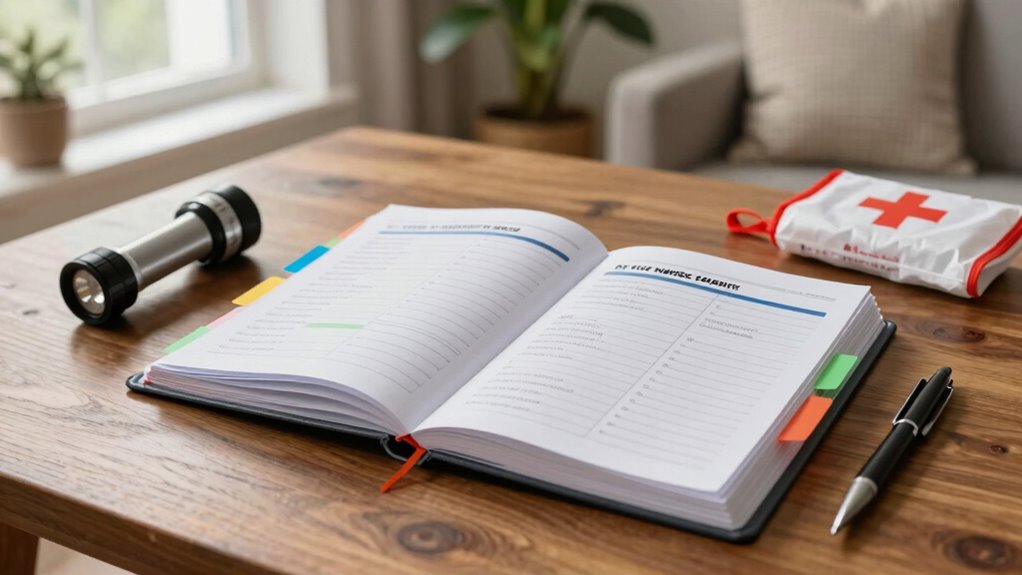

Start by gathering all essential documents like IDs, insurance policies, and medical info, then organize them in a waterproof folder. Create clear evacuation plans with multiple routes and practice them regularly to reduce panic. Assemble a well-stocked emergency kit and store it in an easily accessible spot. Include safety procedures, utility shut-off instructions, and important contact info. Keep everything updated and review your plans often. If you want to make your binder truly effective, keep exploring how to prepare better.

Get gifts for the two of you delivered free with Prime
- Fast, free delivery on millions of items
- Prime Video, Amazon Music and more included
- Member-only deals all year
Key Takeaways
- Organize the binder with clearly labeled sections for evacuation plans, emergency contacts, and important documents.
- Include detailed, regularly updated evacuation routes and safety procedures for various emergencies.
- Store physical and digital copies of essential documents and emergency contacts in a designated, accessible spot.
- Incorporate instructions for utility shut-offs, safety features, and emergency response tips.
- Regularly review, practice drills, and update the binder to ensure preparedness and quick accessibility during crises.
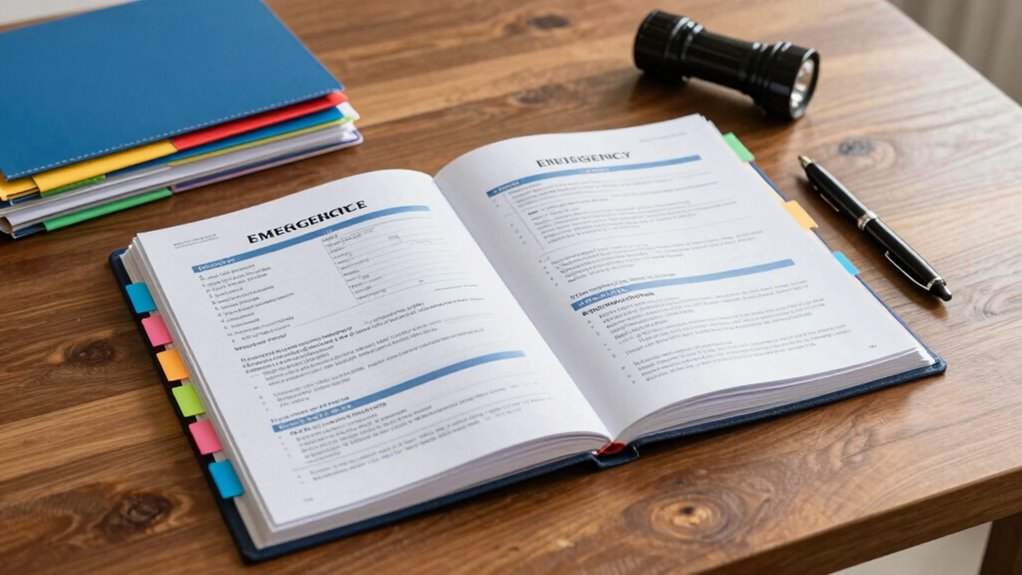
Having a home emergency binder is one of the smartest steps you can take to be prepared for unexpected events. It acts as your central hub of essential information, helping you stay organized and calm during stressful situations. When creating this binder, start by including your evacuation plans. These plans should clearly outline how you and your family will leave your home quickly and safely in various scenarios, whether it’s a fire, flood, or other disaster. Make certain to map out multiple routes from your house, considering alternative paths in case your usual route is blocked. Practice these routes regularly so everyone knows what to do when seconds matter. Having detailed evacuation plans documented within your emergency binder ensures everyone stays on the same page, reducing panic and confusion. Additionally, incorporating disaster preparedness strategies can further strengthen your readiness for unexpected events.
A home emergency binder keeps everyone organized and prepared, reducing panic during unexpected events.
Next, assemble an all-inclusive emergency kit to include inside your binder. Your emergency kit should contain essential supplies like water, non-perishable food, a flashlight, batteries, a first aid kit, and personal hygiene items. Keep copies of important documents—such as birth certificates, passports, insurance policies, and medical records—both physical and digital. These documents are essential if you need to leave your home suddenly or if your belongings are damaged. Incorporating proper storage methods for these documents can help ensure they remain safe and accessible during an emergency. Strengthening your knowledge of biodiversity and conservation can also inspire sustainable practices that minimize environmental risks during disasters. Additionally, include a list of emergency contacts, including local authorities, family members, and friends who can assist or provide support. Having this information easily accessible means you won’t waste critical time searching for phone numbers or addresses during an emergency.
Beyond evacuation plans and your emergency kit, your binder should also hold safety procedures, such as how to shut off utilities like gas, water, and electricity. These instructions are indispensable for preventing further damage or danger if, for example, a gas leak occurs. Keep a list of your home’s key features, such as alarm codes, security system details, and the locations of fire extinguishers or safety exits. It’s also helpful to include a small section with tips on what to do in specific emergencies, like earthquakes or severe weather, so everyone knows how to respond appropriately. Regularly reviewing these safety procedures and updating them as needed can greatly enhance your home’s overall safety.
waterproof emergency document folder
As an affiliate, we earn on qualifying purchases.
As an affiliate, we earn on qualifying purchases.
Frequently Asked Questions
How Often Should I Update My Emergency Binder?
You should update your emergency binder at least once a year, or whenever there’s a major change in your family’s information or plans. Use storage tips like keeping it in a waterproof, easily accessible spot. Regular binder maintenance guarantees all documents stay current and organized. Review contact info, insurance policies, and medical info during your annual update, and add any new emergency procedures or resources to stay prepared.
What Should I Include for Pets in the Binder?
Including pet health records and emergency pet care info in your binder is essential. You should list vaccination records, recent vet visits, medications, and dietary needs. Also, include a recent photo of your pet, emergency contacts, and local pet shelters. This helps you respond quickly during emergencies, ensuring your furry friend gets the care they need. Staying organized can make all the difference in keeping your pet safe and healthy.
How Do I Organize Emergency Contacts Effectively?
To organize emergency contacts effectively, prioritize them by importance—such as family members, doctors, and emergency services—and clearly label each section in your binder. Use binder labeling to distinguish categories like medical, utility, and pet contacts. Keep the most critical contacts at the front or top of each section for quick access. Regularly review and update the contacts, ensuring they remain accurate and easy to find during emergencies.
Should I Store Copies of Important Documents Digitally?
Storing copies of important documents digitally is smart — like having a safety net beneath a tightrope. Digital backups guarantee you can access essential info anytime, anywhere, especially if paper preservation fails during a fire or flood. Keep scanned copies in a secure cloud or encrypted drive, but never rely solely on digital; maintain physical copies as a backup. Combining both safeguards your documents and offers peace of mind.
How Can I Make My Binder Accessible During a Disaster?
To guarantee your binder is accessible during a disaster, store it in a waterproof, portable container you can quickly grab. Keep it in an easily reachable spot, like near your front door or in a designated emergency kit. Regularly update and practice retrieving it to improve disaster preparedness. This way, your essential documents stay protected and accessible, making emergency response smoother and less stressful.
As an affiliate, we earn on qualifying purchases.
Conclusion
Creating a home emergency binder isn’t just about gathering papers; it’s about preparing your family, protecting your home, and peace of mind. It’s about organizing essential information, updating it regularly, and keeping it accessible. It’s about knowing what to do, who to call, and where to find help in a crisis. By taking these steps, you’re not just making a binder—you’re building a safer, more confident home. Be prepared, stay organized, and keep your loved ones safe.
As an affiliate, we earn on qualifying purchases.
As an affiliate, we earn on qualifying purchases.
Halloween Picks
halloween
As an affiliate, we earn on qualifying purchases.