
Starting composting without it taking over your life is simple. Keep a small container in your kitchen for vegetable scraps, coffee grounds, and eggshells, then regularly transfer these to an outdoor bin or pile. Turn or mix the compost occasionally to boost activity and prevent odors. Focus on adding a variety of organic materials and maintaining moisture, and you’ll create healthy compost with minimal effort. Stick with these basic steps to make composting a natural part of your routine.

Get gifts for the two of you delivered free — and shop member deals
- Fast, free delivery on millions of items
- Access to Prime Big Deal Days deals on October 6–7
- Prime Video, Amazon Music and more included
Key Takeaways
- Use simple, ready-made compost bins or containers to minimize setup effort.
- Incorporate composting into daily routines, like discarding scraps during regular kitchen tasks.
- Focus on basic waste types like vegetable peelings and coffee grounds to keep it straightforward.
- Turn or mix compost only occasionally to reduce maintenance and keep it unobtrusive.
- Keep composting discreet by placing bins out of sight and maintaining proper odor control.
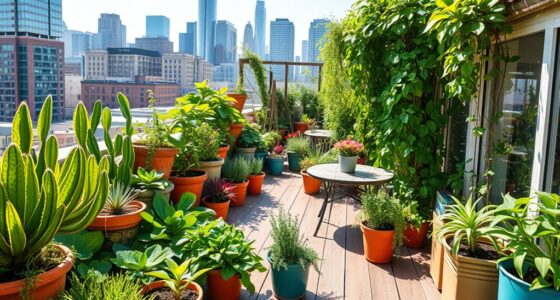
Starting composting is a simple way to reduce waste and create nutrient-rich soil for your garden. It’s an easy step toward more sustainable living, especially if you’re into urban gardening. You don’t need a sprawling backyard or fancy equipment—just a little space, some basic knowledge, and a willingness to turn scraps into something valuable. Composting helps cut down on trash sent to landfills, which is a major contributor to environmental issues. By composting, you’re actively participating in waste reduction, making your everyday habits more eco-friendly without overhauling your entire lifestyle.
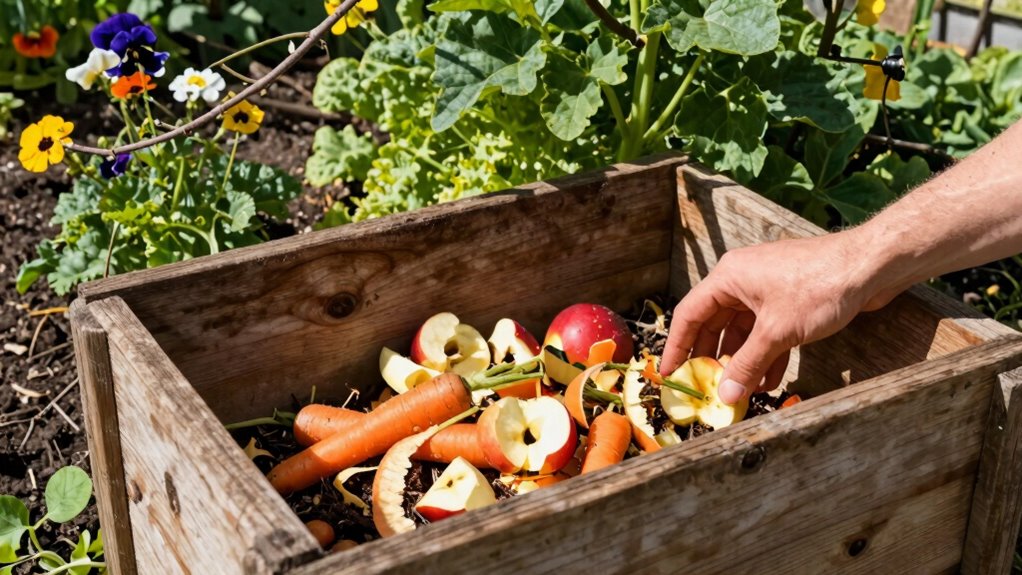
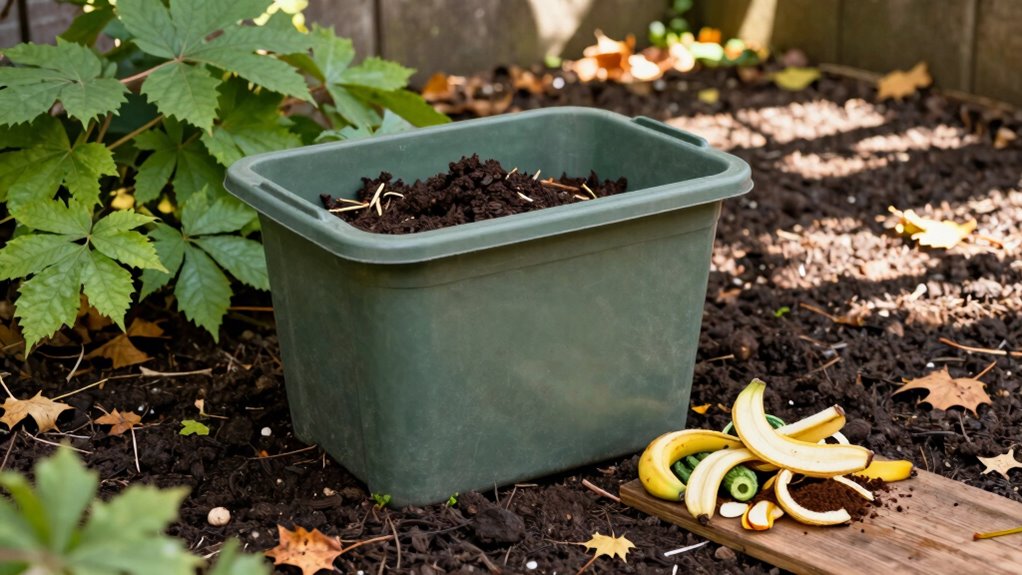
You can start small, even if your living space is limited. Find a corner in your balcony, patio, or even a designated container in your kitchen. The key is to keep it simple—use a bin with holes for airflow, or a traditional compost pile if you have more space. Think about the types of waste you generate daily: vegetable peelings, coffee grounds, eggshells, and yard waste if you have access to it. Avoid adding meat, dairy, or oily foods, as they can attract pests and slow down the composting process. The goal is to create a balanced mix of “greens” (fresh waste like vegetable scraps) and “browns” (dry materials like leaves or paper). This balance speeds up decomposition and prevents odors.
Incorporate composting into your routine without it feeling like a burden. Keep a small container in your kitchen for food scraps, and empty it into your outdoor compost bin once full. Regularly turning or mixing the compost helps aerate it, speeding up the process. Understanding the importance of biodiversity can help you create a healthier, more resilient compost ecosystem that benefits your plants and the environment. Additionally, maintaining proper composting techniques ensures that your compost remains odor-free and efficient, making the process even more accessible for beginners. Using a variety of organic materials can further improve the quality of your compost and support a diverse microbial community. Incorporating composting practices that promote a balanced environment can also help prevent common issues like pests and foul odors, making your composting experience more successful. Being aware of the right moisture levels can also enhance microbial activity and decomposition rates. As you do this, you’ll notice how your waste reduction efforts directly benefit your urban gardening endeavors. The compost you produce can be used to enrich your container plants or balcony garden, closing the loop and making your gardening more sustainable.
small kitchen compost bin with lid
As an affiliate, we earn on qualifying purchases.
As an affiliate, we earn on qualifying purchases.
Frequently Asked Questions
Can I Compost in a Small Apartment?
Yes, you can compost in a small apartment using indoor bins and compact methods. Choose a small, odor-sealed bin to keep your space clean, and place it in a well-ventilated area like your kitchen or balcony. Use compostable kitchen scraps and avoid adding meat or dairy. Turn the compost regularly to speed up decomposition. This way, you minimize clutter while turning waste into valuable compost.
How Often Should I Turn My Compost Pile?
You should turn your compost pile about once a week to keep it active. Proper compost bin placement guarantees good airflow, which helps with moisture management, preventing it from becoming too wet or dry. Turning aerates the pile, redistributes materials, and speeds up decomposition. Monitor moisture levels regularly—if it feels too wet, add dry materials; if too dry, sprinkle water. Regular turning and good placement keep your compost healthy and efficient.
What Are Common Pests Attracted to Compost?
Common pests attracted to compost include flies, rats, and raccoons. To prevent pests, practice pest prevention by avoiding meat, dairy, and oily foods, which can cause composting odors that attract pests. Keep your compost pile covered and maintain proper moisture levels to reduce odors. Turning your compost regularly also helps aerate it, discouraging pests and controlling odors, making your composting experience more effective and pest-free.
Is Composting Safe for Pets?
Composting is generally safe for pets if you’re careful, but it can turn into a disaster zone if you ignore pet safety and compost hazards. Keep pets away from your compost bin, especially if it contains raw food scraps, which attract pests and can cause illness. Avoid adding meat, dairy, or oily foods. Regularly turn and monitor your compost to prevent it from becoming a breeding ground for pests that could harm your furry friends.
How Long Does Composting Usually Take?
Composting typically takes about 3 to 6 months, depending on the composting method and materials used. The composting timeline varies with factors like temperature, moisture, and aeration, which influence the decomposition duration. If you turn the pile regularly and maintain proper moisture levels, you’ll speed up the process. Keep in mind, patience is key—rushing can hinder compost quality, so give nature time to do its work.
outdoor compost bin for urban gardening
As an affiliate, we earn on qualifying purchases.
As an affiliate, we earn on qualifying purchases.
Conclusion
Now that you’ve taken the first step, imagine the quiet transformation happening beneath your fingertips—waste turning into rich soil, life quietly thriving in your backyard. You’ve started composting, but the real magic is just beginning. Each bin, each turn, brings you closer to a sustainable future. Will you let this small act ripple outward, changing more than just your garden? The journey’s just beginning—are you ready to see where it takes you?
airflow compost bin for beginners
As an affiliate, we earn on qualifying purchases.
As an affiliate, we earn on qualifying purchases.
As an affiliate, we earn on qualifying purchases.
Fall Picks
fall essentials
As an affiliate, we earn on qualifying purchases.