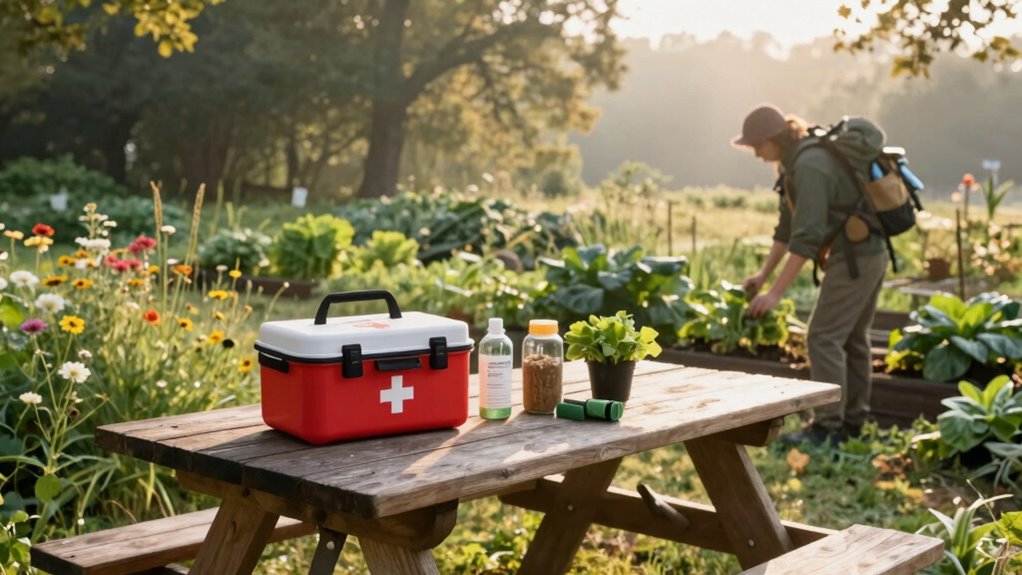

To combine emergency prep and conscious living, focus on integrating sustainable habits into your daily routine, like maintaining an eco-friendly emergency kit, practicing safety drills, and conserving resources. Cultivate mental resilience through mindfulness and positive visualization while building community connections for better coordination. Recognize how your actions affect the environment and society, making responsible choices that support both safety and sustainability. Keep exploring ways to deepen this holistic approach for a more prepared and conscious life.
Key Takeaways
- Integrate sustainable habits like resource conservation and waste reduction into your emergency preparedness routines.
- Regularly practice safety drills and mental resilience techniques to build both physical and psychological readiness.
- Choose eco-friendly emergency supplies and maintain a well-stocked, sustainable emergency kit.
- Foster community communication and collaboration to enhance collective resilience and eco-conscious living.
- Live consciously by recognizing the interconnectedness of environmental, mental, and physical preparedness efforts.
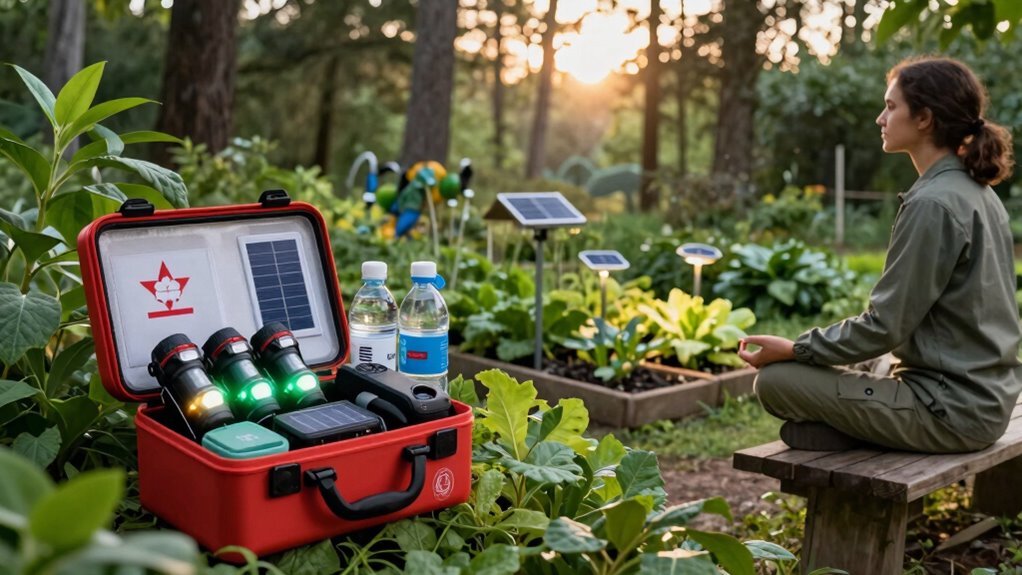
In today’s unpredictable world, being prepared for emergencies isn’t just wise—it’s essential for living consciously and confidently. When you focus on integrating emergency prep into your daily life, you’re not just safeguarding yourself against unexpected events—you’re building a foundation of sustainable habits that support long-term well-being. These habits, like maintaining a well-stocked emergency kit, practicing regular safety drills, and staying informed, become second nature when you prioritize them consistently. This approach ensures that your readiness isn’t a one-time effort but a seamless part of your lifestyle rooted in responsibility and awareness.
At the same time, conscious living encourages you to make choices that respect both your environment and your community. By adopting eco-friendly practices—such as reducing waste, conserving resources, and choosing sustainable products—you align your daily routines with a broader sense of stewardship. These sustainable habits not only lessen your impact on the planet but also prepare you to handle disruptions caused by natural or man-made disasters. For example, growing your own food or composting can help you sustain yourself during shortages or emergencies, reinforcing your resilience in a way that’s mindful of the environment. Recognizing the importance of biodiversity can further enhance your preparedness by supporting ecosystem health and resilience. Developing a resilient mindset is also crucial, as it enables you to adapt effectively and recover quickly from setbacks. Building your mental resilience can be strengthened through practices like mindfulness and meditation, which help you stay centered amidst chaos.
Adopting eco-friendly habits like composting and growing food enhances resilience and supports environmental stewardship during crises.
Mental resilience is a key piece of this puzzle. When you actively develop mental toughness, you’re better equipped to handle stress, adapt to change, and stay calm during crises. This resilience complements your practical emergency preparations, ensuring you don’t panic or become overwhelmed when faced with adversity. Techniques like mindfulness, meditation, and positive visualization help you stay grounded, while cultivating a growth mindset allows you to view challenges as opportunities for learning and strengthening your capabilities. Incorporating adaptive skills into your routine can significantly improve your ability to respond effectively to unforeseen circumstances. Additionally, understanding the role of emergency communication can improve how you coordinate with others during crises, making your response more effective. Over time, these habits foster a sense of confidence that empowers you to face uncertain situations with clarity and calmness.
Combining emergency prep with conscious living is about more than just having supplies or knowing safety procedures; it’s about cultivating a mindset that values sustainability, mental strength, and proactive responsibility. When you make these practices part of your daily rhythm, you not only protect yourself and your loved ones but also contribute to a more resilient, sustainable community. Living consciously means recognizing the interconnectedness of your actions and their impact on the environment and society. By integrating sustainable habits and mental resilience into your emergency preparedness plan, you create a holistic approach that prepares you mentally, physically, and environmentally for whatever challenges lie ahead.
As an affiliate, we earn on qualifying purchases.
Frequently Asked Questions
How Can I Start Integrating Emergency Prep Into Daily Routines?
You can start integrating emergency prep into your daily routines by practicing personal safety measures like quick safety checks and situational awareness. Keep a small emergency kit accessible, and incorporate mental resilience exercises such as mindfulness or stress management practices. Make it a habit to review emergency plans regularly, and stay informed about local risks. This way, you build confidence and preparedness, making safety second nature in your everyday life.
What Are Eco-Friendly Emergency Supplies I Can Use?
Irony hits when you realize eco-friendly emergency supplies aren’t just good for the planet—they’re essential. Opt for supplies with eco-friendly packaging, like biodegradable containers, and include items powered by renewable energy sources, such as solar-powered flashlights or hand-crank radios. These choices keep you prepared while reducing environmental impact. By prioritizing sustainability, you turn an emergency kit into a statement of conscious living—showing you care even in critical moments.
How Does Conscious Living Reduce Emergency Preparedness Costs?
Conscious living reduces emergency preparedness costs through sustainable budgeting and mindful resource management. By prioritizing eco-friendly supplies and reducing waste, you avoid unnecessary expenses. You learn to repurpose items and choose durable, versatile tools, which saves money long-term. This mindful approach guarantees you’re prepared without overspending, making emergency readiness more affordable and aligned with your values. Ultimately, it helps you build resilience while maintaining financial and environmental sustainability.
Can Mindful Practices Improve Crisis Response Skills?
Absolutely, mindful practices act like a steady anchor in turbulent waters, sharpening your crisis response skills. When you manage stress effectively and build emotional resilience, you’re better equipped to stay calm and make clear decisions during emergencies. This mental clarity is your superpower, transforming chaos into manageable moments. By cultivating mindfulness, you train your mind to respond instead of react, turning crisis moments into opportunities for composed, effective action.
What Community Resources Support Both Preparedness and Sustainability?
Community gardens and local workshops support both preparedness and sustainability by teaching you essential skills and fostering resourcefulness. Community gardens provide access to fresh food and promote self-sufficiency, while workshops cover topics like emergency preparedness, composting, and renewable energy. Participating in these resources helps you build resilience, connect with neighbors, and live more consciously, ensuring you’re better prepared for emergencies while reducing your environmental footprint.
As an affiliate, we earn on qualifying purchases.
Conclusion
By weaving emergency prep into your conscious living, you create a safety net that’s as reliable as your own heartbeat. Think of it as planting seeds today for a resilient garden tomorrow—each mindful step strengthens your foundation. When you stay prepared and aware, you’re building a life that flows with calm assurance, even in stormy weather. Embrace this harmony, and watch your peace of mind blossom like a resilient, thriving tree in the face of any storm.
mental resilience meditation tools
As an affiliate, we earn on qualifying purchases.
As an affiliate, we earn on qualifying purchases.
community emergency communication devices
As an affiliate, we earn on qualifying purchases.
As an affiliate, we earn on qualifying purchases.