

Taking care of your pet’s dental health is more important than you might think since neglected teeth can lead to serious problems like infections, tooth loss, and even organ damage. Bacteria from gum disease can enter the bloodstream, affecting essential organs such as the heart and kidneys. Regular brushing, dental treats, and vet checkups prevent pain and save you money in the long run. Keep going to discover simple ways to protect your pet’s health and happiness.
Key Takeaways
- Poor dental health can lead to systemic infections affecting vital organs like the heart, liver, and kidneys.
- Regular dental care prevents painful conditions, tooth loss, and costly veterinary treatments.
- Bacteria from infected gums can enter the bloodstream, compromising overall health.
- Dental issues often show signs like bad breath or swollen gums, indicating underlying health risks.
- Good oral hygiene supports your pet’s immune system, longevity, and overall quality of life.
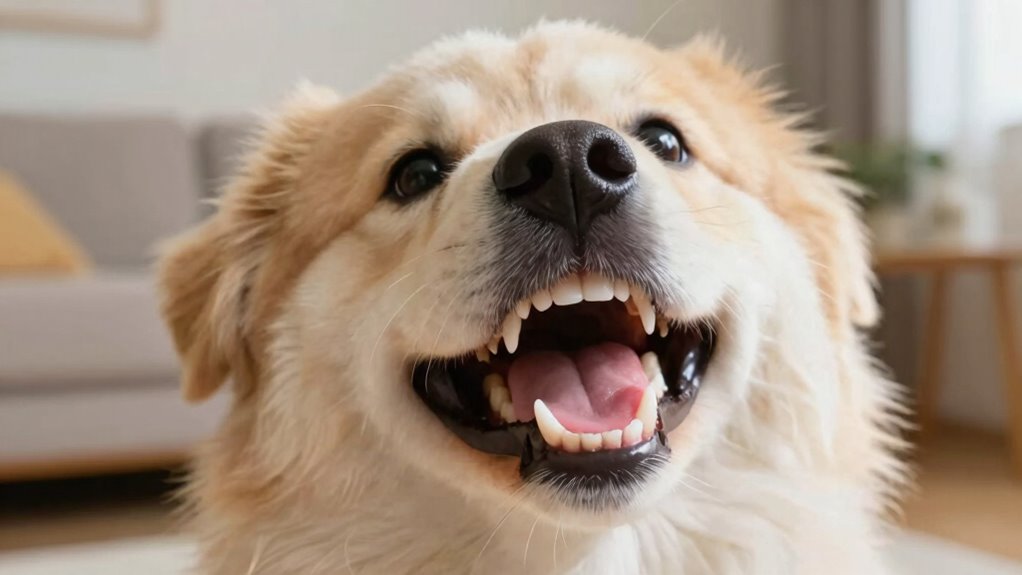
Do you know that maintaining your pet’s dental health is just as important as feeding them a good diet? Many pet owners overlook the significance of oral hygiene, but neglecting it can lead to serious health problems down the line. Dental health isn’t just about fresh breath; it’s a vital part of your pet’s overall well-being. Poor oral hygiene can cause plaque buildup, leading to gum disease and tooth loss. More importantly, bacteria from infected gums can enter the bloodstream, potentially affecting vital organs like the heart, liver, and kidneys. That’s why regular dental care should be a top priority.
Maintaining your pet’s dental health is essential for their overall well-being and longevity.
You might think that brushing your pet’s teeth is a hassle or unnecessary, but it’s one of the most effective ways to prevent dental issues. Daily brushing helps remove plaque before it hardens into tartar, which can only be professionally cleaned. Use toothpaste formulated specifically for pets, as human toothpaste can be toxic to animals. Incorporate dental treats or toys designed to promote oral hygiene, which can help reduce plaque and keep teeth cleaner between brushings. Routine dental checkups with your veterinarian are equally important—they can identify early signs of dental problems before they become painful or costly to treat. Regular dental exams are essential for maintaining your pet’s health and preventing the progression of dental disease.
Neglecting your pet’s oral hygiene can also have behavioral consequences. Dental pain can cause your pet to become irritable or less active, affecting their quality of life. Bad breath isn’t just unpleasant—it’s often a sign of underlying dental disease. If you notice persistent bad breath, swollen gums, or difficulty eating, it’s time to schedule a dental exam. Early intervention can prevent the progression of dental disease and minimize discomfort for your pet. Additionally, understanding the connection between dental health and systemic health highlights how oral care impacts overall vitality and longevity. Recognizing these links emphasizes the importance of a comprehensive approach to pet health, which includes preventive dental care. The bacterial buildup in the mouth can also lead to more severe infections if left untreated, underscoring the need for diligent care.
Good dental health is a reflection of overall health. Maintaining a consistent oral hygiene routine not only preserves your pet’s teeth but also supports their immune system and general vitality. The connection between dental health and overall health means you’re doing more than just cleaning teeth; you’re shielding your pet from potentially life-threatening conditions. Regular dental care also contributes to biodiversity by promoting healthier animals that are less prone to disease. Remember, pets can’t tell you when they’re in pain, so it’s up to you to stay proactive. Regular dental care is a simple yet powerful step you can take to give your furry friend a healthier, happier life. Your commitment to their oral hygiene will pay off in years of wagging tails, purring, and shared companionship.
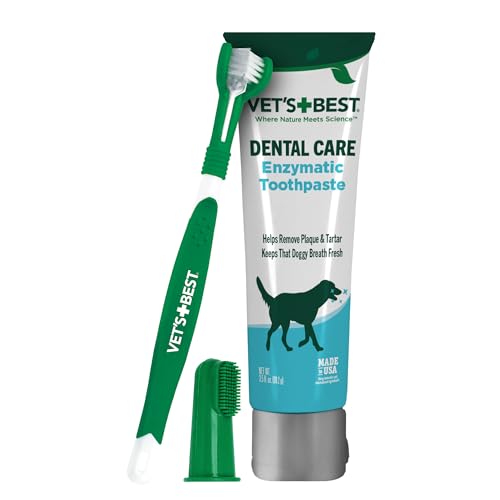
Vet's Best Dog Toothpaste & Dog Toothbrush, Dental Kit, Plaque Remover for Teeth, Whitens Teeth, Freshens Canine Breath, Veterinarian Formula, Finger Toothbrush Included
DOG TOOTH BRUSHING KIT: Keep your dog's teeth and gums healthy with our dog toothbrush and toothpaste kit;…
As an affiliate, we earn on qualifying purchases.
As an affiliate, we earn on qualifying purchases.
Frequently Asked Questions
How Often Should I Schedule Dental Check-Ups for My Pet?
You should schedule dental check-ups for your pet every six to twelve months. Regular visits help catch issues early and maintain oral health. During check-ups, your vet may recommend diet considerations and introduce oral hygiene tools like toothbrushes or dental treats. Consistent dental care keeps your pet comfortable, prevents infections, and supports overall health. Don’t forget to incorporate daily brushing and proper diet to complement professional cleanings.
Are There Specific Toys That Help Clean My Pet’s Teeth?
Think of your pet’s teeth as treasures you’re protecting. Yes, certain pet chew toys and dental floss toys are designed to help clean teeth as your pet gnaws and plays. These toys reduce plaque and massage gums, making dental care fun and effective. Look for durable, safe options labeled for dental health, and incorporate them into your pet’s routine to keep their smile bright and healthy.
Can Bad Breath Be a Sign of a Serious Health Issue?
Yes, bad breath can be a sign of a serious health issue. Halitosis indicators like persistent foul odor often signal oral health symptoms such as gum disease or infection. If your pet’s breath remains unpleasant despite regular brushing, it’s vital to consult your vet. Ignoring these signs might lead to more serious health problems, so staying attentive to oral health symptoms helps catch issues early and guarantees your pet’s overall well-being.
Is Anesthesia Necessary for Professional Dental Cleanings?
Anesthesia isn’t always necessary for professional pet dental cleanings, but it’s often recommended because it allows your vet to thoroughly clean every tooth without causing stress or discomfort. Skipping anesthesia might seem appealing, but it risks incomplete cleaning and potential health issues. While there are alternative cleaning options, they usually don’t provide the same level of safety and effectiveness, especially when considering anesthesia risks versus the benefits of all-encompassing dental care.
What Are the Signs of Dental Disease in Pets?
You’ll notice signs of dental disease in your pet through tooth sensitivity, which causes discomfort when eating or drinking. Watch for bad breath and plaque buildup, especially along the gum line. Your pet might also paw at their mouth or have difficulty chewing. If these signs appear, it’s essential to see your veterinarian promptly, as early detection and treatment can prevent more serious issues and improve your pet’s overall health.
Vet's Best Dog Toothpaste & Dog Toothbrush, Dental Kit, Plaque Remover for Teeth, Whitens Teeth, Freshens Canine Breath, Veterinarian Formula, Finger Toothbrush Included
DOG TOOTH BRUSHING KIT: Keep your dog's teeth and gums healthy with our dog toothbrush and toothpaste kit;…
As an affiliate, we earn on qualifying purchases.
As an affiliate, we earn on qualifying purchases.
Conclusion
Taking care of your pet’s dental health isn’t just about fresh breath—it’s about preventing serious health issues. Some believe that poor dental hygiene can lead to heart disease and other systemic problems. While research continues, the link between oral health and overall wellness is clear. By regularly brushing and scheduling checkups, you’re not only protecting their teeth but also ensuring a happier, healthier life for your furry friend. Don’t wait—your pet’s health depends on it.

Greenies Cat Treats, Feline Veterinarian-Recommended Adult Natural Dental Cat Treats, Oven Roasted Chicken Flavor, 9.75 oz. Tub
#1 Veterinarian-Recommended Treat for Cat Dental Care: Feline Greenies Dental Treats for cats are the #1 veterinarian-recommended dental…
As an affiliate, we earn on qualifying purchases.
As an affiliate, we earn on qualifying purchases.

Native Pet Clean Breath Dog Dental Care – Teeth Cleaning for Fresh Breath, Clean Teeth & Healthy Gums – Tartar and Plaque Remover – Dog Breath Freshener – 60 Scoops
Supports Fresh Breath from the Inside Out: Rather than surface-level freshening, this dental powder for dogs takes a…
As an affiliate, we earn on qualifying purchases.
As an affiliate, we earn on qualifying purchases.