

Emotional check-ins work better than waiting to break down because they keep you aware of your feelings before they become overwhelming. By regularly tuning in, you prevent bottled-up emotions that can lead to sudden outbursts or breakdowns. These check-ins help you better understand and regulate your emotions, reducing stress and building trust in your relationships. Staying proactive keeps your mental health strong and stable—stay with us to discover more on how these simple acts make a big difference.
Key Takeaways
- Emotional check-ins promote early awareness, preventing feelings from becoming overwhelming or unmanageable.
- Regular check-ins foster vulnerability and trust, making it easier to address issues before they escalate.
- They enhance emotional regulation skills, reducing the risk of sudden emotional breakdowns.
- Check-ins help identify small stressors early, allowing timely intervention and reducing long-term mental health risks.
- Consistent emotional awareness builds resilience and stability, decreasing the likelihood of emotional crises.

In today’s fast-paced world, taking a moment to assess your emotions can make a significant difference in your overall well-being. When you regularly check in with yourself, you’re not just managing feelings—you’re actively developing vulnerability, which fosters deeper connections with others. Vulnerability development isn’t about showing weakness; it’s about being honest with yourself and sharing that honesty in your relationships. By recognizing your emotions early, you create a foundation for more authentic communication. Instead of letting stress or frustration build up unnoticed, you acknowledge what you’re feeling, which can prevent emotional outbursts or breakdowns later on.
Emotional check-ins work better than waiting until things become overwhelming because they promote proactive self-awareness. When you pause to reflect on your feelings, you’re practicing emotional regulation, which enhances your ability to respond thoughtfully rather than react impulsively. This habit makes it easier to express your needs and boundaries clearly, leading to better communication enhancement within your relationships. As you become more comfortable with vulnerability, you’re also teaching others that honesty about feelings is safe and valued. Over time, this openness encourages mutual trust and understanding, making your interactions more genuine and less strained. Developing emotional intelligence through regular check-ins can further improve your ability to navigate complex feelings and social dynamics.
Waiting until you’re about to break down often results in a cascade of negative emotions that can be harder to manage. When you ignore your emotional cues, you risk bottling up feelings until they explode, damaging your mental health and your relationships. In contrast, emotional check-ins serve as a preventative measure. They allow you to catch small discomforts or stressors early, giving you the chance to address them before they escalate. This early intervention reduces anxiety and helps you feel more in control of your emotional landscape. Recognizing and practicing emotional regulation through regular check-ins can also support long-term mental health resilience. Cultivating this habit can lead to a greater sense of self-awareness that benefits your overall well-being. Developing mindfulness during these moments can further deepen your understanding of your emotional states and improve your response strategies. Additionally, consistent emotional awareness can foster a sense of emotional stability, helping you navigate challenges with greater confidence.
As an affiliate, we earn on qualifying purchases.
Frequently Asked Questions
How Often Should Emotional Check-Ins Be Performed?
You should aim for emotional check-ins weekly or bi-weekly, depending on your needs. Frequency planning is key—you want regular, consistent emotional timing to stay connected and aware. By scheduling these check-ins, you prevent emotions from building up and becoming overwhelming. Adjust the frequency as needed; some situations may require more frequent check-ins, especially during stressful times, to maintain emotional health and strengthen your relationships.
Can Emotional Check-Ins Improve Long-Term Mental Health?
Emotional check-ins can profoundly improve your long-term mental health, acting like a superpower that boosts your emotional awareness and mental resilience. By regularly tuning into your feelings, you prevent small issues from snowballing into crises. This proactive approach helps you understand yourself better, build resilience, and stay emotionally balanced. Over time, these check-ins create a foundation for stronger mental health, making you more prepared to handle life’s challenges confidently.
Are Emotional Check-Ins Suitable for Children?
Yes, emotional check-ins are suitable for children because they foster childhood resilience and emotional literacy. When you regularly engage with kids about their feelings, you help them understand and manage emotions early on. This proactive approach builds their confidence, reduces stress, and encourages healthy communication. By nurturing emotional awareness now, you set the foundation for stronger mental health and better coping skills as they grow.
What Are Common Barriers to Regular Emotional Check-Ins?
Common barriers to regular emotional check-ins include difficulty fostering emotional awareness and vulnerability development. You might struggle to recognize your feelings or feel uncomfortable sharing them, which hampers honest conversations. Time constraints or fear of judgment can also prevent you from engaging fully. Overcoming these barriers requires patience and practice, helping you become more comfortable with vulnerability and building emotional awareness, which ultimately strengthens your relationships.
How Do Emotional Check-Ins Differ From Therapy Sessions?
Think of emotional check-ins as quick, informal conversations that boost your emotional awareness and communication skills—like a friendly pit stop for your mental health. Unlike therapy sessions, they’re brief, spontaneous, and focused on regular updates rather than deep analysis. This keeps you connected to your feelings, preventing overload. You actively share and listen, nurturing healthier relationships and self-awareness without the formality or time commitment of traditional therapy.
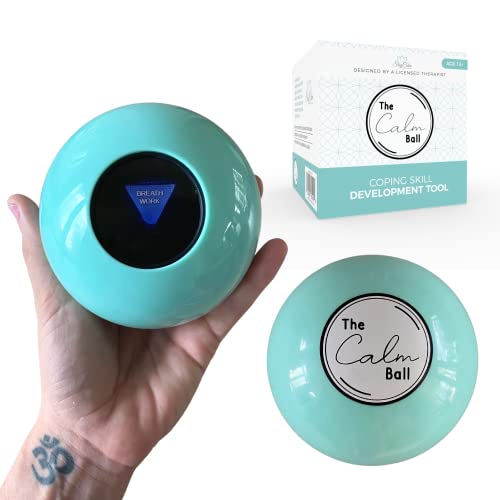
The Calm Ball – Therapist-Designed Coping Skills Ball with Guidebook
- Interactive Therapist-Designed Ball: Supports emotional regulation and coping skills
- Reveal Read Regulate System: Flip-and-reveal learning with guidebook
- 20 Coping Strategies Included: Breathing, journaling, visualization, and more
As an affiliate, we earn on qualifying purchases.
As an affiliate, we earn on qualifying purchases.
Conclusion
By embracing emotional check-ins, you’re transforming your ability to handle stress before it spirals into chaos. Instead of waiting for your feelings to explode like a volcano, you’re gently tending to them, preventing disaster. These small, consistent moments of awareness are like a superpower—saving you from emotional breakdowns that feel as overwhelming as a hurricane. So start today. With each check-in, you’re building resilience, turning your emotional landscape into a calm, steady harbor amid life’s tempestuous seas.
mindfulness meditation for emotional awareness
As an affiliate, we earn on qualifying purchases.
As an affiliate, we earn on qualifying purchases.
self-awareness and emotional intelligence books
As an affiliate, we earn on qualifying purchases.
As an affiliate, we earn on qualifying purchases.