To improve your bedroom’s air quality, consider using a HEPA air purifier to remove dust, pet dander, mold spores, and bacteria, which can disrupt sleep and cause health issues. Maintain a humidity level around 40-50% to prevent mold and dryness. Guarantee good ventilation and incorporate indoor plants for natural purification. These simple steps can boost your sleep quality and energy. Keep going to discover more ways to create a healthier, more invigorating sleep environment.
Key Takeaways
- Use a HEPA air purifier to remove airborne allergens and pollutants, improving breathing and sleep quality.
- Maintain indoor humidity levels between 40-50% to prevent mold growth and nasal dryness.
- Ensure proper ventilation and air circulation to reduce indoor pollutant buildup.
- Incorporate indoor plants as natural air purifiers to support healthier breathing environments.
- Regularly clean bedding, carpets, and pet areas to minimize dust, pet dander, and mold spores.
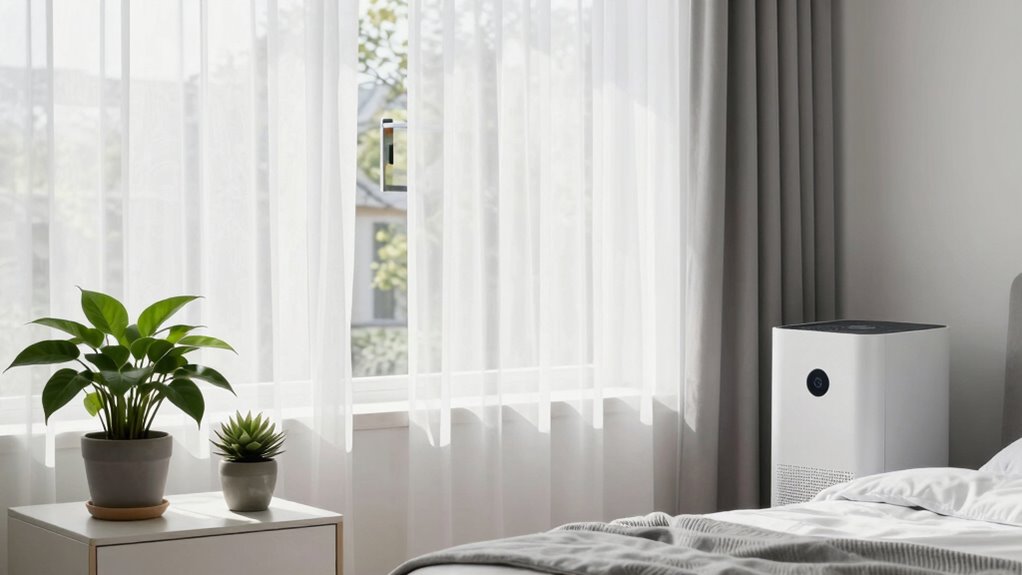
Have you ever wondered how the air in your bedroom affects your sleep and overall health? The quality of the air you breathe can markedly impact how well you rest and how energized you feel during the day. Poor air quality often goes unnoticed, but it can lead to allergy symptoms, respiratory issues, and even disrupt your sleep cycle. Luckily, there are simple yet effective solutions you can implement to improve your bedroom’s air quality, starting with air purifiers and humidity control.
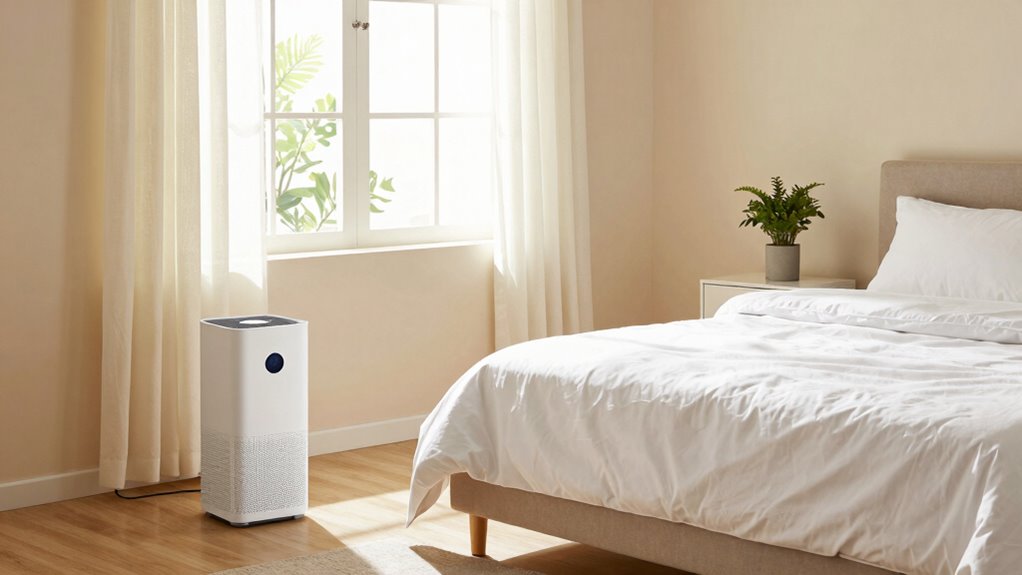
Air purifiers are an excellent tool to clear out airborne pollutants like dust, pet dander, mold spores, and airborne bacteria. They work by filtering the air continuously, ensuring that what you breathe is cleaner and healthier. When choosing an air purifier, look for one with a HEPA filter, as it captures tiny particles that often trigger allergies and asthma. Running an air purifier in your bedroom can reduce irritants that cause congestion or coughing during the night, helping you breathe easier and sleep more soundly. It’s especially beneficial if you have pets or live in an area with high pollution levels, as these devices can make a noticeable difference in indoor air quality.
Air purifiers with HEPA filters improve sleep by removing dust, pet dander, and airborne irritants.
Humidity control is another essential aspect often overlooked in maintaining a healthy sleeping environment. Too much humidity creates a breeding ground for mold, bacteria, and dust mites, all of which can worsen allergy symptoms and respiratory issues. Conversely, too little humidity can dry out your nasal passages, throat, and skin, making you more prone to irritation and discomfort. Using a humidifier or dehumidifier allows you to keep humidity levels in the ideal range—around 40% to 50%. This balance helps prevent mold growth while maintaining comfortable moisture levels that keep your respiratory system functioning at its best. When the air is properly humidified, you’re less likely to wake up with a sore throat or stuffy nose, and your sleep quality improves. Proper indoor air quality management can significantly enhance your overall health and comfort during sleep. Additionally, maintaining good ventilation in your bedroom can further reduce indoor pollutants and refresh the air regularly. Ensuring proper air circulation is also vital for dispersing pollutants and maintaining a fresh environment. Incorporating biodiversity-friendly practices, such as using natural air purifiers like indoor plants, can further support a healthy breathing space. Improving air quality with these measures can even help reduce symptoms for those with sensitivities and allergies, creating a healthier space to rest.
As an affiliate, we earn on qualifying purchases.
Frequently Asked Questions
How Often Should I Change My Bedroom Air Filters?
You should change your bedroom air filters every 30 to 60 days, depending on the air filter lifespan and dust accumulation. Regularly replacing filters prevents dust buildup and guarantees cleaner air. If you have pets or allergies, consider changing filters more frequently, around every 30 days. Checking your filters monthly helps you stay on top of dust accumulation, maintaining better air quality and a healthier sleeping environment.
Can Houseplants Really Improve Bedroom Air Quality?
Yes, houseplants can dramatically transform your bedroom air quality! Certain plant varieties, like snake plants and pothos, excel at air purification, removing toxins and boosting oxygen levels. Imagine breathing cleaner, fresher air every night—it’s like having a personal air filter right in your room. With regular care, these plants can turn your space into a calming oasis, making you feel more energized and healthier each morning.
What Are Natural Ways to Reduce Indoor Allergens?
To reduce indoor allergens naturally, start by identifying allergen sources like dust, pet dander, and mold, then minimize them. Use natural remedies such as regularly washing bedding, keeping pets out of the bedroom, and using natural air purifiers like activated charcoal or houseplants. Ventilate your room daily to decrease humidity and mold growth. These simple steps can substantially improve your indoor air quality and help you breathe easier.
Does Sleeping With Windows Open Improve Air Quality?
Sleeping with windows open can improve air quality by increasing ventilation benefits, which helps reduce indoor pollutants and freshen the air. However, guarantee proper window maintenance to prevent drafts, pests, or outdoor allergens from entering. Regularly clean window screens and check seals. This natural airflow can make your bedroom feel fresher, helping you breathe easier and potentially improving sleep quality. Just be mindful of outdoor air quality and weather conditions.
Are Air Purifiers Safe for Nighttime Use?
Air purifiers are generally safe for nighttime use, but you might have some concerns about air purifier safety during extended periods. Rest assured, most modern models are designed with safety features, making them suitable for overnight operation. Just confirm your device has proper certifications, and keep it away from moisture or flammable materials. This way, you can enjoy cleaner air while sleeping without worry, waking up refreshed and breathing easier.
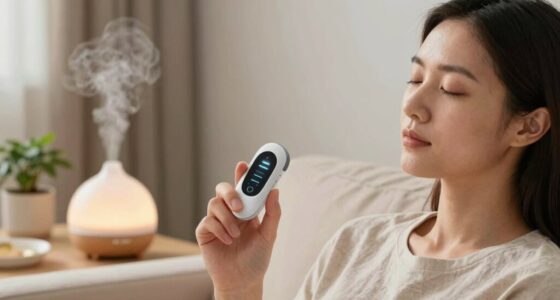
humidifier for optimal humidity 40-50%
As an affiliate, we earn on qualifying purchases.
As an affiliate, we earn on qualifying purchases.
Conclusion
Improving your bedroom air quality can genuinely boost how you feel each day. While some believe air purifiers are the ultimate solution, others think natural methods like regular ventilation and houseplants do the trick. The truth is, combining these approaches often yields the best results. So, don’t just rely on one fix—test different methods and see what makes you breathe easier and sleep better. Your improved well-being is worth the small effort.
As an affiliate, we earn on qualifying purchases.
As an affiliate, we earn on qualifying purchases.