
TL;DR
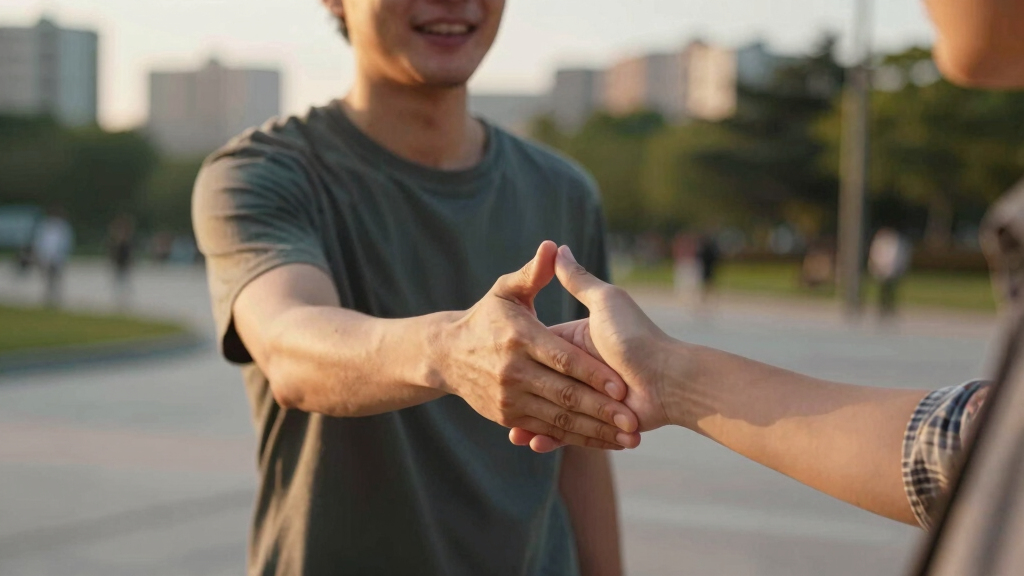
The handshake remains the dominant greeting in America, despite health concerns and cultural shifts. Alternatives like fist bumps are gaining popularity but have yet to replace it entirely. The future of greetings in the U.S. remains uncertain.
Despite persistent debates and the impact of health concerns, the handshake continues to be the predominant greeting in America, with no clear sign of it being replaced entirely.
Historically, the handshake has been a symbol of respect and trust in American culture, remaining largely unchanged since the late 19th century. The COVID-19 pandemic briefly challenged its dominance, with health officials like Anthony Fauci advising Americans to avoid physical contact in 2020. Although many adhered to these guidelines temporarily, the handshake quickly regained popularity once restrictions eased.
Recent observations indicate that while alternatives such as fist bumps and elbow taps are increasingly common, they have not supplanted the handshake as the standard greeting. Cultural resistance, social expectations, and the ingrained nature of the gesture contribute to its persistence. Experts note that the handshake’s role in establishing respect and rapport makes it difficult to replace entirely, despite some questioning its appropriateness in certain contexts.
Why It Matters
This development matters because the handshake is deeply embedded in American social and professional interactions. Its continued dominance affects everything from business negotiations to diplomatic encounters. The persistence of traditional greetings also reflects broader societal values around civility, trust, and social cohesion, making any shift potentially impactful on American culture.
handshake replacement greeting products
As an affiliate, we earn on qualifying purchases.
As an affiliate, we earn on qualifying purchases.
Background
The handshake’s origins date back centuries, and it has historically served as a symbol of peace and mutual respect. The COVID-19 pandemic temporarily disrupted its use, prompting discussions about alternative greetings. While some experts predicted the decline of the handshake, it has largely persisted, with cultural and social norms reinforcing its place. The debate over its future continues amid evolving attitudes toward health and personal space.
“We should consider avoiding handshakes to prevent the spread of infectious diseases.”
— Anthony Fauci
“The fist bump satisfies our desire for physical contact without the intimacy of a handshake.”
— James Hamblin
fist bump hand sanitizer dispenser
As an affiliate, we earn on qualifying purchases.
As an affiliate, we earn on qualifying purchases.
What Remains Unclear
It remains unclear whether the handshake will eventually decline significantly or if it will adapt to new social norms. The cultural resistance to change and the importance placed on traditional etiquette mean its future is uncertain. Additionally, the acceptability of alternatives in formal or serious settings is still being debated.
As an affiliate, we earn on qualifying purchases.
What’s Next
Experts anticipate ongoing discussions about social greetings, with potential shifts toward more widespread acceptance of alternatives like fist bumps or other gestures. Observations of changing behaviors in professional and social settings in 2026 will help gauge whether the handshake’s dominance is waning.
social distancing greeting accessories
As an affiliate, we earn on qualifying purchases.
As an affiliate, we earn on qualifying purchases.
Key Questions
Will the handshake completely disappear in America?
It is not yet clear. While alternatives are gaining popularity, the handshake remains deeply ingrained in American culture, and its complete disappearance is uncertain.
Are there any formal settings where the handshake is still preferred?
Yes, in many professional, diplomatic, and ceremonial contexts, the handshake continues to be the standard greeting, though some are experimenting with alternatives.
Could health concerns permanently change greeting customs?
Health concerns, such as those raised during the COVID-19 pandemic, have prompted temporary changes. Whether these will lead to permanent shifts remains to be seen.
What are some popular alternatives to handshakes?
Fist bumps, elbow taps, and head nods are among the most common alternatives, though none have fully replaced the handshake in all contexts.
Source: The Atlantic