

TL;DR
Many yoga and wellness practitioners frequently use the phrase ‘nervous system regulation,’ but this overuse can oversimplify emotional processes. This article examines why this matters and what it reveals about current wellness culture.
Yoga practitioners and wellness influencers are increasingly using the phrase “nervous system regulation” to describe emotional and physical balance, but critics argue this overuse oversimplifies complex emotional states and can create unrealistic expectations.
The phrase “nervous system regulation” has become a common term in yoga, breathwork, and wellness communities, often used to suggest that practices like yoga can lead to a lasting state of calm. A recent article in Yoga Journal highlights that while scientific research supports the idea that yoga and breathwork can help manage stress, the widespread use of this phrase risks promoting a superficial understanding of emotional health.
The article points out that equating nervous system regulation with constant calmness can alienate individuals experiencing intense emotions such as rage, grief, or sadness. It emphasizes that a balanced nervous system does not eliminate feelings but allows individuals to process emotions without crisis. The critique also notes that the language of regulation can imply a quick fix—”just do these poses or breaths”—which may hinder genuine emotional work.
Why It Matters
This critique matters because it highlights the potential harm of framing emotional resilience as a quick or superficial fix, which can lead to feelings of inadequacy or self-blame among practitioners. It also raises questions about how wellness language shapes our understanding of mental health and emotional processing, emphasizing the importance of embracing emotional nuance rather than seeking constant calm.
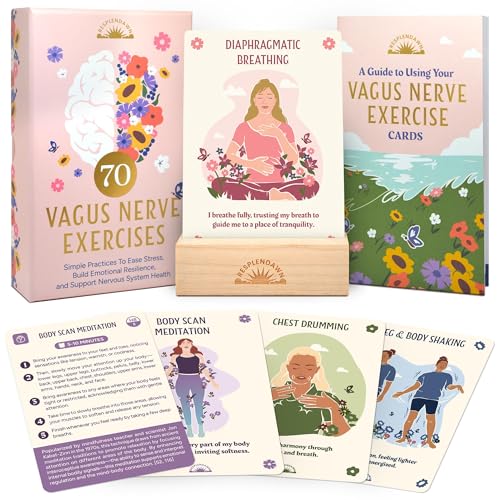
70 Vagus Nerve Exercises – Cards for Nervous System Regulation – Polyvagal Theory Techniques to Reduce Stress & Anxiety on 3.5" x 5" Cards – Breathwork, Mindfulness, Movement & Sensory Exercises
[Relieve Stress and Restore Balance] – Find relief through 70 research-based practices that activate the vagus nerve, helping…
As an affiliate, we earn on qualifying purchases.
As an affiliate, we earn on qualifying purchases.
Background
Over the past decade, the wellness industry has increasingly adopted scientific-sounding language, including the term “nervous system regulation,” to promote yoga, breathwork, and other self-care practices. While these practices have documented benefits, critics warn that the language can sometimes oversimplify complex emotional experiences and inadvertently promote a one-size-fits-all approach to mental health.
The recent article in Yoga Journal reflects a broader cultural conversation about the limits of wellness rhetoric and the importance of acknowledging emotional complexity in healing practices.
“When we equate regulation with constantly being calm, and tout that as somehow the ‘goal’ of yoga, we’re alienating the nuanced emotional experiences of everyone who steps onto their mats.”
— author of the Yoga Journal article
“Having a balanced nervous system does not mean that one no longer feels activated. It means being able to move through those emotions without each of them being a crisis of its own.”
— yoga practitioner quoted in the article
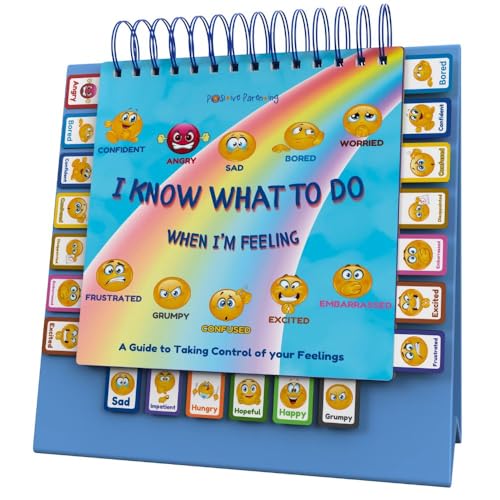
Thought-Spot I Know What to Do Flipbook | Emotions Wheel & Feelings Chart | Emotional Regulation Tool for Home, Class, or Calm Down Corner | Helps Kids Learn Coping Skills | Autism Must-Have
Understand & Express Everyday Feelings: Visually guides children ages 3–5 to recognize and name their emotions. This flipbook…
As an affiliate, we earn on qualifying purchases.
As an affiliate, we earn on qualifying purchases.
What Remains Unclear
It remains unclear how widespread the overuse of the phrase is across different wellness communities or how practitioners are responding to this critique. Additionally, the long-term impact of framing emotional health around this language is still developing.

Mindsight 'Original Breathing Buddha' Guided Visual Meditation | 3 Modes to Slow Your Breathing & Calm Your Mind | Stress & Anxiety Relief | Wellness Gift | Adults, Kids, Classrooms | USB Rechargeable
🧠 WHAT IT'S FOR: Daily guided breathing to help calm & focus your mind during the day or…
As an affiliate, we earn on qualifying purchases.
As an affiliate, we earn on qualifying purchases.
What’s Next
Experts suggest ongoing conversations about language in wellness practices and further research into how terminology influences emotional health. Future discussions may focus on promoting more nuanced approaches to emotional regulation in yoga and self-care communities.

Herb Pharm Organic Kids Herbal Hug: Nervous System Support with Skullcap, Passionflower, Mullein & Oat Seed | Fast-Absorbing & Alcohol-Free, Kid-Friendly Taste, Extract for Kids, 1 oz*
HERBAL KIDS CALMING SUPPLEMENT & NERVOUS SYSTEM SUPPORT: Herbalist-crafted liquid formula that’s comforting, calming, and gives kids tender…
As an affiliate, we earn on qualifying purchases.
As an affiliate, we earn on qualifying purchases.
Key Questions
Is ‘nervous system regulation’ a scientifically accurate term?
It is based on legitimate scientific concepts related to autonomic nervous system function, but its overuse in popular culture can lead to oversimplification.
Can yoga truly regulate the nervous system?
Research supports that yoga and breathwork can help manage stress and improve emotional resilience, but they do not eliminate all emotional experiences or guarantee constant calm.
Why do some people find the phrase problematic?
Because it can imply that feeling intense emotions is a sign of imbalance or malfunction, which can shame practitioners and overlook the complexity of emotional life.
What should practitioners focus on instead?
Focusing on becoming present and aware of emotions without judgment, recognizing that regulation involves moving through feelings rather than suppressing them.
Source: Yoga Journal