
TL;DR

Get gifts for the two of you delivered free with Prime
- Fast, free delivery on millions of items
- Prime Video, Amazon Music and more included
- Member-only deals all year
Yoga Journal highlights three foundational poses—Mountain, Downward-Facing Dog, and Savasana—that form the basis of effective yoga practice. These shapes help with alignment, strength, and relaxation, influencing both on-mat and everyday well-being.
Yoga Journal has identified three foundational yoga poses—Mountain, Downward-Facing Dog, and Savasana—that are essential for both beginners and experienced practitioners, emphasizing their role in establishing core strength, alignment, and relaxation.
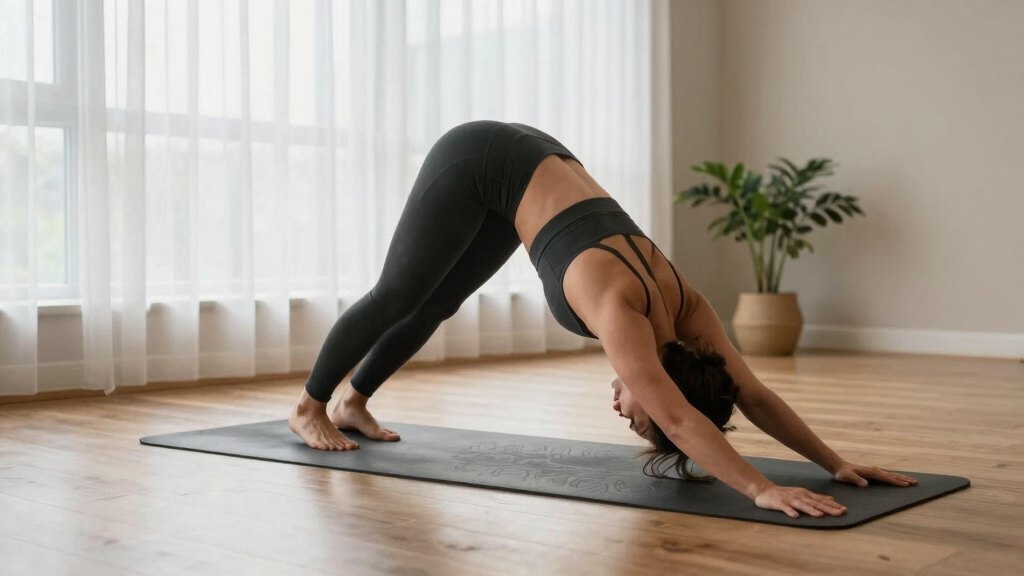
The article explains that despite the vast number of yoga poses—ranging from hundreds to over a thousand—these three shapes serve as the core building blocks of a balanced practice. Mountain Pose (Tadasana) is described as a microcosm of yoga, focusing on alignment, grounding, and breath synchronization, forming a stable foundation for all other postures. Downward-Facing Dog (Adho Mukha Svanasana) is highlighted as a versatile pose that builds strength and flexibility while offering a moment for reset and self-awareness during flows. Savasana, or Corpse Pose, is presented as a crucial pose for integration and mental stillness, often considered the final step in a complete practice. Experts note that these poses are deceptively simple but profoundly impactful, shaping how practitioners move through their day and other postures.
Why It Matters
This focus on foundational poses underscores their importance in developing physical stability, mental clarity, and overall well-being. Understanding and mastering these shapes can improve posture, reduce injury risk, and promote mindfulness beyond the mat. For practitioners, recognizing these core shapes can deepen their practice and enhance daily life by fostering better alignment, strength, and relaxation.
Products Worth Considering

Fitbit Sense 2 Smartwatch – Blue Mist / Pale Gold

Oral-B iO Series 5 Rechargeable Electric Toothbrush with Travel Case, White

Garmin Venu® 3 Premium Fitness Smartwatch 45mm Black
As an affiliate, we earn on qualifying purchases.
Background
While advanced poses like inversions and arm balances often attract attention, yoga experts emphasize that the most effective practice begins with simple, foundational shapes. This perspective aligns with traditional teachings, which prioritize alignment and mindfulness over complexity. The article is part of a broader movement to reframe yoga as accessible and rooted in core principles, especially as the number of poses continues to expand with modern variations.
“Despite the plethora of poses, these three shapes—Mountain, Downward-Facing Dog, and Savasana—are the foundation of a balanced practice.”
— Yoga Journal
“Mastering these foundational poses can greatly influence your posture, strength, and mental clarity both on and off the mat.”
— Yoga expert
What Remains Unclear
It is not yet clear how widespread the recognition of these three poses is among different yoga styles or how practitioners are integrating this knowledge into their routines. Further research may reveal variations in emphasis across traditions.
What’s Next
Next steps include increased educational efforts to highlight these core poses in yoga training programs and practice routines. Experts anticipate more practitioners will focus on mastering these shapes to improve overall health and mindfulness. Additionally, future studies may explore how emphasizing foundational poses impacts long-term practice outcomes.
Key Questions
Why are these three poses considered the most important?
They form the core of most yoga practices, helping with alignment, strength, and relaxation, and influence how practitioners move through other poses and daily activities.
Can beginners benefit from focusing on these poses?
Yes, mastering these foundational shapes provides a strong base for beginners and helps develop proper alignment and mindfulness early in practice.
Are these poses suitable for all yoga styles?
While universally recognized as foundational, the emphasis on these poses may vary across different styles, but their core principles remain relevant.
How do these poses improve overall well-being?
They help improve posture, build strength, reduce tension, and foster mental calmness, contributing to both physical and mental health.