
TL;DR
AI chatbots are increasingly offering personalized nutrition advice, but health experts caution against relying solely on these tools. The development raises questions about accuracy, safety, and the role of professionals.
Health experts are warning that taking nutrition advice exclusively from AI chatbots may be risky, as these tools often lack the nuanced understanding and medical expertise required for personalized dietary guidance.
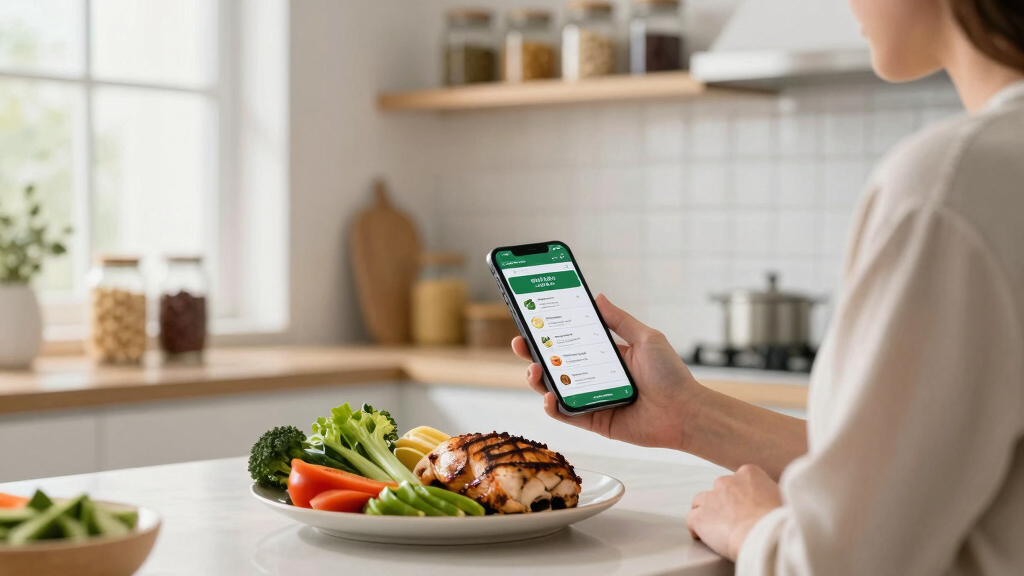
Recent advances in artificial intelligence have led to the proliferation of chatbots that provide dietary and nutrition advice. Companies like ChatHealth and NutriBot offer users tailored suggestions based on input data, promising convenience and accessibility. However, medical professionals caution that these tools are not substitutes for consultation with qualified healthcare providers. Experts highlight that chatbots may misinterpret individual health conditions, dietary restrictions, or complex medical histories, potentially leading to harmful advice. While some users report positive experiences, there is limited oversight or regulation of these AI tools, raising concerns about accuracy and safety. The Food and Drug Administration (FDA) and other regulatory bodies have yet to establish clear guidelines for AI-based health advice, making it uncertain whether these tools are reliable or safe for long-term use.Furthermore, some chatbots have been found to provide inconsistent or incomplete information, especially when users present complex health issues. Researchers emphasize that personalized nutrition should consider medical history, lab results, and ongoing health conditions, which current AI models may not fully incorporate. Despite these concerns, the popularity of AI chatbots continues to grow, driven by demand for immediate, low-cost health advice and increasing digital literacy among consumers.
Why It Matters
This development matters because millions of people are turning to AI chatbots for health guidance, often without consulting healthcare professionals. Relying solely on these tools could lead to poor health outcomes, especially for individuals with chronic conditions or unique nutritional needs. It also raises questions about regulation, accountability, and the role of technology in healthcare. As AI becomes more integrated into daily health management, understanding its limitations is crucial to prevent potential harm and ensure safe use.

WARMKEY Smart Nutrition Food Scale with App – 1g Precision Digital Kitchen Scale, Tracks Calories & 24 Nutrients, Macros, Fat & Protein for Keto, Fitness & Meal Prep, 11lb/5kg with Tare Function
【Smart Nutrition Tracking for Effortless Calorie Control】Track calories, macros, protein, carbs, and fats instantly by simply placing food…
As an affiliate, we earn on qualifying purchases.
As an affiliate, we earn on qualifying purchases.
Background
The rise of AI in healthcare has accelerated over the past few years, with companies developing chatbots that can answer health questions, prescribe medication, or suggest dietary plans. While some chatbots are trained with reputable medical data, they are fundamentally algorithms and lack the clinical judgment of healthcare professionals. This trend coincides with broader debates about the regulation of AI tools and the need for oversight to prevent misinformation. Historically, nutrition advice has been provided by registered dietitians and physicians, emphasizing the importance of personalized care. The current surge in AI-driven guidance reflects both technological progress and consumer demand for quick, accessible health information, but it also exposes vulnerabilities in relying on unregulated digital health tools.
“AI chatbots can be useful for general questions, but they should never replace personalized advice from a qualified health professional.”
— Dr. Susan Lee, registered dietitian
“We are closely monitoring the development of AI health tools and are considering regulations to ensure safety and accuracy.”
— FDA spokesperson

Dietitian Practice Planner: Client Consultation Tracker, Weekly Planner & Goal Setting Notebook: An all-in-one workbook to manage client sessions, … tracking for nutrition professionals.
As an affiliate, we earn on qualifying purchases.
As an affiliate, we earn on qualifying purchases.
What Remains Unclear
It is not yet clear how widespread the use of AI chatbots for nutrition advice will become or how regulatory agencies will address safety concerns. The accuracy and safety of these tools vary, and long-term health impacts remain unstudied.

Dr. Liz Cruz Everyday ENZYMES – Digestion Supplement, Dietary Supplements, Medical-Grade Super Enzymes, Bloating, Gas and Reflux Relief for Women, Men, & Children Non-GMO, 100 Veggie Capsules
Ultimate Digestive Blend – Optimize digestion by helping your body break down solid food into absorbable liquid form….
As an affiliate, we earn on qualifying purchases.
As an affiliate, we earn on qualifying purchases.
What’s Next
Regulatory bodies are expected to issue guidelines or regulations for AI health tools in the coming months. Researchers and healthcare providers will likely conduct further studies to evaluate the safety and efficacy of these chatbots. Consumers are advised to consult healthcare professionals for personalized advice and use AI tools cautiously.

AFIL Food Sensitivity Test kit – 1000+ Foods, Drinks, Vitamins & Gut Health | At-Home Wellness Food Intolerance Test Kits for Adults & Kids – Non-Invasive Wellness Indicator | 1000+ Items Premium
AT-HOME KIT: One small hair sample. 1,000+ everyday items. A fast, non-invasive way to explore possible wellness signals…
As an affiliate, we earn on qualifying purchases.
As an affiliate, we earn on qualifying purchases.
Key Questions
Can I rely on AI chatbots for my nutrition needs?
While AI chatbots can provide general information, they should not replace advice from qualified healthcare professionals, especially for personalized or complex health issues.
Are AI chatbots regulated by health authorities?
Currently, regulation is limited or evolving. Regulatory agencies like the FDA are considering guidelines, but many AI health tools operate without strict oversight.
What risks are associated with using AI for nutrition advice?
Risks include receiving inaccurate, incomplete, or harmful recommendations, especially for individuals with specific health conditions or dietary restrictions.
What should I do if I want personalized nutrition advice?
Consult a registered dietitian or healthcare provider who can consider your medical history and specific needs for tailored guidance.
Source: NYT · Well