
📊 Full opportunity report: Recovery-percentile tracker for orthopedic surgery patients on IdeaNavigator AI — validation score, market gap, and execution plan.

Get gifts for the two of you delivered free with Prime
- Fast, free delivery on millions of items
- Prime Video, Amazon Music and more included
- Member-only deals all year
TL;DR
A prototype recovery-percentile tracker for orthopedic surgery patients is under trial in one practice to help patients assess their recovery and reduce call volume. The tool compares patient data to anonymized recovery curves, aiming to provide objective benchmarks.
A recovery-percentile tracker for orthopedic surgery patients is being tested in a pilot program to help patients assess their recovery progress objectively and reduce unnecessary calls to surgeon offices. The initiative aims to address the rising volume of post-op inquiries and improve patient reassurance through data-backed benchmarks.
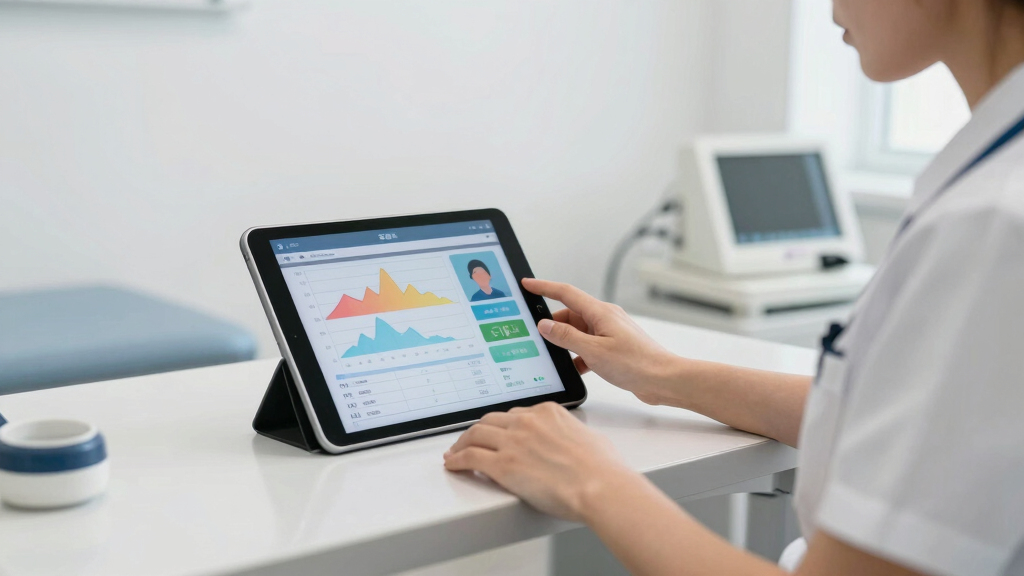
The tracker is designed as a daily check-in tool for patients who have undergone procedures such as knee replacements. Patients log key metrics like pain levels, range of motion, and walking milestones. These data points are then plotted as percentiles against anonymized recovery curves derived from previous cases of the same procedure.
The pilot involves one orthopedic practice recruiting approximately 15 knee-replacement patients to log their recovery data daily over two weeks. The goal is to determine whether this approach reduces the number of ‘is this normal?’ calls compared to a control group without the tracker. The system is offered as a subscription service billed to the surgeon’s office, with the expectation that improved patient reassurance will lower call volume and staff workload.
While the concept is still in testing, initial plans focus on validating the system’s effectiveness in a real-world setting before wider deployment. The project is part of a broader effort to leverage digital health tools to improve post-operative care and patient engagement.
Potential Impact on Post-Operative Care Efficiency
If successful, the recovery-percentile tracker could significantly reduce the volume of post-op patient calls, easing the burden on office staff and improving patient satisfaction. By providing patients with an objective, personalized benchmark, the system aims to decrease anxiety and unnecessary follow-up inquiries, streamlining post-surgical care workflows.
This innovation could also set a precedent for data-driven recovery monitoring across various outpatient procedures, potentially transforming standard post-op protocols and patient engagement strategies in orthopedic practices and beyond.
Products Worth Considering

Withings Sleep Tracking Pad

Hyperice Normatec 3 Leg Compression Boots, Standard Size

Philips Sonicare DiamondClean 9500 Electric Toothbrush, Black, with 3 Brush Heads
As an affiliate, we earn on qualifying purchases.
Growing Need for Post-Op Recovery Monitoring Tools
The rise in outpatient orthopedic surgeries, including minimally invasive procedures, has increased the demand for effective post-operative monitoring solutions. Currently, many patients rely on subjective feelings and generic instructions, leading to high call volumes and staff overloads. Office staff often lack objective benchmarks to reassure patients or decide when escalation is necessary.
This project is among the first to test such a system in a clinical setting, with early results expected to inform broader adoption strategies.
“This recovery-percentile tracker could revolutionize how we monitor post-op patients by providing objective, personalized data that reassures patients and reduces unnecessary calls.”
— an anonymous researcher
Unconfirmed Effectiveness and Scalability
It is not yet confirmed whether the tracker will significantly reduce call volume or improve patient outcomes in the pilot phase. The effectiveness depends on user engagement, data accuracy, and integration with clinical workflows. Broader scalability and long-term impact remain to be demonstrated through ongoing testing and future studies.
Next Steps for Validation and Broader Adoption
The pilot program will run for at least two weeks, with data collection ongoing to assess whether tracked patients place fewer ‘normalcy’ calls. Pending positive results, the developers plan to expand testing to additional practices and procedures, refine the user interface, and evaluate cost-effectiveness. Further research will be needed to confirm long-term benefits and integration strategies before wider rollout.
Key Questions
How does the recovery-percentile tracker work?
Patients log daily metrics such as pain, mobility, and walking milestones, which are then compared to anonymized recovery curves to determine their percentile ranking. This provides an objective measure of recovery progress.
Will this system replace in-person follow-ups?
No, the tracker is designed to supplement existing follow-up protocols by offering data-driven reassurance. It aims to reduce unnecessary calls and visits but does not eliminate the need for clinical assessments.
Is the tracker available for all types of orthopedic surgeries?
Currently, the pilot focuses on knee-replacement procedures. Expansion to other surgeries will depend on pilot results and further development.
What are the costs associated with implementing this tracker?
The system is offered as a per-seat subscription billed to surgeon offices. Exact costs will vary depending on practice size and implementation scope, but the goal is to provide a cost-effective solution to improve post-op care.
Source: IdeaNavigator AI