
TL;DR
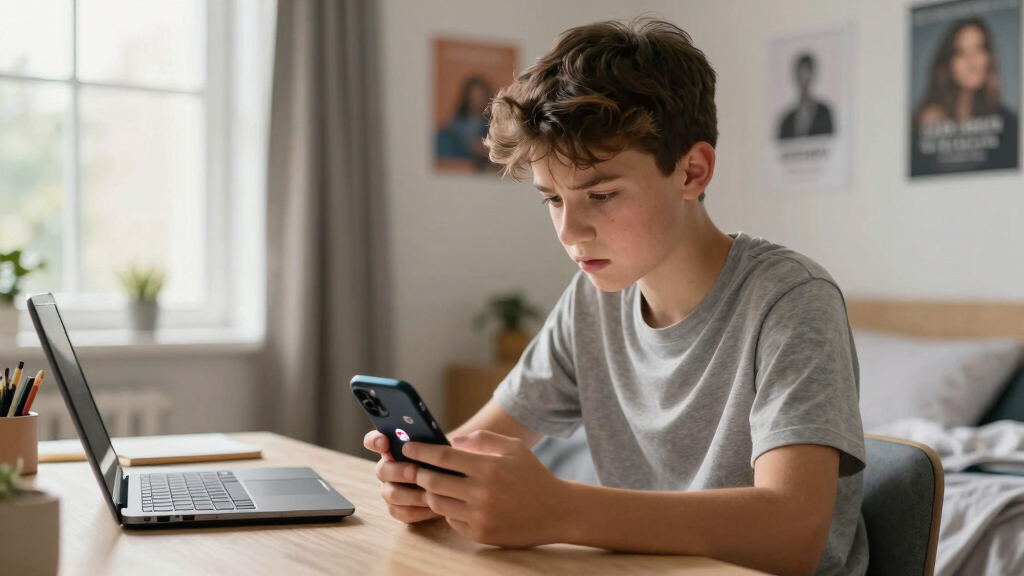
The UK plans to ban children under 16 from major social media platforms, following Australia’s lead. The move aims to reduce online harms and toxic digital environments for minors.
The UK government is set to announce a ban on social media access for children under 16, including restrictions on platforms such as TikTok, Instagram, and YouTube, in an effort to protect minors from online harms. The move follows Australia’s implementation of a similar ban and aims to curb toxic online environments for young people.
Sources indicate that Prime Minister and government officials will unveil plans to raise the minimum age for social media use to 16. The measures will include restrictions on platforms like TikTok, Instagram, Threads, Facebook, X, YouTube, Snapchat, and Reddit. The government’s consultation received approximately 116,000 responses, with a significant majority supporting stronger protections for children online, according to Culture Secretary Lisa Nandy.
The proposed restrictions will also target AI chatbots with romantic or sexual themes, and enforce limits on daily social media use for those under 18. Nandy highlighted that Australia’s experience shows such bans can shift cultural norms, even if they do not prevent all access, especially given the ease of bypassing restrictions through VPNs or fake accounts. The government is considering more stringent age verification measures to address these issues.
Reactions from advocacy groups and political figures are mixed. The National Education Union and other organizations support the ban, citing concerns over harmful content and social pressures. Conversely, some experts warn that a ban alone may not fully address online harms and emphasize the need for broader regulatory measures.
Implications for Child Online Safety Policies
This move signifies a major shift in UK policy toward protecting children online, aligning with international trends and increasing public concern over digital harms. If implemented, it could reshape how social media companies operate in the UK and influence global standards. The ban aims to reduce exposure to harmful content, online peer pressure, and addictive behaviors, potentially improving mental health outcomes for minors. However, enforcement challenges and the effectiveness of age verification measures remain uncertain.
As an affiliate, we earn on qualifying purchases.
The UK has been under pressure from advocacy groups and some policymakers to strengthen online protections for minors. Previous efforts included consultations on online safety, but concrete restrictions have been limited. Australia introduced a ban on social media access for under-16s in December 2025, with enforcement difficulties due to tech-savvy minors bypassing restrictions via VPNs and fake accounts. The Australian experience has informed UK policymakers, who are now considering tougher measures, including more rigorous age verification.
Public opinion in the UK has shown strong support for protective measures; a recent survey indicated that over half of adults favor a ban on social media for under-16s. The government’s consultation received a record number of responses, reflecting widespread concern about online harms affecting children. Critics argue that bans alone are insufficient and advocate for comprehensive regulation and education initiatives.
“A blanket social media ban for under-16s is the only effective option. Not because technology is inherently bad, but because we are allowing childhood itself to be shaped for the worse by algorithms.”
— A spokesperson for the IPPR
As an affiliate, we earn on qualifying purchases.
Enforcement Challenges and Effectiveness of the Ban
It remains unclear how effectively the UK will enforce the ban, particularly regarding age verification and preventing minors from bypassing restrictions using VPNs or fake accounts. The actual impact on online harms and mental health outcomes is also still to be assessed, as the policy has not yet been implemented.
age verification device for social media
As an affiliate, we earn on qualifying purchases.
As an affiliate, we earn on qualifying purchases.
Next Steps and Implementation Timeline
The government is expected to formally announce the measures tomorrow, June 19, 2026. Details on specific age verification technologies and enforcement mechanisms are anticipated to be released alongside the official policy. Following the announcement, there will likely be a phased rollout, with ongoing monitoring and evaluation of the policy’s effectiveness. Stakeholders, including social media platforms, regulators, and advocacy groups, will be closely watching for the final regulations and enforcement strategies.
As an affiliate, we earn on qualifying purchases.
Key Questions
Which social media platforms will be affected by the ban?
The ban is expected to include major platforms such as TikTok, Instagram, Threads, Facebook, X, YouTube, Snapchat, and Reddit.
Will the ban apply to all online content for under-16s?
The primary focus is on restricting access to social media platforms, but the policy may also target AI chatbots with romantic or sexual themes and limit daily social media use for minors.
How will the government enforce the age restrictions?
The government is considering implementing tougher age verification measures, though specific technologies or methods have not yet been detailed. Enforcement challenges, such as minors bypassing restrictions, remain a concern.
What are the potential benefits of the ban?
The ban aims to reduce exposure to harmful content, cyberbullying, and addictive behaviors, thereby improving mental health and online safety for children.
When will the policy be officially implemented?
The government is expected to announce the policy tomorrow, June 19, 2026, with implementation details to follow in the subsequent months.
Source: Hacker News