
TL;DR

Get gifts for the two of you delivered free with Prime
- Fast, free delivery on millions of items
- Prime Video, Amazon Music and more included
- Member-only deals all year
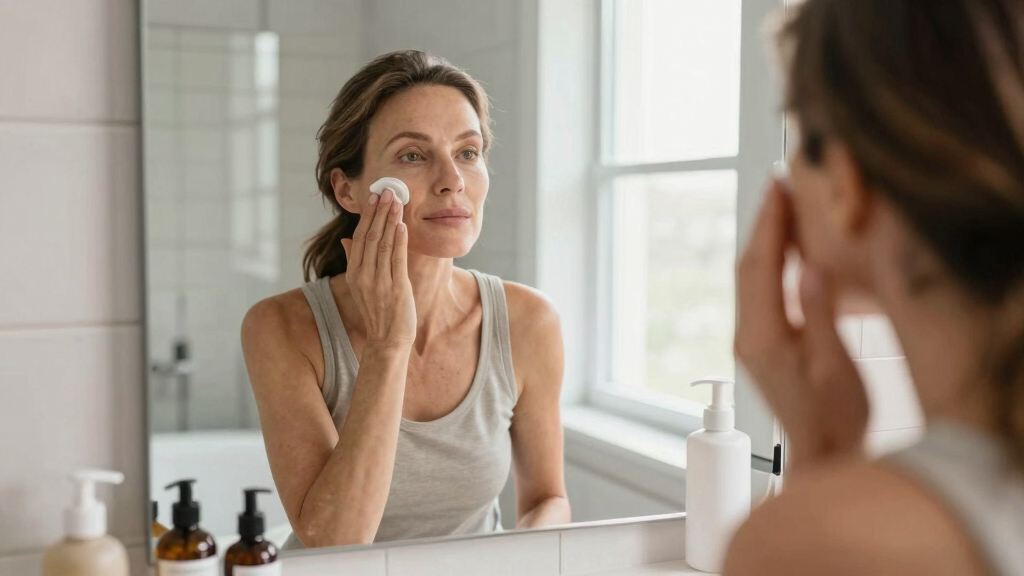
This article examines the societal obsession with youth, the rise of cosmetic procedures, and what it means to look ‘old’ in modern culture. It highlights confirmed trends and ongoing debates about aging and identity.
Recent data confirms a significant increase in cosmetic procedures aimed at maintaining a youthful appearance, reflecting societal pressures to look young at increasingly earlier ages.
Between 2019 and 2022, the American Society of Plastic Surgeons reported a 73 percent rise in Botox and similar neuromodulators. Fillers and facelifts have also seen notable increases, with younger patients seeking these treatments more frequently. Globally, aesthetic procedures increased by 40 percent between 2020 and 2023, according to a recent study.
Simultaneously, the use of weight-loss drugs like Ozempic has surged, with nearly one in eight American adults using GLP-1 drugs for weight management, driven by societal ideals linking thinness and attractiveness. These trends reflect a broader societal shift toward controlling and modifying appearances more than ever before.
Why It Matters
This trend matters because it highlights how societal standards of beauty and youth are shaping individual behaviors and perceptions of self-worth. The normalization of cosmetic procedures and body modification raises questions about identity, self-image, and the societal value placed on youthfulness.
As an affiliate, we earn on qualifying purchases.
Background
Historically, the desire to look young has driven cosmetic surgery trends, but recent years have seen a dramatic acceleration. The early 2000s focused on anti-aging, but now the emphasis has shifted to achieving an ageless look, often starting in the late 20s. Social media and celebrity influence have amplified these pressures, making appearance modification more accessible and socially accepted.
“The age that people think about aging or looking old is no longer in their 40s or 50s. It’s late 20s now.”
— Vivian Diller, psychologist and author
“People tend to believe there was a point in the past where their bodies were most authentically their own, and they often long to return to that ideal image.”
— Clare Chambers, political philosophy professor
As an affiliate, we earn on qualifying purchases.
What Remains Unclear
It remains unclear how long these trends will continue or whether societal attitudes toward aging will shift toward greater acceptance of natural aging processes. The psychological impact of these pressures is also still being studied.
As an affiliate, we earn on qualifying purchases.
What’s Next
Experts predict that the normalization of cosmetic procedures will continue, possibly with increased regulation and societal debate about beauty standards. Future research may focus on the long-term psychological effects of these trends and how perceptions of aging evolve.
As an affiliate, we earn on qualifying purchases.
Key Questions
Why are cosmetic procedures increasing among younger people?
According to recent studies and expert opinions, societal pressures, social media influence, and celebrity culture contribute to younger individuals seeking cosmetic treatments to appear youthful and ‘ageless.’
Does this trend reflect genuine desire or social pressure?
It is a mix of both. While some individuals genuinely seek to improve self-esteem, many are influenced by societal standards that equate youthfulness with beauty and success.
What are the psychological effects of striving for perpetual youth?
Research suggests it can lead to increased anxiety, dissatisfaction, and a diminished sense of authenticity, but further studies are ongoing to understand these impacts fully.
Will society eventually accept aging naturally?
This remains uncertain. Cultural attitudes are shifting, but societal standards of beauty still heavily favor youth, making acceptance of natural aging a complex issue.
Halloween Picks
halloween
As an affiliate, we earn on qualifying purchases.