
TL;DR

Get gifts for the two of you delivered free with Prime
- Fast, free delivery on millions of items
- Prime Video, Amazon Music and more included
- Member-only deals all year
Nepeta is increasingly replacing lavender in cottage gardens due to its durability, longer flowering season, and ease of maintenance. Experts highlight its advantages over traditional lavender planting.
Garden designers and homeowners are increasingly favoring nepeta, or catmint, as a replacement for lavender in cottage gardens due to its resilience, longer flowering period, and lower maintenance requirements.
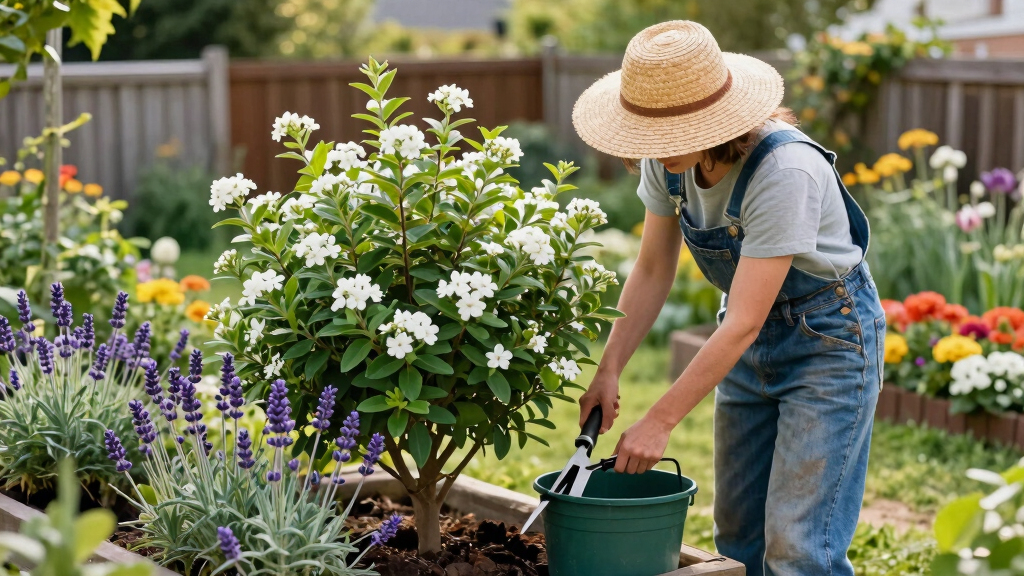
Lavender, a staple of cottage gardens, is facing criticism for its demanding care needs, including pruning and susceptibility to woody growth. In contrast, nepeta offers a similar aesthetic with dense spikes of blue-purple flowers and silver-green foliage, but with greater ease of growth and maintenance, according to landscape experts.
Designers note that nepeta blooms from late spring into fall, providing a longer display than lavender, which typically blooms for only a few weeks in early summer. Nepeta’s herbaceous nature also makes it easier to prune, requiring only light cutting to promote reblooming, and it is highly tolerant of various soils and conditions.
Why Garden Trends Are Shifting to Nepeta
The shift from lavender to nepeta reflects a broader trend towards low-maintenance, resilient plants that can withstand challenging conditions while providing visual interest throughout the growing season. This change could influence planting choices for both amateur and professional gardeners, emphasizing practicality and sustainability.
As an affiliate, we earn on qualifying purchases.
Historical Use and Challenges of Lavender in Gardens
Lavender has long been a favorite in cottage and sensory gardens for its scent and visual appeal. However, its growth can be unpredictable; it often becomes woody and straggly after a few years, requiring careful pruning. Additionally, lavender’s short-lived bloom and slow maturity—taking two to three years to reach full shrub size—make it less reliable for continuous display. These issues have prompted gardeners and designers to seek more durable alternatives, with nepeta gaining popularity in recent years.
“Lavender can be a demanding plant, requiring precise pruning and patience to reach its full potential, which is why many are turning to nepeta as a more reliable alternative.”
— Gerardo Loayza, landscape design expert
low maintenance flowering shrubs for cottage gardens
As an affiliate, we earn on qualifying purchases.
As an affiliate, we earn on qualifying purchases.
Uncertainties About Long-Term Garden Adoption
While current trends favor nepeta over lavender, it is still uncertain how widespread this shift will become in the long term. Some traditional gardeners may prefer lavender for its scent and historical significance, and the adaptability of nepeta across different climates remains under observation.
pollinator attracting garden plants
As an affiliate, we earn on qualifying purchases.
As an affiliate, we earn on qualifying purchases.
Future Trends in Cottage Garden Planting
Garden experts anticipate continued growth in the use of resilient perennials like nepeta, with further research into varieties that maximize bloom duration and drought tolerance. Gardeners may also experiment with combining nepeta with other low-maintenance plants to create sustainable, colorful borders.
As an affiliate, we earn on qualifying purchases.
Key Questions
Why is nepeta considered a better alternative to lavender?
Nepeta is easier to grow, blooms longer from late spring to fall, and requires less pruning and maintenance compared to lavender, which can become woody and short-lived.
Can nepeta attract pollinators like lavender?
Yes, nepeta attracts pollinators such as bees and butterflies, similar to lavender, making it beneficial for garden ecosystems.
Will nepeta tolerate different soil types and conditions?
Yes, nepeta adapts well to various soils, including chalk, sand, and loam, and tolerates full sun or partial shade, making it highly versatile.
Is nepeta as aromatic as lavender?
While not as intensely fragrant, nepeta has a herby scent that is often described as a cross between spearmint and lavender, providing some aromatic appeal.
Are there any downsides to replacing lavender with nepeta?
Some traditionalists may prefer lavender for its scent and historical use; additionally, the long-term performance of nepeta in all climates is still being studied.
Source: Homes & Gardens
Columbus Day / Indigenous Peoples' Day Picks
long weekend sales
As an affiliate, we earn on qualifying purchases.