
TL;DR
Prime for Young Adults — start your free trial
Fast free delivery, streaming and member deals for eligible 18–24 year olds.
As an affiliate, we earn on qualifying purchases.
The Venice Biennale 2024 opened with significant political protests and debates over artistic expression. While the event features thousands of artworks, the core challenge remains: how do viewers navigate skepticism and emotional openness? The event’s political controversies and art experiences underscore its ongoing cultural importance.
The Venice Biennale opened last week, marked by protests, political controversies, and vibrant artistic displays, illustrating the event’s complex role as a global cultural phenomenon.
The 2024 Venice Biennale has been characterized by political protests, notably Pussy Riot’s disruptive performance outside the Russian Pavilion, and debates over the inclusion of the Russian and Israeli pavilions, which sparked accusations of complicity and censorship. Despite these controversies, the exhibition features thousands of artworks across multiple venues, offering a vast and varied experience for visitors.
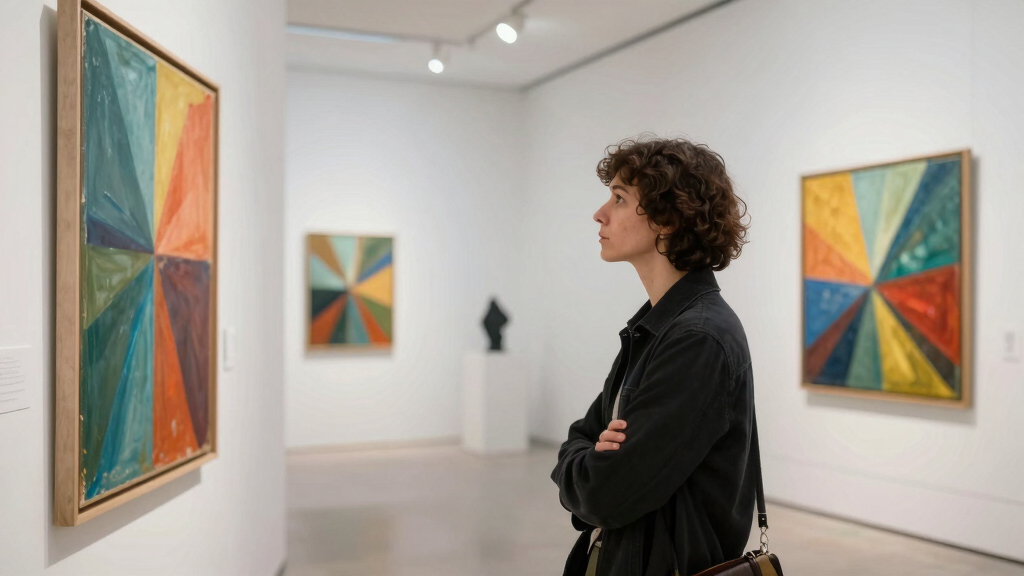
Visitors have reported both moments of emotional impact and skepticism, reflecting the perennial art lover’s dilemma: whether to engage emotionally or maintain critical distance. The event’s scale and diversity make it impossible to experience everything, but unexpected artworks often evoke strong reactions, highlighting art’s unpredictable power.
Why It Matters
This year’s Venice Biennale underscores the ongoing tension between art as a form of political expression and personal reflection. The protests and controversies reveal how art can serve as a platform for activism and debate, making the event relevant beyond the art world. For viewers, it exemplifies the challenge of balancing skepticism with emotional openness in engaging with complex, often provocative artworks.
As an affiliate, we earn on qualifying purchases.
Background
The Venice Biennale, established in 1895, is one of the most prestigious international art exhibitions, showcasing contemporary art from around the world. Each edition often reflects current global issues, and recent years have seen increased politicization and debates over censorship. The 2024 edition continues this trend, with heightened attention to political pavilions and provocative artworks, including the controversial inclusion of Russian and Israeli exhibitions amidst geopolitical tensions.
“The Biennale is a mirror of our turbulent times, forcing viewers to confront uncomfortable truths and their own reactions.”
— Art critic Jane Doe
“Our performance was about challenging the silence and complicity in the face of political repression.”
— Pussy Riot spokesperson
As an affiliate, we earn on qualifying purchases.
What Remains Unclear
It remains unclear how the political controversies will influence future editions of the Biennale or whether the protests will lead to lasting changes in how the event handles politically sensitive pavilions and artworks. The long-term impact of this year’s protests and debates is still developing.
As an affiliate, we earn on qualifying purchases.
What’s Next
In the coming weeks, the focus will shift to visitor reactions and critical assessments. The organizers are expected to address the controversies, and further protests or debates may emerge as the event continues through November. The impact on future policies regarding politically sensitive exhibitions is yet to be seen.
As an affiliate, we earn on qualifying purchases.
Key Questions
Why was Pussy Riot protesting at the Venice Biennale?
Pussy Riot staged a protest outside the Russian Pavilion to draw attention to political repression in Russia and to challenge the presence of the Russian state’s representation at the event.
What controversies have surrounded this year’s Venice Biennale?
Controversies include protests by Pussy Riot, debates over the inclusion of Russian and Israeli pavilions, and disputes over political censorship and complicity with pariah states.
Does the event include political artworks?
Yes, many artworks engage with current political issues, and some protests, like Pussy Riot’s, are considered part of the artistic expression of political dissent.
How do visitors typically respond to the controversies?
Reactions vary widely; some visitors are moved emotionally by provocative works, while others remain skeptical or critical of the political implications.
Fall yard work Picks
leaf blowers
As an affiliate, we earn on qualifying purchases.