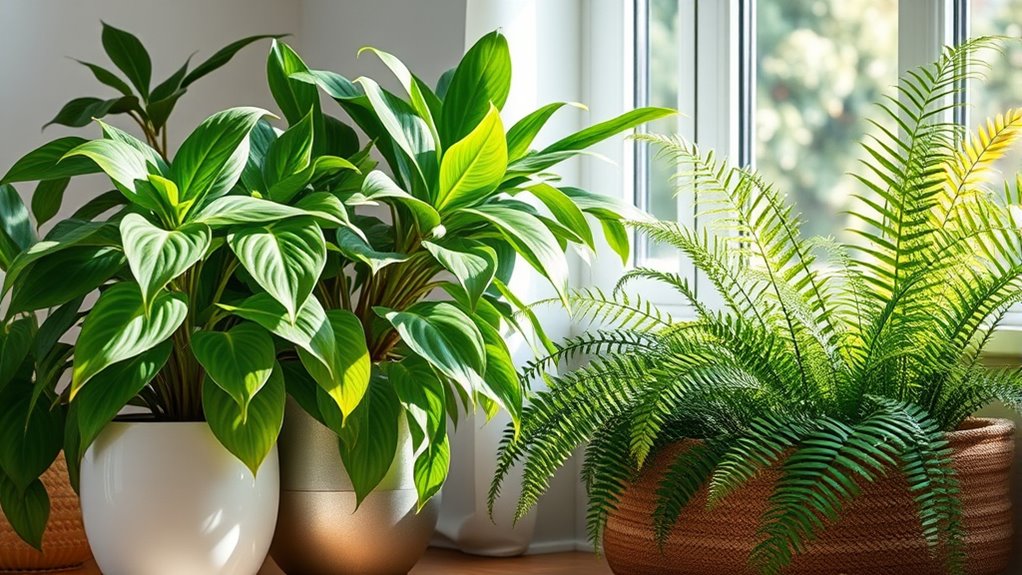

If you’re looking for safe indoor plants for pets, choose varieties like spider plants, Boston ferns, parlor palms, and succulents such as haworthia and zebra plants. These plants add beauty without risking your pet’s health, but always keep them out of reach and monitor pets’ interactions. Using hanging baskets or high shelves helps protect your furry friends. Want to discover more about creating a stylish, pet-friendly garden? Keep exploring to find the perfect options.

Get gifts for the two of you delivered free with Prime
- Fast, free delivery on millions of items
- Prime Video, Amazon Music and more included
- Member-only deals all year
Key Takeaways
- Choose pet-safe plants like spider plants, Boston ferns, parlor palms, haworthia, and zebra plants.
- Keep plants out of pets’ reach using hanging baskets or elevated shelves.
- Regularly verify plant safety information to avoid toxic varieties.
- Supervise pets around indoor plants, especially new additions.
- Incorporate low-maintenance, drought-tolerant succulents for easy, pet-friendly decor.
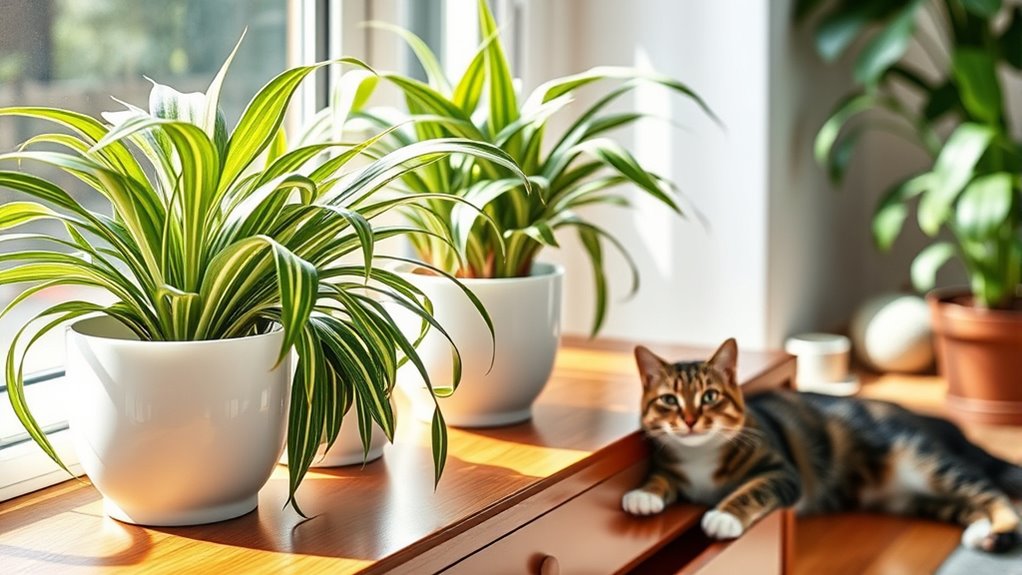
If you have pets and want to brighten up your indoor space, choosing the right plants is essential. Many plants can add beauty and freshness to your home, but not all are safe for curious cats and dogs. To keep your pets healthy, focus on pet safe plant varieties that won’t harm them if they decide to nibble or dig. While some plants are perfectly safe, others are common toxic plants that can cause serious health issues if ingested. Being aware of these distinctions helps you create a pet-friendly environment without sacrificing style or greenery.
Start by selecting plants known for their safety around pets. For example, plants like spider plants, Boston ferns, and parlor palms are generally considered pet safe. These plants are not only non-toxic but also easy to care for, making them ideal choices for homes with animals. Additionally, succulents such as haworthia and zebra plant are safe and drought-tolerant, so they’re low-maintenance options that add a touch of modern elegance. When choosing plants, always double-check their safety status, as even common houseplants can sometimes be toxic if you’re not cautious.
Choose pet-safe plants like spider plants, Boston ferns, and succulents for a stylish, non-toxic indoor garden.
Creating a pet-safe indoor garden involves more than just choosing the right plants. Keep your plants out of reach, especially if they’re known to be toxic, and monitor your pets’ behavior around new additions. Educate yourself about plant toxicity levels, and consider placing plants in hanging baskets or on high shelves to prevent accidental ingestion. Remember, even plants labeled as non-toxic can sometimes cause mild stomach upset if eaten in large quantities, so moderation and supervision are key. Additionally, utilizing plant toxicity information can help you make informed choices for your pet-friendly home.
As an affiliate, we earn on qualifying purchases.
Frequently Asked Questions
Can Cats or Dogs Develop Allergies to Certain Indoor Plants?
You might wonder if your cats or dogs can develop plant allergies. Yes, they can show plant allergy symptoms like itching, swelling, or respiratory issues. Some pets have plant sensitivity, reacting to certain indoor plants. To keep your pets safe, observe for any unusual behavior or symptoms after exposure. If you notice signs of allergies, consult your vet to identify the cause and choose pet-friendly, non-toxic plants.
How Often Should I Water Pet-Safe Indoor Plants?
When it comes to watering frequency, it’s crucial to take into account your plant’s specific needs. Most indoor plants thrive with watering once a week, but check the soil moisture first—if it’s still damp, hold off. Proper plant maintenance involves adjusting watering based on the season and environment. Overwatering can harm your plants, so observe them regularly and ensure they have good drainage. Consistency is key for healthy, pet-safe indoor plants.
Are There Toxic Plants That Look Similar to Safe Ones?
You might wonder if toxic plants resemble safe ones, and yes, visual similarities can cause confusion. To avoid accidental ingestion, always double-check plant identification before bringing new plants home. Pay close attention to leaf shape, color, and size, and compare them to trusted references. When in doubt, consult a plant expert or use reliable plant identification tools to guarantee your indoor greenery remains safe for your pets.
What Are Signs My Pet Is Reacting Badly to a Plant?
You should look for symptom identification to spot if your pet reacts badly to a plant. Watch for cues like vomiting, diarrhea, drooling, or difficulty breathing. Behavioral changes such as lethargy or loss of appetite can also signal trouble. If you notice these plant reaction cues, remove the plant immediately and consult your veterinarian. Prompt action helps guarantee your pet’s safety and well-being.
Can Pet-Safe Plants Improve Indoor Air Quality?
Ever wonder if your indoor plants can really boost air quality? The answer is yes, but it depends on your plant selection. Some plants excel at air purification, removing toxins and improving overall freshness. Imagine vibrant, pet-safe plants quietly working in the background, transforming your space. By choosing the right varieties, you create a healthier environment filled with cleaner air—plus, a touch of nature that’s safe for your furry friends.
non-toxic houseplants for cats and dogs
As an affiliate, we earn on qualifying purchases.
As an affiliate, we earn on qualifying purchases.
Conclusion
So, while choosing pet-safe indoor plants might seem like a small step, it actually makes a big difference. After all, you wouldn’t want your adorable furball to turn into a curious, plant-munching casualty, right? Ironically, the very plants meant to brighten your home could pose hidden risks. By picking safe options, you get to enjoy a lush, beautiful space without any unexpected vet visits—talk about smart decorating!
As an affiliate, we earn on qualifying purchases.
As an affiliate, we earn on qualifying purchases.
Fall Picks
fall essentials
As an affiliate, we earn on qualifying purchases.