

Gentle conflict skills change a home faster because they focus on understanding feelings and building trust, not just enforcing rules. By actively listening and managing emotions, you create a respectful, calm environment where everyone feels heard and valued. This encourages open communication and helps address the real issues behind disagreements. Unlike rules that only control behavior, gentle skills foster deeper connections and mutual respect, leading to lasting positive change—if you want to discover how to implement these techniques effectively, keep exploring further.

Get gifts for the two of you delivered free with Prime
- Fast, free delivery on millions of items
- Prime Video, Amazon Music and more included
- Member-only deals all year
Key Takeaways
- Gentle conflict skills foster emotional safety, encouraging open communication and quicker resolution compared to strict rules.
- They address underlying feelings, leading to lasting behavior change rather than temporary compliance.
- These skills build trust and mutual respect, creating a positive family culture that speeds up conflict resolution.
- They promote understanding and empathy, reducing resentment that often hinders rule-based approaches.
- Developing self-awareness and self-regulation helps families adapt and resolve conflicts more efficiently.
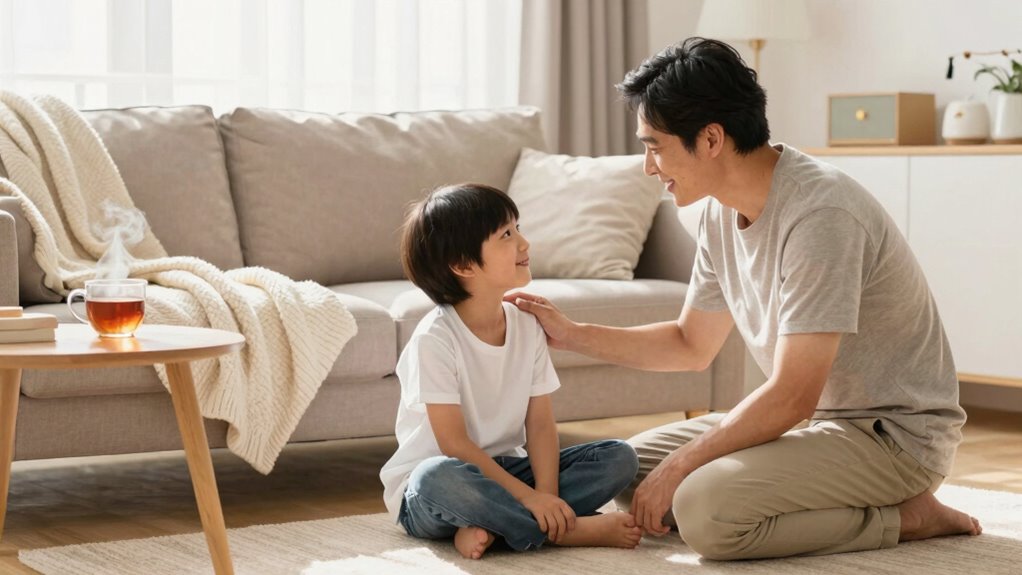
Conflicts are a natural part of family life, but how you handle them makes all the difference. When disagreements happen, it’s tempting to rely on strict rules or punishments to maintain order. However, rules alone often fall short because they don’t address the root of the problem or foster understanding. Instead, developing gentle conflict skills, especially emotional intelligence and active listening, can transform your home much faster and more effectively.
Emotional intelligence is the foundation for handling conflicts with empathy and clarity. When you recognize and manage your own feelings, you’re better equipped to understand what others are experiencing. This awareness helps you avoid reactive responses and instead approach disagreements with patience and compassion. By tuning into your emotions and those of your family members, you create a space where everyone feels heard and valued, which naturally reduces tension.
Emotional intelligence fosters understanding, patience, and a calm environment where everyone feels heard and valued.
Active listening plays a pivotal role in this process. When you genuinely listen to what someone is saying, you show that their feelings matter. Instead of interrupting or jumping to conclusions, give your full attention. Reflect back what you hear, like, “It sounds like you’re upset because…” This not only clarifies misunderstandings but also demonstrates respect and validation. Active listening shifts the focus from winning an argument to understanding each other’s perspectives, which is essential for resolving conflicts peacefully.
What makes these gentle conflict skills more effective than simply enforcing rules is their ability to build trust and emotional safety. Rules can sometimes feel punitive or restrictive, leading to feelings of resentment or rebellion. In contrast, emotional intelligence and active listening foster an environment where open communication thrives. When family members feel truly heard, they’re more likely to cooperate and work through disagreements constructively. Developing these skills also encourages family members to recognize emotional cues and respond thoughtfully, which enhances the overall family dynamic.
Additionally, developing these skills encourages family members to practice self-awareness and self-regulation, which are key components of emotional intelligence. Over time, practicing these skills helps your family develop resilience and stronger relationships. Conflicts become opportunities for growth rather than battles to be won. Your children learn to regulate their emotions, and you model calm, respectful problem-solving. This approach reduces the likelihood of recurring issues because it addresses underlying feelings instead of just surface behaviors. Creating a harmonious home environment benefits everyone and fosters long-term positive interactions.
Furthermore, understanding and consistently applying conflict resolution techniques can accelerate the process of creating a peaceful home atmosphere. Practicing these skills not only improves immediate interactions but also cultivates a family culture rooted in empathy and mutual understanding. In the end, gentle conflict skills like emotional intelligence and active listening change your home faster than rules because they create genuine connection and understanding. Instead of relying on authority alone, you cultivate an environment of mutual respect and empathy that naturally guides everyone toward better behavior and stronger bonds.
Frequently Asked Questions
How Do Gentle Conflict Skills Impact Children’s Emotional Development?
Gentle conflict skills boost your child’s emotional development by fostering emotional resilience and empathy development. When you handle conflicts calmly and respectfully, your child learns to manage their emotions better and understand others’ feelings. This approach encourages open communication, helping kids build trust and confidence. As a result, they become more resilient to stress and develop stronger empathy, which benefits their social skills and emotional health throughout life.
Can Gentle Conflict Skills Be Effective With Teenagers?
Yes, gentle conflict skills can be effective with teenagers. When you practice respectful boundaries and open communication, you foster trust and understanding. Teenager communication benefits when you listen actively and address concerns calmly, rather than imposing strict rules. This approach encourages teens to express themselves honestly, helping resolve conflicts faster and strengthening your relationship. By modeling respectful conflict resolution, you create a supportive environment where teenagers feel valued and understood.
What Are Common Mistakes to Avoid When Practicing Gentle Conflict Skills?
Avoid common mistakes like engaging in power struggles or reacting to passive resistance with anger. These undermine gentle conflict skills, making conflicts worse instead of better. Remember, rushing to fix issues or dismissing your teen’s feelings can backfire. Instead, stay calm, listen actively, and validate their perspective. This approach helps de-escalate conflicts quickly, fostering understanding and cooperation, ultimately transforming your home faster than strict rules ever could.
How Long Does It Typically Take to See Results With These Skills?
You can expect to see results with gentle conflict skills within a few weeks to a few months, depending on your consistency and practice. Timing expectations vary, but with steady effort, you’ll notice improved communication and calmer interactions. As you master these skills, conflicts become easier to resolve, making your home more peaceful. Patience is key—consistent practice accelerates skill mastery and creates lasting positive change.
Are Gentle Conflict Skills Suitable for All Family Dynamics?
Yes, gentle conflict skills are suitable for most family dynamics because they help you navigate power struggles without undermining parental authority. These skills foster respectful communication, reducing tension and encouraging cooperation. When you use gentle conflict techniques, your family learns to handle disagreements calmly, making it easier to maintain authority while promoting understanding. They work well across different ages and personalities, creating a more harmonious home environment.
Conclusion
By practicing gentle conflict skills, you create a more trusting and respectful environment at home. Unlike strict rules, these skills foster understanding and connection, helping issues resolve quicker and more peacefully. Did you know that homes using respectful communication see a 60% increase in happiness and cooperation? That’s a powerful reminder that kindness and empathy can transform your home faster than simply enforcing rules. Embrace gentle conflict skills, and watch your relationships thrive effortlessly.
Fall Picks
fall essentials
As an affiliate, we earn on qualifying purchases.