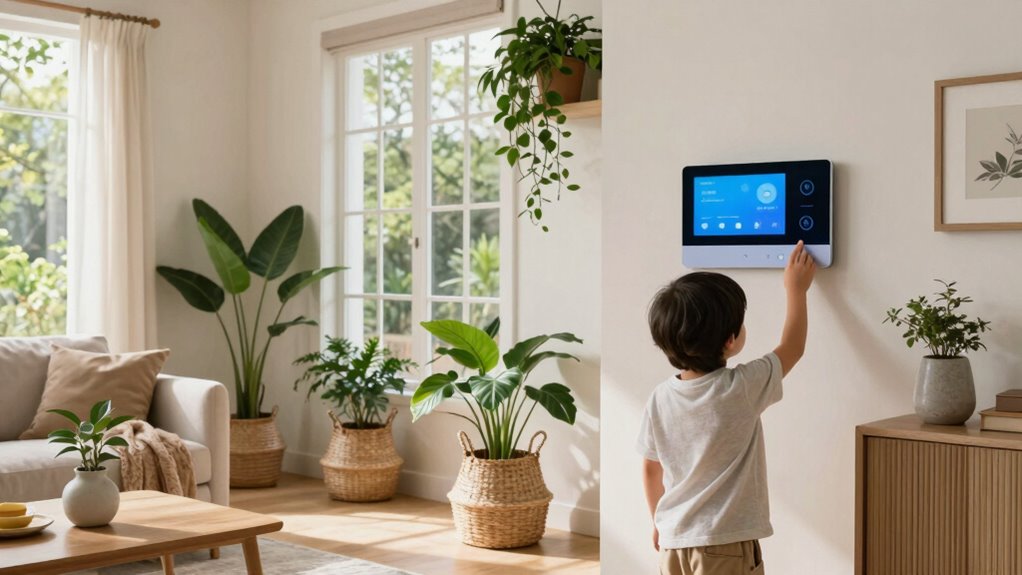

To build a more conscious home system without stress, start by choosing energy-efficient appliances with high Energy Star ratings and replace your older models gradually. Integrate smart home devices like thermostats and lighting systems that learn your routines and allow remote control. Focus on proper setup and regular maintenance to keep everything running smoothly. By making thoughtful, step-by-step upgrades, you create a sustainable, manageable home environment that feels rewarding and simple to maintain. Keep exploring to discover even more ways to enhance your home’s efficiency.

Get gifts for the two of you delivered free with Prime
- Fast, free delivery on millions of items
- Prime Video, Amazon Music and more included
- Member-only deals all year
Key Takeaways
- Gradually upgrade appliances and systems to reduce stress and spread costs over time.
- Choose user-friendly, DIY-compatible smart home devices for easier setup and maintenance.
- Prioritize energy-efficient appliances with high ratings to simplify sustainable choices.
- Plan automation carefully to enhance convenience and avoid overwhelming system complexity.
- Regularly maintain and review systems to ensure optimal performance and long-term reliability.
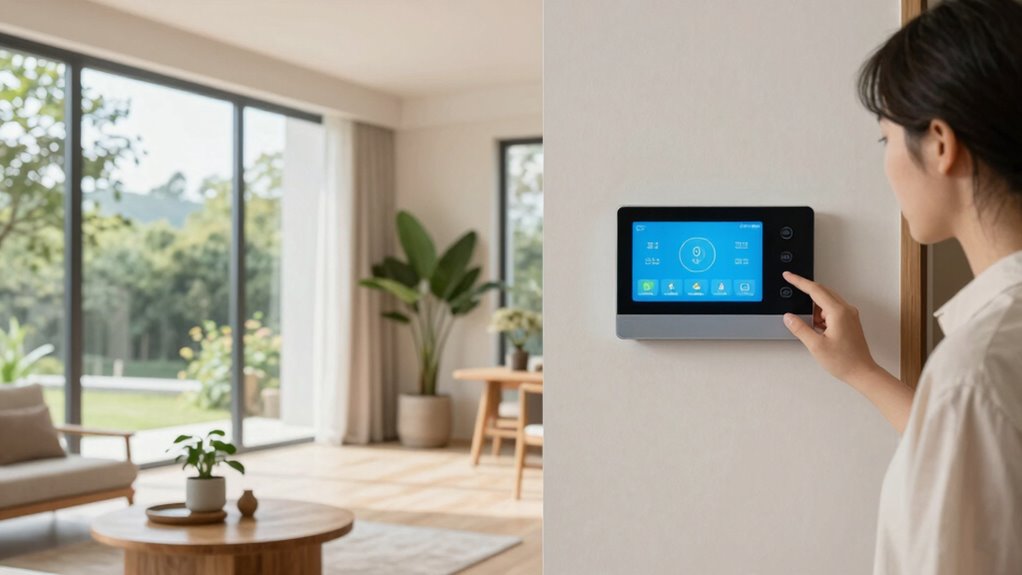
Are you ready to build a reliable and efficient home system? Starting this journey might seem overwhelming at first, but it’s all about making smart choices that benefit both your lifestyle and the environment. The foundation of a low-stress, conscious home begins with understanding how to incorporate energy-efficient appliances and smart home integration into your plans. These elements not only make your home more sustainable but also simplify daily routines, giving you peace of mind and more time to enjoy what matters most.
Energy-efficient appliances are a great starting point. They use less energy than conventional models, which means lower utility bills and a reduced carbon footprint. When selecting appliances, look for those with high Energy Star ratings—they’re rigorously tested for efficiency and performance. Think about replacing older refrigerators, washers, and dryers with modern, eco-friendly options. Not only do these appliances save you money over time, but they also contribute to a more sustainable home environment. You don’t need to overhaul everything at once; a gradual upgrade approach can minimize stress and spread out costs.
Once you’ve chosen energy-efficient appliances, it’s time to focus on smart home integration. This step takes your home’s functionality to the next level, making it easier to control and monitor energy use. Smart thermostats, for example, learn your schedule and adjust heating or cooling automatically, preventing energy waste. Smart lighting systems can be programmed to turn off when rooms are unoccupied or dim during daylight hours. You can even control these devices remotely via your smartphone, giving you convenience and control from anywhere. Incorporating home automation systems can further enhance the efficiency and coordination of your devices, making everyday management more seamless. Additionally, understanding how to optimize home energy management**** can maximize the benefits of these technologies.
Integrating these technologies might seem complicated, but it’s more straightforward than you think. Many systems are designed for user-friendly setup, and you can often install them yourself or hire a professional for a quick setup. The key is to plan ahead—map out which areas of your home could benefit most from automation and energy management. Proper installation and maintenance are essential to ensuring systems operate at peak performance and longevity. Recognizing the importance of proper installation and maintenance can help ensure your systems operate efficiently and last longer. This way, you avoid unnecessary complications or costly mistakes. Additionally, utilizing smart home technology can enhance your home’s efficiency and convenience by seamlessly connecting various devices and systems.
Building a low-stress, conscious home system is about making thoughtful, intentional choices. Focus on energy-efficient appliances to cut down on energy consumption, and utilize smart home integration for added convenience and control. These steps help you create a home that’s not only more sustainable but also easier to manage on a daily basis. Remember, it’s a process, not an overnight transformation. Take it one step at a time, and you’ll find that creating a reliable, efficient, and mindful home can be both simple and rewarding.
As an affiliate, we earn on qualifying purchases.
Frequently Asked Questions
How Can I Ensure My Home System Is Eco-Friendly?
To make certain your home system is eco-friendly, choose eco-friendly appliances that consume less energy and water, reducing your carbon footprint. Incorporate sustainable lighting options like LED bulbs or solar-powered lights to further decrease energy use. You can also optimize insulation and use smart technology to manage energy efficiently. Regularly maintain appliances and switch to renewable energy sources when possible, making your home more sustainable and environmentally conscious.
What Are the Best Budget-Friendly Materials for Construction?
Think of your home as a canvas, waiting for budget-friendly materials to bring it to life. You should explore insulation options like recycled denim or cellulose, which are both affordable and eco-conscious. For flooring, consider laminate or cork, offering durability without breaking the bank. These choices not only save money but also promote sustainability, helping you create a conscious, comfortable living space without overspending.
How Long Does the Construction Process Typically Take?
Construction timelines vary based on project scope, but typically, a conscious home takes about 3 to 6 months to build. Your project planning plays a key role in staying on schedule; clear milestones and regular check-ins help. Delays can happen due to weather or material availability, so building in buffer time is smart. Staying organized and proactive guarantees your construction process moves smoothly and finishes within your expected timeframe.
Are There Government Incentives for Sustainable Home Systems?
You’re in luck—government incentives can give you a leg up on sustainable home systems. Many programs offer rebates for installing renewable energy solutions like solar panels and energy-efficient appliances. These rebates make going green more affordable, helping you cut costs and reduce your carbon footprint. Be sure to check local and federal programs, as they often change, and take advantage of any financial incentives available to support your eco-friendly home upgrade.
How Can I Retrofit an Existing Home for Better Consciousness?
You can retrofit your home for better consciousness by installing smart lighting to reduce energy use and adopting renewable energy sources like solar panels. Replace outdated appliances with energy-efficient models, and add insulation to minimize heating and cooling needs. Consider smart thermostats for better climate control. These upgrades not only lower your carbon footprint but also make your home more sustainable and cost-effective over time.
As an affiliate, we earn on qualifying purchases.
Conclusion
Building a more conscious home system is like planting seeds for a sustainable future—you start small, nurture wisely, and watch it grow. With mindful choices and simple steps, you can transform your space into a haven that benefits both your family and the planet. Remember, each effort adds up, making your home a shining example of harmony and efficiency. Embrace the journey, and let your home be a beacon of positive change in a world craving balance.
energy-efficient washing machine
As an affiliate, we earn on qualifying purchases.
As an affiliate, we earn on qualifying purchases.
As an affiliate, we earn on qualifying purchases.
Halloween Picks
halloween
As an affiliate, we earn on qualifying purchases.