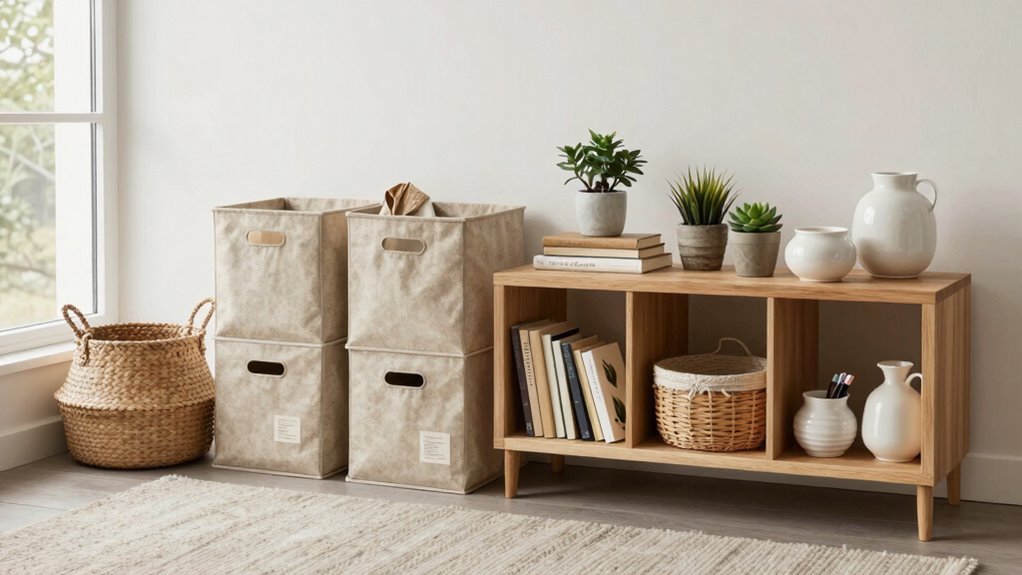

To declutter sustainably, focus on eco-friendly disposal methods like recycling, donating, or repurposing items instead of throwing them away. Choose high-quality, durable items to reduce future waste and adopt a minimalist mindset to keep clutter manageable. Being mindful of each item’s lifecycle and environmental impact helps you make smarter choices. If you want to discover more ways to make your decluttering eco-conscious and beneficial for the planet, keep exploring these strategies.

Get gifts for the two of you delivered free with Prime
- Fast, free delivery on millions of items
- Prime Video, Amazon Music and more included
- Member-only deals all year
Key Takeaways
- Prioritize recycling, donating, and repurposing items instead of discarding them as waste.
- Embrace minimalism to reduce overall waste generation and promote sustainable living.
- Properly dispose of electronics and hazardous materials through specialized recycling programs.
- Focus on high-quality, durable items to decrease the frequency of decluttering and waste.
- Incorporate eco-friendly disposal methods to minimize environmental impact during decluttering.

Have you ever wondered if decluttering your home could actually do more harm than good to the environment? It’s a valid question, especially when you consider the waste generated from tossing out items. But if you adopt an eco friendly disposal approach, you can minimize your environmental impact while decluttering. The key is to shift your mindset toward a minimalist mindset, focusing on quality over quantity and intentional living. This shift helps you recognize which items truly serve a purpose and which ones are just clutter that adds to waste.
Decluttering responsibly with eco-friendly disposal minimizes waste and promotes intentional, sustainable living.
When you approach decluttering with an eco friendly disposal mindset, you prioritize recycling, donating, and repurposing over simply throwing things away. Instead of heading straight to the trash, you look for ways to extend the life of your belongings. For example, donating clothes, furniture, or electronics to charities or secondhand shops keeps items out of landfills and benefits others. Recycling materials whenever possible reduces the amount of waste that ends up in the environment. Some items, like old batteries or electronics, require special disposal methods, so researching local collection centers or hazardous waste programs becomes essential. By doing this, you ensure that your decluttering efforts are not just freeing up space but also contributing to a healthier planet. Incorporating sustainable disposal methods into your routine can further amplify these efforts.
Adopting a minimalist mindset makes it easier to decide what to keep and what to let go of. When your goal is to simplify, you naturally eliminate excess and reduce the overall volume of waste generated. Instead of accumulating more possessions, you focus on owning fewer, higher-quality items that last longer and serve a clear purpose. This approach minimizes future clutter and reduces the frequency of decluttering sessions, leading to fewer disposal concerns over time. It also encourages mindful consumption, where you consciously choose items with eco friendly disposal in mind, such as products made from sustainable or recyclable materials. Additionally, understanding biodiversity and its importance can inspire more thoughtful choices in your consumption habits, supporting a healthier environment. Recognizing the environmental impact of waste further motivates you to reduce waste and make more eco-conscious decisions. Moreover, being aware of the life cycle of products can help you select items that are designed with sustainability and disposal in mind.
Ultimately, decluttering doesn’t have to harm the environment if you approach it with intention and responsibility. Your ability to integrate eco friendly disposal methods and a minimalist mindset transforms a potentially wasteful task into an environmentally conscious practice. Think of it as an opportunity to not only create a cleaner, more organized living space but also to lessen your ecological footprint. With each item you let go of, ask yourself if it can be reused, recycled, or donated. That way, your decluttering process becomes a positive, sustainable act—one that benefits both your home and the planet.
As an affiliate, we earn on qualifying purchases.
Frequently Asked Questions
How Can I Declutter Without Feeling Overwhelmed?
To avoid feeling overwhelmed, start with mindful sorting by tackling small areas at a time. Set a timer to keep sessions manageable and focus on one category, like clothes or books. As you declutter, prioritize space optimization by donating or recycling items instead of piling them up. Break the process into steps, celebrate small wins, and remember that decluttering is a gradual journey, making it easier to stay motivated and organized.
What Are Eco-Friendly Disposal Options for Difficult Items?
When it comes to difficult items, don’t throw caution to the wind—know your options. You can utilize local recycling programs for electronics and plastics, and always check if hazardous waste collection events are available for chemicals or batteries. For items that can’t be recycled, consider donating or repurposing. Being mindful keeps waste out of landfills and supports eco-friendly disposal habits, proving that one person’s clutter can become someone else’s treasure.
How Do I Decide What to Keep or Donate?
To decide what to keep or donate, start with organizational techniques like sorting items into categories. Ask yourself if you’ve used an item recently or if it truly adds value to your life. Use donation strategies by considering what others might need more than you. If an item is in good condition and serves a purpose, donate it. Keep only essentials and meaningful possessions, making your space more functional and eco-friendly.
Can Decluttering Help Improve Mental Health?
Yes, decluttering can substantially improve your mental health. When you clear space, you gain mental clarity, making it easier to focus and feel less overwhelmed. It also offers emotional relief by reducing stress and creating a calmer environment. By actively decluttering, you take control of your space and mind, fostering a sense of accomplishment and peace. This process promotes overall well-being and helps you better manage daily challenges.
What Tools or Apps Assist in Sustainable Decluttering?
You can use digital organization tools like Trello or Notion to categorize and track your items, making decluttering more efficient. Recycling apps such as iRecycle or Earth911 help you find local recycling centers for your unwanted goods, ensuring they’re disposed of responsibly. These tools make sustainable decluttering easier by streamlining the process and encouraging eco-friendly choices, so you can clear space without harming the environment.
donation collection boxes for clothing and electronics
As an affiliate, we earn on qualifying purchases.
As an affiliate, we earn on qualifying purchases.
Conclusion
Think of decluttering as tending a garden. When you remove the weeds, you make space for new growth, but if you toss them recklessly, you risk choking the soil. By carefully composting and recycling your belongings, you nurture a healthier, more vibrant space. Remember, you’re the gardener of your home—tend with intention, and you’ll cultivate a clutter-free sanctuary that blossoms without harm. Your mindful choices turn chaos into beauty.
reusable storage containers for decluttering
As an affiliate, we earn on qualifying purchases.
As an affiliate, we earn on qualifying purchases.
sustainable home organization products
As an affiliate, we earn on qualifying purchases.
As an affiliate, we earn on qualifying purchases.
Fall Picks
fall essentials
As an affiliate, we earn on qualifying purchases.