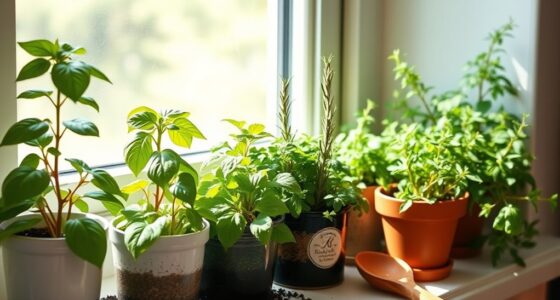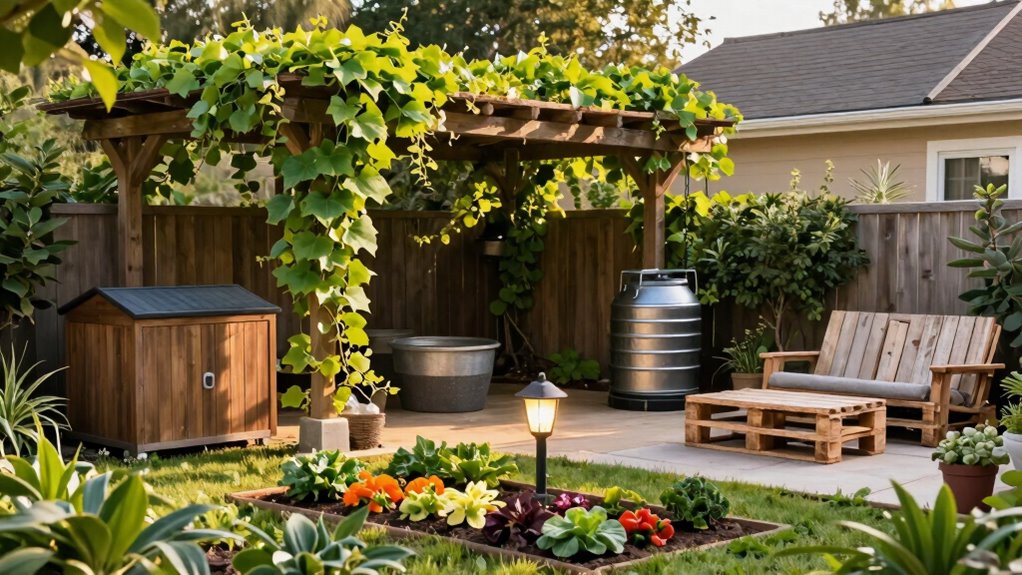

To make your outdoor space more useful and sustainable, choose eco-friendly materials like recycled wood, bamboo, or reclaimed stone for furniture and features. Incorporate native plants and drought-resistant species to reduce water use and support local wildlife. Add wildlife-friendly elements such as bird feeders, bee hotels, and ponds to boost biodiversity. Use solar-powered lighting and multifunctional furniture to save energy and space. Keep exploring to discover more ways to create a beautiful, eco-conscious outdoor retreat.

Get gifts for the two of you delivered free with Prime
- Fast, free delivery on millions of items
- Prime Video, Amazon Music and more included
- Member-only deals all year
Key Takeaways
- Incorporate native plants and drought-resistant species to reduce water use and maintenance needs.
- Use recycled, reclaimed, or sustainably sourced materials for furniture and outdoor features.
- Install wildlife-friendly elements like bird feeders, bee hotels, and small water features to boost biodiversity.
- Utilize solar-powered lighting and eco-friendly privacy screens to save energy and enhance outdoor comfort.
- Design multifunctional, modular furniture to maximize space utility and promote sustainable living.
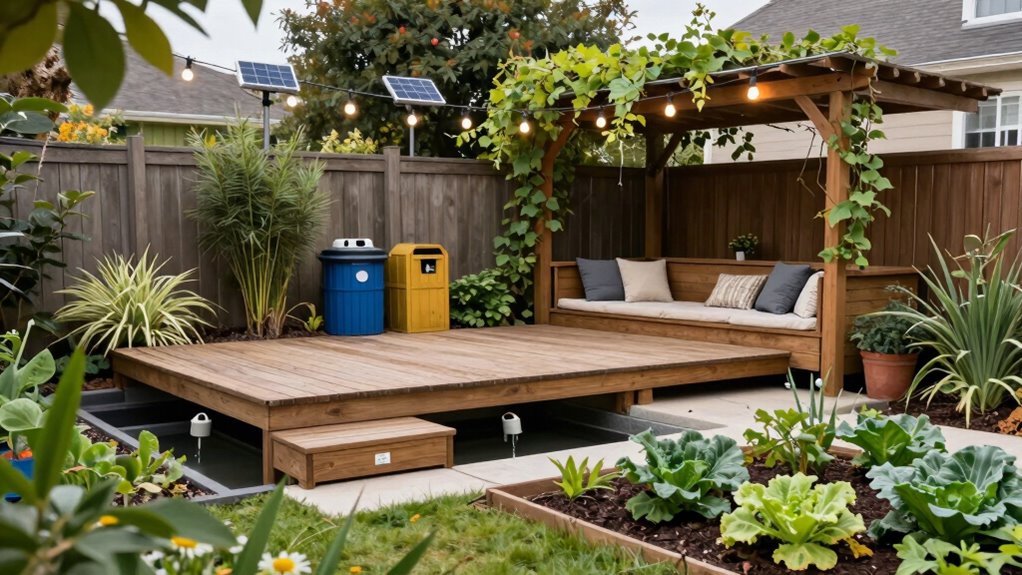
Ever wondered how to transform your outdoor space into a relaxing retreat or a vibrant gathering spot? The key lies in making thoughtful choices that enhance both usability and sustainability. Start by selecting eco-friendly materials for your landscaping and furniture. Opt for recycled wood, bamboo, or reclaimed stone to reduce environmental impact. These materials not only look beautiful but also support sustainable practices and decrease waste. Incorporating natural elements like native plants and drought-resistant species can further boost your garden’s sustainability. They require less water and maintenance, helping you conserve resources while creating a lush, inviting environment.
Choose eco-friendly materials and native plants to create a sustainable, beautiful outdoor retreat.
Adding wildlife-friendly features can turn your outdoor area into a haven for local fauna. Installing bird feeders, bee hotels, and butterfly gardens attracts beneficial insects and pollinators, which are essential for a healthy ecosystem. Incorporate native plants that provide food and shelter to wildlife, making your yard a thriving habitat. A small pond or water feature can also serve as a critical water source for birds and insects, encouraging biodiversity. When designing these features, prioritize materials that are non-toxic and durable, ensuring they blend seamlessly with your eco-friendly theme. Using sustainable materials in all aspects of your outdoor design helps establish a more environmentally responsible space.
To make your outdoor space more practical, consider multifunctional furniture and clever storage solutions. Fold-away tables, benches with built-in storage, and modular seating allow you to adapt the space for different occasions, from intimate family dinners to lively gatherings. Using sustainable materials for these pieces, like recycled plastic or FSC-certified wood, reinforces your commitment to eco-conscious living. Incorporate shaded areas with eco-friendly pergolas or umbrellas made from natural fibers, providing comfort while minimizing environmental impact. Additionally, choosing native plants can help create a more resilient garden that requires fewer resources and supports local ecosystems.
Lighting plays a key role in extending your outdoor space’s usability. Swap out traditional electric lights for solar-powered lanterns and string lights. Not only do these options save energy, but they also add a cozy ambiance for evening gatherings. Privacy screens made from sustainable materials can help define different zones and create a sense of seclusion, making your outdoor space more versatile and inviting. Incorporating eco-friendly materials in your outdoor features further enhances sustainability and durability. Additionally, selecting native plants enhances the ecological value of your garden by supporting local biodiversity and reducing the need for resources. Properly maintaining these sustainable features ensures your outdoor space remains environmentally friendly over time.
Ultimately, transforming your outdoor space into a more useful and sustainable area involves mindful choices. By prioritizing eco-friendly materials and integrating wildlife-friendly features, you not only create a beautiful retreat but also support the health of the environment. These thoughtful updates ensure your outdoor space becomes a place where you can relax, entertain, and connect with nature—all while respecting the planet.
As an affiliate, we earn on qualifying purchases.
Frequently Asked Questions
How Can I Reduce Water Usage in My Outdoor Space?
You can reduce water usage by installing rainwater harvesting systems to collect and store rainwater for your garden. Use drip irrigation instead of sprinklers to deliver water directly to plant roots, minimizing waste. Mulch around plants to retain moisture and reduce evaporation. Regularly check for leaks and water your garden early in the morning or late in the evening to maximize efficiency, ensuring your outdoor space stays lush with less water.
What Are Eco-Friendly Materials for Outdoor Furniture?
You can choose eco-friendly outdoor furniture made from recycled plastic or bamboo. Recycled plastic furniture is durable, weather-resistant, and repurposes plastic waste, reducing landfill clutter. Bamboo furniture is a sustainable option because bamboo grows quickly and absorbs carbon efficiently. Both materials are environmentally friendly, stylish, and long-lasting, helping you create an outdoor space that’s not only functional but also eco-conscious.
How Do I Attract Pollinators to My Garden?
To attract pollinators, plant pollinator-friendly plants and native flower gardens that provide nectar and pollen throughout the seasons. You should also avoid pesticides, as these harm bees and butterflies. Incorporate diverse flowering plants to offer continuous food sources. Create shelter options like bee hotels or undisturbed ground. By making your garden inviting and safe, you’ll encourage pollinators to visit, supporting local ecosystems and enhancing your garden’s productivity.
What Are Low-Maintenance Plants for Sustainability?
Forget high-maintenance plants that demand constant attention. Instead, choose native species and drought-tolerant plants—nature’s way of saying, “I got this.” These hardy plants thrive with minimal water and care, making your garden sustainable and low-effort. Plus, they support local pollinators and wildlife, turning your outdoor space into an eco-friendly haven without breaking a sweat. Who knew sustainability could be so effortless?
How Can I Compost Effectively Outdoors?
To compost effectively outdoors, place your compost bin in a well-drained, shaded spot to regulate temperature and prevent odors. Keep the compost moist and turn it regularly to manage temperature, ensuring it heats up enough to break down materials efficiently. Use a mix of green and brown waste, and avoid adding meats or dairy. Proper placement and temperature management accelerate composting and create nutrient-rich soil for your garden.
solar-powered outdoor string lights
As an affiliate, we earn on qualifying purchases.
As an affiliate, we earn on qualifying purchases.
Conclusion
By incorporating multi-functional furniture and native plants, you can transform your outdoor space into a sustainable oasis. Imagine installing a rain barrel next to your garden, watering your plants while conserving water. For example, Sarah turned her backyard into a lush, eco-friendly retreat by adding compost bins and solar-powered lights, reducing waste and energy use. Small changes like these make your outdoor area more useful, beautiful, and kind to the environment — all while creating a space you’ll love to enjoy.
As an affiliate, we earn on qualifying purchases.
As an affiliate, we earn on qualifying purchases.
Fall Picks
fall essentials
As an affiliate, we earn on qualifying purchases.