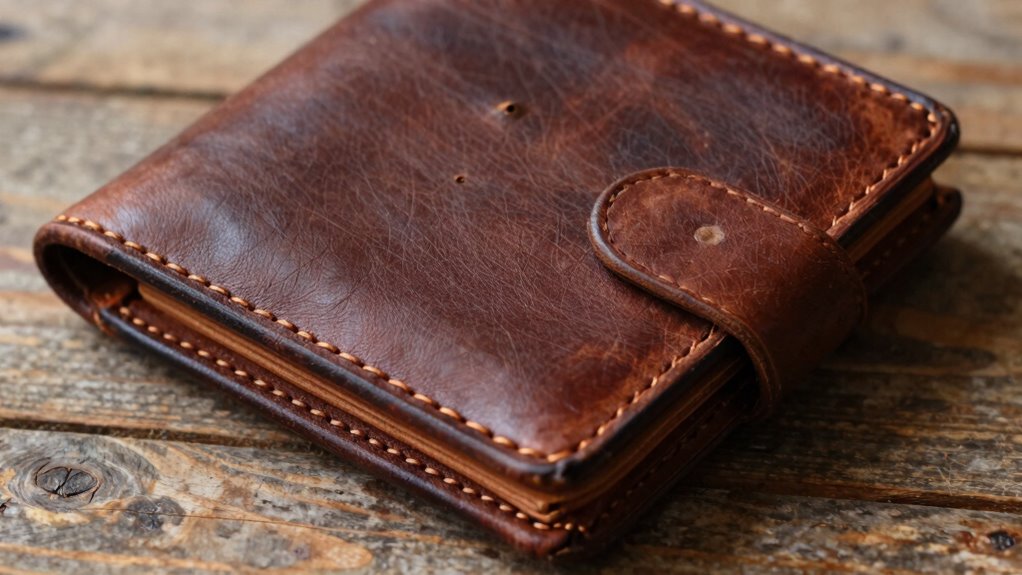

Repairing more and replacing less feels so rewarding because it helps you live sustainably, reduce waste, and save money. When you fix items, you foster a sense of achievement and empowerment, making you feel more connected to your possessions. It also encourages responsible habits and mindful consumption, boosting your sense of purpose. By choosing repair over replacement, you contribute to a healthier planet and a resilient lifestyle—discover how these habits can transform your life as you explore further.

Get gifts for the two of you delivered free with Prime
- Fast, free delivery on millions of items
- Prime Video, Amazon Music and more included
- Member-only deals all year
Key Takeaways
- Repairing fosters a sense of achievement and empowerment by restoring items oneself or with help.
- It reduces waste and environmental impact, promoting a feeling of contributing to sustainability.
- Fixing belongings encourages mindful consumption and responsible habits, leading to greater personal fulfillment.
- Repairing builds a deeper connection and respect for possessions, enhancing overall satisfaction.
- It offers a resilient, cost-effective alternative to constant replacement, supporting long-term value and purpose.
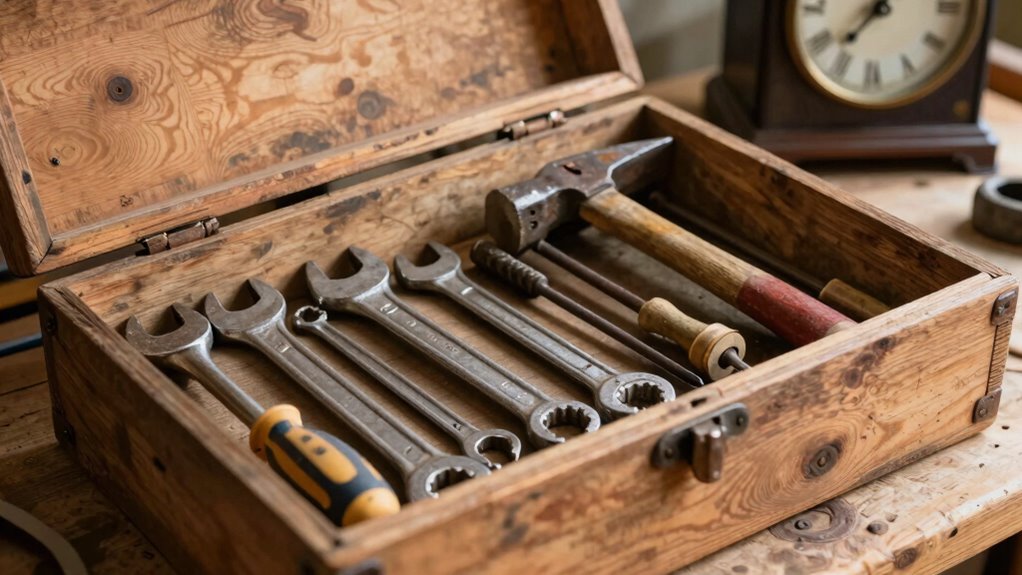
In a world obsessed with newness, choosing to repair more and replace less can feel surprisingly rewarding. When you opt to fix what’s broken instead of tossing it out, you develop sustainable habits that benefit both the environment and your wallet. Repairing encourages you to think twice about each purchase, fostering mindful consumption. Instead of mindlessly replacing items, you consider whether they truly need to be discarded or if they can be restored. This shift in mindset makes you more aware of your consumption patterns, helping you avoid impulse buys and reducing waste.
Repairing also cultivates patience and resourcefulness. When something malfunctions, you’re encouraged to learn about its inner workings or seek out a professional to restore it. This approach not only saves money but also reduces your reliance on constantly acquiring new products. Over time, you start to see the value in maintaining what you already own, which makes every repair feel like a small victory. It’s a way to extend the life of your possessions and decrease the demand for manufacturing new items, which in turn lowers your carbon footprint. Sustainable habits can be reinforced through repeated repair efforts, creating a cycle of responsible behavior. Recognizing the importance of product durability helps solidify this mindset.
Moreover, repairing more aligns with a broader sense of responsibility. You become more conscious of the environmental impact of your choices, recognizing that every discarded item adds to landfills and pollution. By choosing to repair rather than replace, you actively contribute to reducing waste and conserving resources. This mindful consumption fosters a deeper connection to the things you own, encouraging you to treat your belongings with care and respect. It’s not just about fixing things; it’s about adopting a sustainable mindset that values durability and longevity. Recognizing the importance of biodiversity and the impact of waste on ecosystems further deepens this commitment. Developing a circular economy mindset can help you see your possessions as part of a larger system of reuse and renewal.
You’ll find that repairing can be surprisingly satisfying, especially when you see an item come back to life through your efforts. It can be empowering to fix a broken appliance or mend a favorite piece of clothing, knowing you’ve prevented it from ending up in a landfill. This sense of achievement reinforces the idea that your choices matter. Over time, repairing more becomes second nature, reinforcing habits that prioritize sustainability and mindful consumption. Additionally, understanding repair techniques can make the process more accessible and enjoyable, encouraging more frequent repairs. These habits, in turn, help you live more intentionally, making each decision about whether to repair or replace more deliberate.
Ultimately, choosing to repair more and replace less isn’t just good for the planet—it’s good for you. It fosters a more thoughtful, resilient approach to your possessions, helping you live with less waste and more purpose.
As an affiliate, we earn on qualifying purchases.
Frequently Asked Questions
How Does Repairing Extend the Lifespan of Products?
When you repair products instead of replacing them, you extend their lifespan by fixing issues early with DIY solutions, preventing minor problems from worsening. This approach challenges replacement myths that suggest discarding and buying new is better. By repairing, you save money, reduce waste, and keep items functioning longer. Your proactive attitude helps preserve the environment and maximizes the value of your possessions, making repairs a smart, sustainable choice.
What Environmental Benefits Come From Repairing Instead of Replacing?
When you choose to repair instead of replace, you support sustainable consumption and conserve resources. This reduces waste, lowering landfill overflow and minimizing the need for new resource extraction. By repairing, you help reduce energy use and pollution associated with manufacturing new products. Your actions promote a more eco-friendly lifestyle, making a significant difference in protecting the environment and fostering a healthier planet for future generations.
Are Repair Services More Cost-Effective Long-Term Than Replacements?
Repair services are more cost-effective long-term because they offer significant cost savings by extending your item’s lifespan, preventing the need for costly replacements. Plus, you’ll enjoy higher consumer satisfaction since repairs often restore functionality better than replacements. By choosing repairs, you avoid unnecessary expenses and get reliable results, making it a smart, budget-friendly option that benefits both your wallet and your overall experience.
How Has the Repair Industry Evolved Over Recent Years?
The repair industry has evolved considerably, emphasizing vintage restoration and DIY empowerment. Today, you find more accessible tools and resources, making it easier to fix things yourself or entrust specialists with restoring antique items. This shift encourages sustainable practices and personal satisfaction. As a result, you’re empowered to extend the life of your possessions, reduce waste, and enjoy the rewarding process of preserving history through meticulous repairs.
What Are Common Challenges Faced When Repairing Older Items?
You face challenges like limited replacement parts, with 70% of vintage restorations requiring custom solutions. When repairing older items, vintage restoration often demands specialized skills, and DIY troubleshooting can be tricky, especially with fragile or outdated components. You might also struggle with identifying original materials or dealing with corrosion, which complicates repairs. Overcoming these hurdles keeps your passion alive and helps you preserve valuable pieces with pride.
As an affiliate, we earn on qualifying purchases.
Conclusion
When you choose to repair rather than replace, you’re planting seeds of sustainability that grow into a lush forest of mindful living. Each fix is like mending a fragile thread in the fabric of your world, weaving resilience and purpose into your everyday. Feel the satisfaction ripple through you like a gentle stream, knowing you’re nurturing something lasting. Embrace this mindful approach, and watch how your simple acts bloom into a vibrant, enduring landscape of care and connection.
As an affiliate, we earn on qualifying purchases.
As an affiliate, we earn on qualifying purchases.
Halloween Picks
halloween
As an affiliate, we earn on qualifying purchases.