
Couples communication tools come in three broad formats — conversation card decks, structured workbooks, and skills-based guidebooks — and the right one depends on whether you want to break the ice, rebuild after conflict, or change how you argue for good. My top pick is The Couples Therapy Flip Chart, which brings clinician-style psychoeducation into a format you can actually use at the kitchen table. If you want something lighter, The Skin Deep Couples Edition is the strongest card deck for emotional depth, while the Couples Communication Workbook wins on structure with its 20-minutes-a-day, 12-day plan. The main tradeoff in this category is depth versus ease: card decks get used more often but teach fewer skills, while workbooks teach real skills but demand commitment. Keep reading for the full breakdown of all 15 options and who each one suits best.
Get ready for Prime Big Deal Days — try Prime free
Exclusive member deals on October 6–7, plus fast free delivery. Cancel anytime.
Start your free trialAs an affiliate, we earn on qualifying purchases.
Key Takeaways
- Format predicted success more than price: low-effort card decks like The Skin Deep and Let’s Get Deep get used consistently, while deeper workbooks like The CBT Couples Toolbox only pay off for couples already motivated to do exercises.
- The Couples Therapy Flip Chart earned the top spot because it bridges the gap between professional therapy content and at-home usability — no other product balances clinical credibility with daily accessibility as well.
- Time-commitment claims varied widely in honesty: the Couples Communication Workbook’s 20-minutes-for-12-days structure is realistic, while several ’10-minute’ workbooks realistically demand longer sessions to complete their exercises.
- Couples in active conflict benefited most from conflict-focused tools (Emotional Regulation Workbook, Love More Fight Less), while stable couples wanting deeper connection did better with question decks — buying the wrong type is the most common mistake in this category.
- Budget decks under $20 (Couples Connection Cards, Life Sutra) performed well as icebreakers but lacked the scaffolding to change communication patterns, making them supplements rather than standalone fixes.
| Let’s Get Deep: A Question Card Game for Couples by Relatable |  | Best Overall Card Game | Format: Card game | Ages: 17+ | Number of Players: 2 or more | VIEW LATEST PRICE | See Our Full Breakdown |
| BestSelf Intimacy Deck – 170 Conversation Cards for Couples |  | Best Value Depth | Format: Card deck | Number of Cards: 170 | Topics: 7 curated categories | VIEW LATEST PRICE | See Our Full Breakdown |
| Communication Skills for Couples: Guide to Improve Communication, Resolve Conflict, Deepen Intimacy, Strengthen Marriage, and Create a Healthy Relationship |  | Best Foundational Read | Format: Paperback guidebook | Focus Areas: Communication, conflict resolution, intimacy, marriage | Approach: Practical strategy-based advice | VIEW LATEST PRICE | See Our Full Breakdown |
| Emotional Regulation Workbook for Couples: 10-Minute Tools to Calm Triggers, Stop Reactive Arguments, Communicate Clearly, and Repair Conflict | 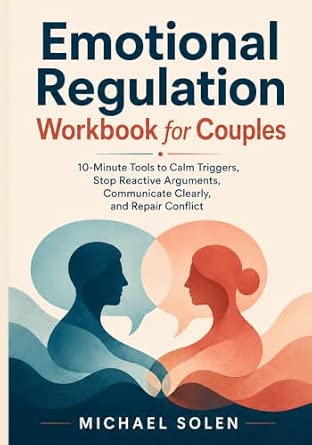 | Best for High-Conflict Couples | Format: Workbook with exercises | Exercise Length: 10 minutes | Focus Areas: Emotional regulation, triggers, reactive arguments, conflict repair | VIEW LATEST PRICE | See Our Full Breakdown |
| Couples Communication Workbook: 20 Minutes a Day for 12 Days to Improve Listening, Resolve Conflicts, and Strengthen Your Relationship |  | Best Structured Program | Format: Workbook with daily exercises | Program Length: 12 days | Daily Time Commitment: 20 minutes | VIEW LATEST PRICE | See Our Full Breakdown |
| The Skin Deep Couples Edition – 199 Meaningful Conversation Cards for Couples |  | Best Premium Card Deck | Number of Cards: 199 | Format: Conversation card deck | Intended Audience: Couples | VIEW LATEST PRICE | See Our Full Breakdown |
| The Couples Therapy Flip Chart: A Psychoeducational Tool to Help Couples Identify Patterns of Disconnection, Manage Relationship Conflict, and Create a Thriving Partnership |  | Best Therapist-Adjacent Tool | Format: Psychoeducational flip chart | Intended Audience: Couples, therapists, counselors | Primary Focus: Identifying disconnection patterns, conflict management | VIEW LATEST PRICE | See Our Full Breakdown |
| Communication Miracles for Couples: Easy and Effective Tools to Create More Love and Less Conflict |  | Best Classic Book Pick | Format: Book | Intended Audience: Couples, individuals in relationships | Primary Focus: Practical communication, reducing conflict, building love | VIEW LATEST PRICE | See Our Full Breakdown |
| Communicate Your Feelings (Without Starting a Fight): What to Say and What Not to Say to Your Partner |  | Best for Conflict-Avoidant Couples | Format: Book | Intended Audience: Couples, conflict-avoidant partners | Primary Focus: Expressing feelings without triggering conflict | VIEW LATEST PRICE | See Our Full Breakdown |
| Reconnect: A Marriage Counseling Workbook |  | Best Structured Workbook | Format: Guided workbook | Intended Audience: Married and long-term couples | Primary Focus: Communication, rebuilding trust, intimacy | VIEW LATEST PRICE | See Our Full Breakdown |
| Life Sutra Couple Reconnect Card Game, 150 Conversation Cards |  | Best Gift Pick | Number of Cards: 150 | Item Type: Card game | Recommended Age: 16 years and up | VIEW LATEST PRICE | See Our Full Breakdown |
| Love More, Fight Less: Communication Skills Every Couple Needs | 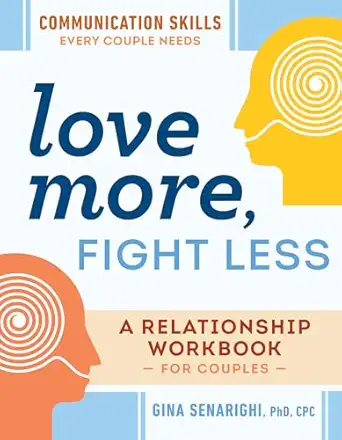 | Best Skills Workbook | Format: Paperback workbook | Publisher: Penguin Life | ISBN-13: 978-0593196653 | VIEW LATEST PRICE | See Our Full Breakdown |
| The CBT Couples Toolbox: Over 45 Exercises to Improve Communication | 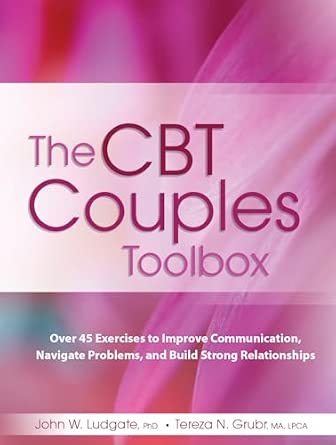 | Best for Deeper Therapeutic Work | Format: Paperback workbook | Number of Exercises: 45+ | Methodology: Cognitive-behavioral therapy (CBT) | VIEW LATEST PRICE | See Our Full Breakdown |
| 8-Week Couples Therapy Workbook: Essential Strategies to Connect |  | Best Structured Program | Format: Spiral-bound workbook | Program Length: 8 weeks | Focus: Communication, connection, relationship strengthening | VIEW LATEST PRICE | See Our Full Breakdown |
| Couples Connection Cards – 50 Conversation Starters |  | Best Travel-Ready Deck | Number of Cards: 50 | Item Type: Card game / conversation deck | Material: Cardstock | VIEW LATEST PRICE | See Our Full Breakdown |
| couples communication tool | Format |
|---|---|
| Let’s Get Deep: A Question Car | Card game |
| BestSelf Intimacy Deck | Card deck |
| Communication Skills for Coupl | Paperback guidebook |
| Emotional Regulation Workbook | Workbook with exercises |
| Couples Communication Workbook | Workbook with daily exercises |
| The Skin Deep Couples Edition | Conversation card deck |
| The Couples Therapy Flip Chart | Psychoeducational flip chart |
| Communication Miracles for Cou | Book |
| Communicate Your Feelings | Book |
| Reconnect: A Marriage Counseli | Guided workbook |
| Life Sutra Couple Reconnect Ca | — |
| Love More | Paperback workbook |
| The CBT Couples Toolbox: Over | Paperback workbook |
| 8-Week Couples Therapy Workboo | Spiral-bound workbook |
| Couples Connection Cards | — |
More Details on Our Top Picks
Let’s Get Deep: A Question Card Game for Couples by Relatable
What sets Let’s Get Deep apart from single-layer decks like the Life Sutra Couple Reconnect Card Game is its tiered intimacy structure — questions escalate from light icebreakers to vulnerable, deeply personal prompts, so couples control the pace of disclosure. That progression mirrors how real emotional openness works, which is why this pick makes the most sense for couples who want a date night ritual rather than a one-off novelty. Compared with the BestSelf Intimacy Deck, it leans more playful and less clinical, which lowers the barrier for partners who feel awkward about ‘relationship exercises.’ The tradeoff: mature content means it is firmly adult-only, and couples expecting structured skill-building will find no conflict-resolution framework here. This is connection through conversation, not therapy.
Pros:- Tiered question levels let couples ramp up intimacy at their own pace
- Works across many occasions, from casual date nights to anniversaries
- Playful tone lowers defensiveness compared with clinical alternatives
- Supports repeat play with enough question depth for multiple sessions
Cons:- Mature content makes it unsuitable around family or mixed company
- No framework for resolving conflict — purely conversational
- Meaningful engagement usually requires multiple sessions, not one
Best for: Couples who want a fun, repeatable date night activity that gradually deepens intimacy without feeling like homework
Not ideal for: Couples in active conflict seeking conflict-resolution tools — a workbook like Love More, Fight Less serves that goal better
- Format:Card game
- Ages:17+
- Number of Players:2 or more
- Content Rating:Mature, adult-oriented
- Question Structure:Multiple intimacy levels
- Categories:Couples, conversation games, gifts
- Best Use Case:Date nights and anniversaries
Our verdict“Buy this if you want the most engaging, repeatable conversation game for date nights; skip it if you need structured conflict-resolution skills.”
BestSelf Intimacy Deck – 170 Conversation Cards for Couples
Where Let’s Get Deep plays it playful, the BestSelf Intimacy Deck goes psychology-backed and purposeful, with 170 cards spread across seven curated topics covering love, dreams, and desires. That topical organization is the real differentiator: instead of a shuffled grab bag, couples can target the area where their connection feels weakest. The volume also matters — compared with the Couples Connection Cards at just 50 starters, this deck offers far more longevity before prompts start repeating. The crowd of over 200,000 couples using it suggests the questions land. The honest tradeoff is that it is entirely conversational: no games, no activities, no skill exercises. Partners who find question decks repetitive or performance-y may drift, and it offers nothing for couples whose real problem is arguments, not silence.
Pros:- 170 cards with seven curated topics offer targeted conversation by theme
- Psychology-backed prompt design gives it more substance than novelty decks
- Proven track record with over 200,000 couples
- Strong longevity — prompts won’t repeat quickly
Cons:- Conversation-only format with no interactive or activity elements
- Not designed for group play or parties
- Can feel repetitive for couples who already talk openly
Best for: Couples who want maximum question variety and organized topics for sustained weekly conversations
Not ideal for: Couples dealing with frequent conflict — conversation cards can’t teach de-escalation the way a workbook can
- Format:Card deck
- Number of Cards:170
- Topics:7 curated categories
- Design Basis:Psychology-backed prompts
- Target Audience:Couples
- Best Use Case:Date nights and relationship growth
- Player Count:2
Our verdict“The strongest card deck for couples who want depth and topic control; look elsewhere if your challenges are about fighting, not talking.”
Communication Skills for Couples: Guide to Improve Communication, Resolve Conflict, Deepen Intimacy, Strengthen Marriage, and Create a Healthy Relationship
Amid a lineup heavy on card decks, this guidebook takes the broadest approach, covering communication skills, conflict resolution, intimacy, and marriage-strengthening in one single-volume overview. It is best positioned as an entry point: compared with the Emotional Regulation Workbook for Couples, which zooms in tightly on managing triggers, this book sweeps across the whole relationship landscape, making it a fit for couples who aren’t sure yet where their communication breaks down. It also costs less than most card decks, so it works as a low-risk starting purchase. The tradeoff is breadth over depth — couples with a specific problem, like reactive arguments, will outgrow it quickly and need a targeted workbook. And with no author credentials or reviews available, buyers are trusting the content on faith, which more established titles like Communication Miracles for Couples don’t require.
Pros:- Covers communication, conflict, and intimacy in one accessible volume
- Actionable strategies rather than abstract theory
- Low-cost, low-commitment entry point for relationship work
- Useful primer before choosing a targeted workbook or deck
Cons:- No author credentials or verified reviews to vouch for the content
- Broad coverage means limited depth on any one skill
- Passive reading format lacks the exercises workbooks provide
Best for: Newly committed couples wanting an affordable, wide-ranging introduction to communication skills before investing in specialized tools
Not ideal for: Couples with a specific recurring problem — the broad scope means shallow treatment of any single issue
- Format:Paperback guidebook
- Focus Areas:Communication, conflict resolution, intimacy, marriage
- Approach:Practical strategy-based advice
- Skill Level:Beginner-friendly
- Commitment Level:Self-paced reading
- Best Use Case:Foundational relationship education
Our verdict“A reasonable first purchase for couples starting from zero, but established titles offer more proven depth.”
Emotional Regulation Workbook for Couples: 10-Minute Tools to Calm Triggers, Stop Reactive Arguments, Communicate Clearly, and Repair Conflict
Most tools in this roundup try to prevent miscommunication; this workbook targets what happens after things go wrong — the reactive spiral itself. Its 10-minute exercise format is the smartest design choice here: compared with the Couples Communication Workbook‘s 20-minute, 12-day program, this option demands less per sitting, which matters enormously for couples whose tension is already high and whose bandwidth is thin. The focus on identifying triggers and repairing conflict positions it closer to therapeutic work than any card deck in this guide, including The Skin Deep Couples Edition, which explores feelings but doesn’t teach calming techniques. The tradeoff is real, though: emotional regulation only works with consistent practice, and a couple that can’t yet sit through ten calm minutes together may abandon it. Sparse detail on length and structure also means buying somewhat blind.
Pros:- 10-minute exercises fit genuinely busy or emotionally drained schedules
- Targets root causes — triggers and reactivity — not just symptoms
- Includes conflict repair techniques most conversation tools skip
- Practical, exercise-driven rather than theory-heavy
Cons:- Requires consistent practice to see results, which strained couples may struggle to sustain
- Minimal published detail on page count and content structure
- Narrow focus leaves out broader relationship-building topics
Best for: Couples whose arguments escalate fast and who need short, practical tools to break reactive patterns
Not ideal for: Couples seeking fun or connection-building — this is repair work, not date night material
- Format:Workbook with exercises
- Exercise Length:10 minutes
- Focus Areas:Emotional regulation, triggers, reactive arguments, conflict repair
- Approach:Practical, exercise-driven tools
- Commitment Level:Ongoing short daily sessions
- Skill Level:Suitable for high-tension couples
- Best Use Case:Breaking reactive argument cycles
Our verdict“The right choice for couples stuck in blow-up arguments; wrong for anyone looking for lighthearted connection.”
Couples Communication Workbook: 20 Minutes a Day for 12 Days to Improve Listening, Resolve Conflicts, and Strengthen Your Relationship
This workbook’s 12-day, 20-minute-a-day program is the most defined roadmap in this roundup — and that structure is exactly its selling point. Compared with the Emotional Regulation Workbook, which offers modular tools you deploy as needed, this one behaves like a guided course: show up daily, do the exercise, build listening and conflict-resolution skills progressively. For couples who flounder without direction — the ones who buy card decks and never open them — that built-in accountability solves a real problem. It also covers listening skills, which conversation games like the BestSelf Intimacy Deck prompt but never actually teach. The tradeoff is rigidity: a 12-day sequential program punishes interruptions, and couples with erratic schedules may fall off midway. Vague descriptions about included materials also make it hard to judge the depth before buying.
Pros:- Clear 12-day structure removes the ‘where do we start’ barrier
- Short 20-minute sessions keep daily commitment manageable
- Actually teaches listening skills, not just conversation prompts
- Defined endpoint creates motivation to finish
Cons:- Sequential program loses effectiveness if days are skipped
- Description lacks detail on materials and content depth
- Less flexible than modular workbooks for couples in crisis
Best for: Self-directed couples who thrive on structure and want a finite, day-by-day program with a clear finish line
Not ideal for: Couples with unpredictable schedules or low follow-through — the sequential format falls apart when sessions are skipped
- Format:Workbook with daily exercises
- Program Length:12 days
- Daily Time Commitment:20 minutes
- Focus Areas:Listening, conflict resolution, relationship strengthening
- Structure:Sequential daily program
- Skill Level:Beginner-friendly
- Best Use Case:Structured skill-building over two weeks
Our verdict“The best pick for couples who need a step-by-step curriculum; skip it if your schedule or motivation can’t sustain 12 consecutive days.”
The Skin Deep Couples Edition – 199 Meaningful Conversation Cards for Couples
With 199 prompts, this deck out-cards nearly everything else in this roundup, including the BestSelf Intimacy Deck’s 170 cards and the Couples Connection Cards’ 50. That volume matters: it means the deck survives months of regular date nights before questions start recycling. The prompts are built to go past surface-level small talk, which separates it from lighter game-style options like Let’s Get Deep — this is conversation as connection work, not party entertainment. The tradeoff is tone and commitment. Compared with a structured workbook like Reconnect, there’s no framework or follow-through; the deck opens doors but doesn’t guide you through them. And at this price point per card, casual couples who want a fun evening may find it heavier than needed.
Pros:- 199 prompts give far more longevity than most competitor decks
- Questions push past small talk into genuinely meaningful territory
- Works across many settings — date nights, road trips, anniversaries
- Excellent gift format with polished presentation
Cons:- Some questions feel repetitive after extended use
- Strictly a two-person tool — unusable for group or family settings
- No guided structure, so couples needing conflict-resolution frameworks get none
Best for: Established couples who want a long-lasting, deep-dive conversation deck for regular date nights and honest self-disclosure
Not ideal for: New couples or casual daters who want playful icebreakers — the prompts assume emotional readiness for vulnerability
- Number of Cards:199
- Format:Conversation card deck
- Intended Audience:Couples
- Focus:Deep connection, authenticity, relationship growth
- Use Cases:Date nights, travel, gifts, special occasions
- Group Use:No — couples only
Our verdict“Buy this if you want the deepest and largest conversation deck in the category; skip it if you need a tool that actually resolves conflict rather than sparks conversation.”
The Couples Therapy Flip Chart: A Psychoeducational Tool to Help Couples Identify Patterns of Disconnection, Manage Relationship Conflict, and Create a Thriving Partnership
This flip chart occupies a spot no other product in this roundup claims: it’s built for the therapy room first and the living room second. Where Communication Miracles for Couples hands you techniques to read solo, this is a visual psychoeducational tool — pages you point to while talking through disconnection patterns with your partner or a clinician. That makes it uniquely effective for couples who learn better by seeing frameworks laid out than by reading chapters. The catch is obvious: without a therapist (or at least a motivated partner), the material can feel clinical and hard to apply. Compared with the self-guided CBT Couples Toolbox, it assumes more facilitation. It’s the most professional-feeling option here, but also the least plug-and-play.
Pros:- Diagnoses disconnection patterns, not just symptoms of poor communication
- Visual flip-chart format makes abstract dynamics easy to discuss
- Works equally well in professional therapy or structured self-help
- Clinically grounded content based on established couples therapy approaches
Cons:- Often needs a therapist or skilled facilitator to unlock full value
- Sparse product information makes it hard to evaluate content depth before buying
- Clinical tone may feel impersonal for casual users
Best for: Therapists, counselors, and coaching-minded couples who want a visual, session-ready tool for explaining relationship dynamics
Not ideal for: Couples wanting a private at-home fix — without facilitation, the psychoeducational format can feel dry and abstract
- Format:Psychoeducational flip chart
- Intended Audience:Couples, therapists, counselors
- Primary Focus:Identifying disconnection patterns, conflict management
- Setting:Therapy sessions or structured self-help
- Guidance Required:Best used with some facilitation
- Approach:Clinically oriented psychoeducation
Our verdict“This makes most sense for couples already in — or open to — therapy who want a shared visual map of their patterns; everyone else should pick a workbook instead.”
Communication Miracles for Couples: Easy and Effective Tools to Create More Love and Less Conflict
Among the book-format options here — Love More, Fight Less, Communicate Your Feelings, Communication Skills for Couples — this one has the longest track record as a perennial backlist favorite. Its promise is simplicity: easy, immediately usable techniques rather than theory, which is exactly what a couple mid-argument needs. Compared with the workbook-style Reconnect, there’s no homework or partner participation required — one person can read it and change the dynamic on their own. That low barrier is its superpower and its limit: it’s a book you read, not a program you do, so couples wanting structured exercises and measurable progress will outgrow it. Think of it as the entry-level read that tells you what to say, while the workbooks in this guide tell you what to do about it.
Pros:- Techniques are simple enough to apply the same day you read them
- Solo-readable — no partner cooperation needed to benefit
- Long-standing reputation as a go-to couples communication book
- Gentle, accessible tone that doesn’t require therapy vocabulary
Cons:- No exercises or structure, so progress depends entirely on the reader
- Content depth is lighter than workbook-based competitors
- Limited edition and format information available
Best for: Readers who want a low-commitment, affordable first book on couple communication — especially if only one partner is willing to read
Not ideal for: Couples who want exercises and active participation — this is passive reading, not a structured program
- Format:Book
- Intended Audience:Couples, individuals in relationships
- Primary Focus:Practical communication, reducing conflict, building love
- Reading Requirement:Solo-readable, no partner participation required
- Difficulty Level:Beginner-friendly
- Includes Exercises:No — techniques only
Our verdict“The right first purchase if you want quick, readable tools you can apply tonight — not if you and your partner want to work through a program together.”
Communicate Your Feelings (Without Starting a Fight): What to Say and What Not to Say to Your Partner
Where most entries in this roundup teach communication broadly, this book targets one very specific failure mode: saying how you feel without igniting an argument. That narrow focus is its advantage over broader guides like Communication Miracles for Couples — instead of a wide toolkit, you get concrete scripts and phrasing, including what not to say, which most books skip entirely. For a partner who bottles things up because past conversations blew up, this script-first approach can feel like a cheat code. The tradeoff is scope: there’s no workbook structure like Reconnect, no emotional-regulation training like the Emotional Regulation Workbook for Couples, and no card-deck fun. It solves one problem well and leaves the rest of the relationship untouched. Sparse reviews and edition details also make it a bit of a leap of faith.
Pros:- Gives literal scripts — what to say and what to avoid
- Focused on a single high-impact skill, so it’s fast to absorb
- Directly addresses the fear of triggering fights
- Practical rather than theoretical in tone
Cons:- Narrow scope leaves trust-building, intimacy, and repair work uncovered
- Very few reviews and little format information to evaluate before purchase
- Scripts can feel formulaic if your conflicts are complex
Best for: Partners who avoid hard conversations because they fear arguments and want exact wording help rather than theory
Not ideal for: Couples seeking a full relationship program — this covers one skill (expressing feelings safely) and nothing else
- Format:Book
- Intended Audience:Couples, conflict-avoidant partners
- Primary Focus:Expressing feelings without triggering conflict
- Approach:Script-based — suggested phrasing and phrases to avoid
- Includes Exercises:No — advice and scripts
- Difficulty Level:Beginner-friendly
Our verdict“Buy this if arguments keep you silent and you need exact phrases; skip it if you want a comprehensive relationship overhaul.”
Reconnect: A Marriage Counseling Workbook
This is the option for couples who don’t want to just read about communication — they want to do the work. Compared with the Couples Communication Workbook‘s 20-minutes-a-day-for-12-days sprint, Reconnect is built as a longer-haul marriage counseling workbook with guided conversations, trust-rebuilding exercises, and intimacy activities. That makes it the natural next step after a lighter book like Communication Miracles for Couples stops being enough. The structured format is its strength and its demand: unlike a card deck such as The Skin Deep, which one partner can casually introduce on a date night, this workbook only works if both people actively participate. Couples where one partner is checked out will stall fast. Sparse reviews also mean you’re trusting the format more than social proof.
Pros:- Guided conversations provide structure instead of vague advice
- Addresses trust rebuilding and intimacy, not just talk techniques
- Designed for long-term relationship growth rather than quick fixes
- Mimics a counseling progression at a fraction of therapy’s cost
Cons:- Requires both partners’ genuine buy-in to function
- Limited reviews and description make depth hard to verify beforehand
- Heavier commitment than card decks or single-topic books
Best for: Committed couples — including those repairing after a rough patch — where both partners will sit down and work through exercises together
Not ideal for: Couples with one unwilling partner — the exercises collapse without joint participation
- Format:Guided workbook
- Intended Audience:Married and long-term couples
- Primary Focus:Communication, rebuilding trust, intimacy
- Includes Exercises:Yes — guided conversations and activities
- Participation Required:Both partners
- Approach:Marriage-counseling-style progression
- Time Commitment:Ongoing, longer-term program
Our verdict“The pick for two motivated partners ready to do guided work together — not for anyone whose partner won’t pick up a pen.”
Life Sutra Couple Reconnect Card Game, 150 Conversation Cards
Gift shopping is where this deck earns its spot. With 150 prompts in a simple card format, it strikes a middle ground between the smaller Couples Connection Cards (50 questions) and the pricier BestSelf Intimacy Deck. This option stands out for accessibility — no rules to learn, no workbook commitment, just draw and talk — which makes it a safe pick for couples at any stage, including younger pairs thanks to the age-16 rating. Compared with the workbooks in this roundup like Love More, Fight Less, it trades structured skill-building for low-pressure conversation, and that’s the real tradeoff: couples hoping to fix a specific conflict pattern won’t find techniques here, just prompts. Some buyers also report the questions feel repetitive after several sessions, so it works best as an occasional ritual rather than a nightly habit.
Pros:- 150 prompts provide more variety than smaller decks
- Zero learning curve — playable immediately by any couple
- Affordable and widely giftable for occasions
- Suitable for younger couples (16+) unlike heavier therapy workbooks
Cons:- Conversation prompts only — no communication techniques or frameworks
- Questions can feel repetitive with frequent use
Best for: Gift-givers shopping for engagements, weddings, or anniversaries who want a low-commitment, universally likable option
Not ideal for: Couples working through recurring conflict — this deck opens conversations but teaches no resolution skills
- Number of Cards:150
- Item Type:Card game
- Recommended Age:16 years and up
- Material:Cardstock
- Brand:Life Sutra
- Model Name:Connect-150
- Manufacturer:Shopping Sutra LLC
- UPC:850012255215
Our verdict“Buy this as a thoughtful, low-risk gift for a couple you care about — not as a substitute for actual communication skills training.”
Love More, Fight Less: Communication Skills Every Couple Needs
Among the workbooks in this roundup, this one earns the skills-focused slot because its whole premise is conflict reduction — teaching couples what to say and do differently, not just prompting reflection. Compared with the 8-Week Couples Therapy Workbook, which spreads its content across a structured calendar, this book is better suited to couples who want practical exercises they can apply immediately after a blowup, rather than committing to a multi-week program. The exercises are user-friendly and don’t require a therapist’s guidance, which keeps the barrier to entry low. The honest drawback: it’s a generalist — couples dealing with deep trust breaches or chronic resentment may find it too surface-level next to the CBT Couples Toolbox, which is grounded in clinical methodology. Think of it as the right first book, not necessarily the only one.
Pros:- Teaches actionable skills rather than just offering conversation prompts
- Exercise-based format works without professional guidance
- Directly targets conflict reduction and understanding
- Accessible writing style for couples new to relationship books
Cons:- Too general for deep-seated trust or resentment issues
- Thinner content than clinically grounded alternatives like CBT-based workbooks
Best for: Couples who argue often and want concrete, immediately applicable communication techniques without a therapist
Not ideal for: Couples in serious crisis — the content assumes a baseline of goodwill that chronic conflict can erode
- Format:Paperback workbook
- Publisher:Penguin Life
- ISBN-13:978-0593196653
- Focus:Communication skills and conflict reduction
- Content Type:Practical exercises and guidance
- Audience:Couples
Our verdict“This is the right first purchase for couples who fight more than they’d like and want tools, not just talk prompts.”
The CBT Couples Toolbox: Over 45 Exercises to Improve Communication
This is the most clinically grounded option in the lineup. Where the Life Sutra card game and Couples Connection Cards spark warm conversation, and Love More, Fight Less offers general skills, this toolbox borrows directly from cognitive-behavioral therapy — meaning the exercises target the thought patterns underneath communication breakdowns, not just the surface arguments. That makes this pick better suited to couples who’ve read lighter books and hit a ceiling, or those supplementing actual therapy between sessions. The tradeoff is real: the density that makes it effective also makes it feel like work. Couples expecting the breezy, date-night energy of a card deck will find this dry, and with over 45 exercises, completing it demands sustained motivation from both partners. If only one of you is driving the effort, a lighter entry point will likely get more actual use.
Pros:- Grounded in proven cognitive-behavioral therapy methods
- 45+ exercises offer depth beyond typical self-help books
- Strong companion to ongoing couples therapy
- Targets root thought patterns, not just surface arguments
Cons:- Dense and effort-heavy — requires commitment from both partners
- Clinical tone may feel unromantic compared with card decks
Best for: Self-directed couples who’ve outgrown pop-relationship books and want evidence-based CBT exercises
Not ideal for: Couples seeking lighthearted bonding — the clinical tone and workload feel like homework, not a date night
- Format:Paperback workbook
- Number of Exercises:45+
- Methodology:Cognitive-behavioral therapy (CBT)
- Publisher:PESI Publishing
- Focus:Communication, problem-solving, relationship strength
- Audience:Couples, including therapy supplement use
Our verdict“Choose this only if both partners are genuinely motivated to do serious therapeutic work on their communication.”
8-Week Couples Therapy Workbook: Essential Strategies to Connect
The defining feature here is the eight-week structure — this is the pick for couples who know they won’t stick with an open-ended book. Compared with The CBT Couples Toolbox, which is a library of exercises you navigate yourself, this workbook hands you a week-by-week roadmap, removing the decision fatigue that derails most self-help attempts. The spiral binding sounds minor but genuinely matters: pages lie flat during exercises, which glue-bound workbooks like Love More, Fight Less can’t match when you’re writing beside a partner. The progression moves from communication basics toward emotional intimacy, so it rewards couples who complete it in order. The tradeoffs: it’s less flexible than a grab-what-you-need toolbox, and couples wanting deep clinical methodology will find the strategies broader than CBT-specific content. As a first structured commitment, though, it’s hard to beat.
Pros:- Clear 8-week roadmap removes planning and decision fatigue
- Spiral-bound format lies flat for hands-on exercises
- Progresses logically from communication to emotional intimacy
- Shorter commitment than open-ended workbooks with unlimited exercises
Cons:- Sequential design makes it awkward for targeted problem-solving
- Less clinically deep than CBT-grounded alternatives
Best for: Couples who want a defined start-to-finish program and struggle with open-ended self-help books
Not ideal for: Couples wanting to cherry-pick exercises on demand — the sequential structure punishes skipping around
- Format:Spiral-bound workbook
- Program Length:8 weeks
- Focus:Communication, connection, relationship strengthening
- Content Type:Weekly exercises and strategies
- Binding:Spiral
- Audience:Couples
Our verdict“If you and your partner do better with a finish line than an open buffet, this eight-week plan provides the accountability to actually follow through.”
Couples Connection Cards – 50 Conversation Starters
This deck claims the portability slot and defends it well. At 50 cards from The Adventure Challenge, it’s the most packable conversation tool here — small enough for a carry-on, which makes it a natural fit for long-distance couples during visits or partners who want a deck in the glovebox for road trips. Compared with the Life Sutra game’s 150 cards, you’re trading quantity for curation: fewer prompts, but each is designed to go deeper, closer in spirit to The Skin Deep’s card sets than to volume-focused decks. The lack of any setup or rules is a genuine advantage over question games that need explanation. The limitations are straightforward — 50 questions runs out fast for couples who make this a weekly habit, and plain cardstock won’t survive years of shuffling. It’s an entry point and a travel companion, not a long-term system.
Pros:- Genuinely compact and travel-friendly with zero setup
- Curated questions go deeper than volume-focused decks
- Works for date nights, long-distance calls, and gifting
- No rules to learn — usable straight out of the box
Cons:- Only 50 questions — limited for habitual use
- Cardstock construction wears with frequent shuffling
- No digital or interactive companion features
Best for: Long-distance couples and frequent travelers who want meaningful conversation in a pocket-sized format
Not ideal for: Couples wanting a deck for weekly ongoing use — 50 cards exhaust quickly
- Number of Cards:50
- Item Type:Card game / conversation deck
- Material:Cardstock
- Brand:The Adventure Challenge
- Edition:Connection Cards
- Model Number:connection-cards-couples-US
- Age Range:All ages
- Best Sellers Rank:#569 in Dedicated Deck Card Games
Our verdict“Grab this deck for trips, video-call dates, or as a small gift — but pair it with a workbook if you want lasting skill-building.”

How We Picked
I evaluated each product against five buyer-relevant criteria: format fit (does the delivery method match how couples actually change behavior), skill depth (whether the tool teaches transferable communication skills or just prompts conversation), ease of use (how quickly a couple can start without preparation), conflict relevance (whether it helps during or after arguments, not just during good times), and value for the commitment required. Because a $15 deck used weekly delivers more than a $30 workbook left on a shelf, adoption likelihood weighed heavily in the rankings.
The ranking order also reflects a deliberate logic: tools that combine professional-grade content with everyday usability rank highest, pure icebreaker decks rank lower despite their popularity, and workbooks are ranked by how realistic their time commitments are. Where two products covered similar ground, I favored the one with clearer structure and better guidance for couples who get stuck.
Factors to Consider When Choosing Couples Communication Tools
Before choosing a specific product, it helps to understand the landscape of couples communication tools — the biggest mistakes happen at the format-selection stage, not the product-selection stage.Match the Tool to Your Relationship’s Current State
The single most common buying mistake is picking a tool for the relationship you wish you had rather than the one you actually have. Happy couples looking to deepen intimacy do well with question decks like The Skin Deep, because playful curiosity is easy to sustain when there’s no tension to work through. Couples in recurring conflict need skills-based tools — the Emotional Regulation Workbook or Love More, Fight Less — because a conversation card cannot interrupt an argument pattern mid-fight. Couples in serious distress should treat any of these products as a supplement to actual therapy, not a replacement; the 8-Week Couples Therapy Workbook is designed to run alongside professional help. Buying a deck when you needed a workbook usually results in one fun evening and no lasting change.
Card Decks vs. Workbooks: The Commitment Tradeoff
Card decks have much higher adoption rates because they require zero preparation and feel like a game rather than homework. Workbooks have much higher skill-building potential because exercises, reflection prompts, and progressive structure actually change behavior over weeks. Be honest about your household: if you’ve bought self-help books before and never finished them, a deck is the smarter purchase. If you and your partner can commit to a scheduled 20-minute block a few times a week, a workbook like the Couples Communication Workbook will produce changes a deck never will. Some couples get the best results by pairing a deck for daily connection with a workbook for deeper work.
Who Wrote It Matters More Than the Cover
In this category, author credentials separate clinically grounded tools from content-farm products. Tools written by licensed therapists — The Couples Therapy Flip Chart, Reconnect, the 8-Week Couples Therapy Workbook — tend to use evidence-based frameworks like CBT, the Gottman method, or emotionally focused therapy, even when the packaging doesn’t advertise it. Mass-market decks and quick eBooks vary enormously in quality, and some recycle generic prompts you could find free online. Before buying any workbook, check the author bio; a therapist or counselor credential usually means the exercises have been tested with real couples, not just assembled from blog posts.
Realistic Time Budgets and Session Length
Manufacturers love marketing ‘10 minutes a day‘ because it lowers the purchase barrier, but actual session lengths vary widely once you factor in discussion time. A card deck genuinely takes 10–20 minutes; a workbook chapter with written exercises and a follow-up conversation often runs 45 minutes or more. Couples with young children or opposing schedules should favor short-session formats, while those with regular time together can handle the heavier workbooks. When comparing products, look at how many days or weeks the program spans — a 12-day program gets finished, while an open-ended one often stalls after week two.
Price Doesn’t Predict Results in This Category
Nearly every effective tool in this roundup sits between $12 and $30, which means price should be one of your smallest considerations. What actually predicts value is whether the tool gets used more than twice. A $15 deck used weekly for a year outperforms a $25 workbook abandoned in week one. The exception is bundled or premium formats — the therapy-grade flip chart costs more than a paperback but delivers professional content that would cost hundreds in actual sessions. Skip anything that promises transformation in a single sitting; lasting communication change comes from repetition, not intensity.
When to Skip Products Entirely and Get Professional Help
No communication tool — including the top-ranked ones — is a substitute for therapy when there’s active contempt, infidelity, addiction, or emotional abuse in the relationship. Books and decks work best for couples whose core goodwill is intact but whose habits need adjusting. If every conversation escalates within minutes, or if one partner has already emotionally checked out, a licensed couples counselor will move you further in three sessions than any product will in three months. The honest framing: these tools are excellent for maintenance, prevention, and moderate rough patches — and the best of them, like the 8-Week Couples Therapy Workbook, explicitly say so on the cover.
Frequently Asked Questions
Are card games actually effective for improving communication, or just entertainment?
Card decks are genuinely effective for increasing the quantity and depth of conversation, which matters more than most couples realize — many partners simply never ask each other certain questions unprompted. What decks don’t do well is teach skills like active listening, de-escalation, or non-defensive responding, because a card prompt can’t correct you mid-conversation. Couples who report the best deck experiences treat the cards as a ritual (weekly date night, dinner table) rather than a one-time novelty. If your arguments follow the same destructive script every time, a deck won’t break that pattern — a workbook or skills book will. The strongest approach for many couples is a deck for connection plus one skills book for conflict.
Should I buy a workbook if my partner is reluctant to do relationship exercises?
A workbook that only one partner completes delivers a fraction of its value, since most exercises depend on both people participating and practicing in real conversations. That said, reluctant partners often respond better to low-friction formats — a card deck framed as a game feels less like an accusation than a thick workbook titled around fixing conflict. One strategy that works: start with the lightest tool (Couples Connection Cards or Let’s Get Deep), let the positive experience build goodwill, then introduce a structured workbook later. Alternatively, choose workbooks designed for short sessions, like the 12-day Couples Communication Workbook, since a defined end date makes commitment feel manageable. If your partner refuses all formats, a book you read solo — like Communicate Your Feelings (Without Starting a Fight) — can still change the dynamic by changing your half of every interaction.
What’s the difference between therapy-style workbooks and doing actual couples counseling?
Therapy-style workbooks like the 8-Week Couples Therapy Workbook or Reconnect borrow real clinical frameworks — CBT, Gottman exercises, attachment work — and translate them into self-guided formats. The content is often legitimately similar to early sessions with a counselor, which is why these books can produce meaningful change for motivated couples. What they can’t provide is an outside observer: a therapist notices the eye-roll, the interruption pattern, or the avoidance that neither partner can see from inside the dynamic. Workbooks also can’t adapt in real time when an exercise triggers an unexpected reaction. For couples with moderate, well-recognized issues, a $20 workbook is an outstanding first step; for entrenched patterns or crises, use the workbook alongside a professional, not instead of one.
How long should we use a couples communication tool before expecting results?
Card decks produce immediate but shallow results — better conversations the same evening — while skill-based tools typically show real changes after three to four weeks of consistent practice, because communication habits form through repetition, not insight. A single honest conversation won’t fix a pattern any more than one gym visit builds strength. Structured programs reflect this: the Couples Communication Workbook runs 12 days, the 8-Week Workbook runs two months, and both expect multiple touchpoints per week. A reasonable benchmark is 30 days of regular use before judging whether a tool is working for you. If nothing shifts after two months of genuine effort, that’s usually a sign the issue needs professional support rather than a different product.
Is one format better for couples who fight frequently?
Yes — frequent fighters should prioritize tools built around conflict and emotional regulation, not connection prompts. The Emotional Regulation Workbook is designed exactly for couples whose arguments escalate quickly, focusing on recognizing triggers before the reactive spiral starts. Love More, Fight Less and Communication Miracles for Couples take a complementary approach, teaching specific phrases and responses that de-escalate rather than inflame. Connection decks can actually backfire for high-conflict couples, because a vulnerable question asked in a tense climate can turn into an argument. The ideal sequence for frequent fighters: regulation skills first, communication skills second, and connection cards only once arguments have cooled down.
Conclusion
The right pick depends less on product quality — most of these are solid — and more on where your relationship is right now. For best overall, The Couples Therapy Flip Chart combines professional-grade content with a format couples actually use, making it the most complete tool in the lineup. For best value, the Couples Communication Workbook delivers a realistic, structured 12-day program at a paperback price. For best premium choice, the 8-Week Couples Therapy Workbook offers the depth of a guided therapy arc for couples serious about doing the work. For beginners, start with The Skin Deep Couples Edition or Let’s Get Deep — low-pressure cards that build the habit of real conversation before you attempt anything heavier. For specific needs: frequent fighters should reach for the Emotional Regulation Workbook, partners who want scripts for hard conversations should grab Communicate Your Feelings (Without Starting a Fight), and budget-conscious buyers wanting a simple icebreaker will do fine with Couples Connection Cards. Whatever you choose, the tool that gets used weekly beats the one that looks perfect on the shelf.
Fall Picks
fall essentials
As an affiliate, we earn on qualifying purchases.