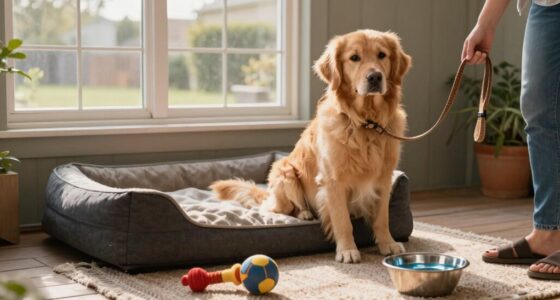

To make your senior pet more comfortable, create a cozy, quiet space away from household noise and add soft, supportive bedding. Install ramps or pet stairs near furniture and beds to prevent strain, and elevate food and water bowls to ease neck discomfort. Use rugs and non-slip mats to prevent falls, and keep their environment clean and organized with easy access to medical supplies. Small adjustments can greatly enhance their safety and well-being—discover more tips to improve their daily life.

Get gifts for the two of you delivered free with Prime
- Fast, free delivery on millions of items
- Prime Video, Amazon Music and more included
- Member-only deals all year
Key Takeaways
- Create a designated, quiet resting area away from household noise for added comfort.
- Install ramps or pet stairs to reduce strain when accessing furniture or beds.
- Keep bedding soft, clean, and supportive to ease joint pain and arthritis.
- Use non-slip mats and rugs to prevent slips and falls on smooth floors.
- Organize medical supplies and records in a single, accessible space for proactive health management.
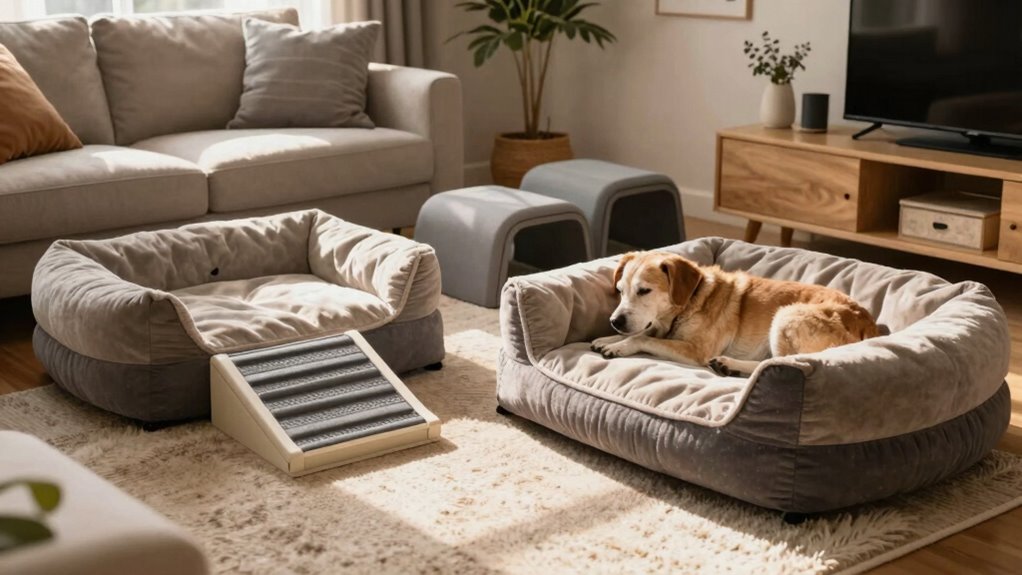
Have you ever wondered how your home should adapt to better support your senior pet’s changing needs? As your pet ages, their comfort and health become even more important, and small adjustments can make a significant difference. One of the first things to consider is medical care. Older pets often require more frequent vet visits, so creating a dedicated, easily accessible space for medical supplies and quick access to the veterinarian can help you stay organized and reduce stress for both of you. Keep essentials like medications, supplements, and medical records in one place, and make sure your pet’s bedding is soft and supportive to ease any joint pain or arthritis. Installing ramps or pet stairs near furniture or beds can prevent unnecessary strain when your senior pet wants to join you or rest comfortably. Regularly monitor for signs of discomfort or health issues, and being proactive with medical care can improve their quality of life. Embracing Biodiversity by choosing environmentally friendly products for your pet’s care can also contribute to a healthier planet and a safer environment for your pet. Additionally, incorporating eco-friendly pet care products can reduce exposure to potentially harmful chemicals and support sustainability. Considering the environmental impact of your pet care choices can help you make more sustainable decisions that benefit both your pet and the planet. Being aware of proper waste disposal methods for pet products also plays a key role in reducing environmental footprint. Regularly researching eco-friendly pet supplies can help you find innovative options that align with your sustainability goals.
Nutrition adjustments are equally vital as your pet ages. Older animals often need a diet tailored to their changing metabolism, lower energy levels, or specific health concerns. Consult your veterinarian to determine the best food options, but generally, you should look for high-quality, easily digestible formulas that support joint health, kidney function, and weight management. You might need to switch to softer foods or add supplements like glucosamine or omega-3 fatty acids to help with joint mobility and coat health. Be mindful of portion sizes to prevent obesity, which can exacerbate health problems, and establish a consistent feeding schedule to give your pet a sense of routine and security. Additionally, keep fresh water accessible at all times, especially if your senior pet is less active or has mobility issues, to prevent dehydration.
Beyond medical care and nutrition, think about the overall layout of your living space. Make sure your pet has a quiet, cozy spot away from household noise, where they can rest undisturbed. Rugs and non-slip mats can help prevent slips and falls, especially on smooth floors. Elevate their food and water bowls to reduce neck strain and make feeding easier. Regularly clean their bedding and living area to minimize allergens and odors, creating a healthier environment for your aging companion. Small changes like these not only address their physical needs but also boost their emotional well-being, making your home a safe haven as they grow older. By thoughtfully adapting your environment and routines, you’re giving your senior pet the comfort and care they deserve during this special stage of life.
Products Worth Considering

Garmin Venu 3 Fitness Smartwatch, 45 mm, Black

Oral-B iO Series 5 Rechargeable Electric Toothbrush with Travel Case and 3 Brush Heads, Black

LEVOIT Vital 100S-P Smart Air Purifier with Washable Pre-Filter
As an affiliate, we earn on qualifying purchases.
Frequently Asked Questions
How Can I Tell if My Pet Is in Pain?
You can tell if your pet is in pain by observing behavioral changes like decreased activity, altered sleeping patterns, or reluctance to be touched. Watch for signs like limping, whining, or hiding. Pain management is essential, so consult your vet if you notice these signs. They can help identify the cause and recommend treatments to keep your senior pet comfortable and happy. Always prioritize their well-being and regular check-ups.
What Are Signs of Cognitive Decline in Senior Pets?
You might notice your senior pet forgetting familiar routines, getting lost in the house, or showing decreased interest in favorite activities—signs of cognitive decline. Coincidentally, these changes often align with sensory decline, like hearing or vision loss. Adjusting their diet to include brain-supporting nutrients and creating a consistent environment can help manage these signs, making your pet more comfortable and supported as they age.
How Often Should I Update My Senior Pet’s Environment?
You should update your senior pet’s environment regularly, ideally every few months, to guarantee comfort and safety. Check that the temperature regulation stays consistent and suitable for their needs, especially during seasonal changes. Refresh their comfortable bedding to provide soft, supportive resting spots, and adjust furniture or layout if they develop mobility issues. Keeping their environment updated helps them stay cozy, secure, and healthy as they age.
Are There Specific Safety Hazards to Watch For?
Yes, you should watch for safety hazards like hazardous plants that could be toxic if ingested and loose rugs that may cause your senior pet to slip or trip. Regularly inspect your home for these dangers, secure loose items, and remove any plants harmful to pets. Keep pathways clear and consider adding non-slip mats, especially in areas where your pet spends a lot of time, to prevent accidents and keep them safe.
How Can I Encourage My Pet to Stay Active?
You can encourage your senior pet to stay active by establishing gentle exercise routines like short walks or play sessions, tailored to their mobility level. Incorporate engaging activities that stimulate their mind and body. Additionally, consult your vet about appropriate dietary supplements that support joint health and energy. Consistency is key; gradually increase activity to prevent discomfort and help your pet stay healthy, happy, and engaged in their golden years.
Conclusion
By making these simple changes, you turn your home into a cozy haven where your senior pet feels embraced and loved. Think of it as crafting a gentle sanctuary, where every step they take is cushioned with care. As they age, your thoughtful adjustments become the steady heartbeat of comfort, guiding them through each day with warmth and reassurance. Together, you create a peaceful rhythm that makes their golden years truly shine.