

Having a hobby benefits your mental health by providing a healthy way to manage stress and process emotions. It helps you focus on enjoyable activities, releasing dopamine and boosting your mood. Hobbies also encourage mindfulness, keeping you present and reducing overwhelming thoughts. Plus, they can strengthen social bonds and build community support. Engaging in hobbies regularly enhances emotional resilience and emotional regulation. Want to discover more simple ways to improve your mental well-being? Keep exploring!
Key Takeaways
- Hobbies provide stress relief by offering healthy outlets for emotional expression and relaxation.
- Engaging in hobbies boosts mood through dopamine release and enhances self-confidence.
- Hobbies foster mindfulness and help develop emotional regulation skills.
- Participating in hobbies strengthens social connections and community support.
- Routine hobby engagement builds emotional resilience and promotes overall mental well-being.
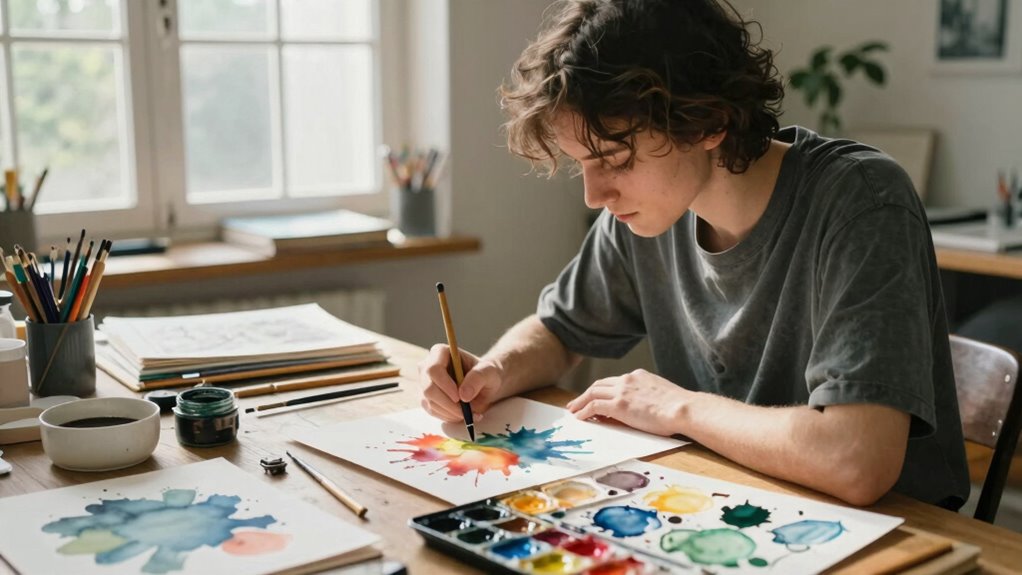
Hobbies play an essential role in supporting mental health by providing a healthy outlet for stress and a sense of accomplishment. When you engage in a hobby, you create space for creative expression, which allows you to channel your emotions and thoughts into something meaningful. This act of expression isn’t just enjoyable; it also helps you process complex feelings and reduces mental clutter. Whether you’re painting, playing music, writing, or crafting, you’re giving yourself permission to explore your inner world without judgment. This creative outlet can serve as a powerful form of stress relief, helping you step back from daily pressures and gain perspective. Instead of bottling up worries, you release them through your chosen activity, which calms your mind and relaxes your body.
Incorporating hobbies into your routine makes a significant difference in your mental well-being. When you dedicate time to activities you enjoy, you’re intentionally shifting your focus away from stressors. This break from routine allows your brain to reset, reducing feelings of anxiety and overwhelm. The act of engaging in a hobby also triggers the release of feel-good chemicals like dopamine, which boosts your mood and gives you a sense of achievement. As you see your progress or create something beautiful, your confidence grows, reinforcing positive feelings about yourself. It’s a cycle: the more you invest in your hobby, the more mental resilience you build to face everyday challenges. Additionally, engaging in hobbies that involve creative expression can enhance your emotional resilience and overall well-being. Developing a routine around your hobbies can also lead to increased mindfulness, helping you stay present in the moment. Research also shows that participating in hobbies can promote emotional regulation, which is essential for managing stress and maintaining mental health.
Furthermore, hobbies foster mindfulness, helping you stay present in the moment. When you’re engrossed in your activity, your mind isn’t wandering to worries or regrets. This focused attention provides a mental break that’s essential for mental health. It encourages a state of flow, where your skills meet challenge in a way that’s both engaging and calming. Over time, this mindfulness practice can improve your overall emotional regulation and reduce chronic stress. Engaging regularly in hobbies can also contribute to building a sense of community, which offers vital social support and emotional comfort. Plus, hobbies often connect you with others who share your interests, which strengthens social bonds and enhances feelings of belonging—another crucial component of mental health. Incorporating social connection into your hobby routine can amplify these benefits and provide additional emotional support during challenging times.
As an affiliate, we earn on qualifying purchases.
Frequently Asked Questions
Can Hobbies Replace Professional Mental Health Treatment?
Hobbies can’t fully replace professional mental health treatment, but they serve as valuable alternative therapies. Engaging in activities you enjoy promotes social engagement, which boosts your mood and reduces feelings of isolation. While hobbies help manage stress and improve well-being, serious mental health issues require expert guidance. Combining hobbies with professional care creates an all-encompassing approach, enhancing your overall mental health and resilience.
How Long Should I Engage in a Hobby for Mental Health Benefits?
You should aim for at least 30 minutes of hobby engagement most days, as this duration commitment maximizes mental health benefits. Imagine a quiet morning, where dedicating time to your hobby feels like a gentle breeze, clearing your mind. The ideal frequency varies, but consistency matters—try to incorporate your hobby into your routine regularly to experience sustained positive effects on your mood and stress levels.
Are Certain Hobbies Better for Mental Health Than Others?
Certain hobbies are better for your mental health because they serve as creative outlets or involve social activities. Creative pursuits like painting or writing help you express emotions and reduce stress, while social hobbies like team sports or group classes boost your sense of connection and belonging. Choose activities that resonate with you, as they’ll be more effective in improving your mental well-being and providing a fulfilling escape from daily stressors.
Can Trying New Hobbies Reduce Stress More Effectively?
Trying new hobbies can be like opening a treasure chest—each one offering fresh ways to reduce stress. You engage in mindfulness practices and creative expression, which help you stay present and calm. By exploring unfamiliar activities, you challenge your mind and break routine, making stress easier to manage. Embracing novelty keeps your mental health resilient, turning everyday moments into opportunities for growth and relaxation.
How Do Hobbies Impact Overall Life Satisfaction?
Hobbies boost your overall life satisfaction by providing a sense of achievement and joy. When you engage in mindfulness practices through hobbies, you stay present and reduce stress. Social engagement with others in hobbies like sports or clubs also enhances your feelings of belonging. These activities help you balance work and personal life, fostering happiness and fulfillment that extend beyond just mental health, enriching your everyday experiences.
musical instruments for beginners
As an affiliate, we earn on qualifying purchases.
As an affiliate, we earn on qualifying purchases.
Conclusion
Imagine a busy city street, noise and chaos swirling around you—that’s daily stress. Now picture yourself in a quiet park, lost in a hobby that brings you peace. Hobbies are your sanctuary, a gentle escape from the rush. They ground you, creating calm amid chaos. By making time for what you love, you nurture your mind, turning life’s hustle into moments of serenity. Embrace your hobby, and watch your mental health flourish.
As an affiliate, we earn on qualifying purchases.
As an affiliate, we earn on qualifying purchases.