
TL;DR
Many homes feel hotter each year due to aging components like insulation, caulk, ductwork, and HVAC systems. Experts recommend inspections and upgrades to restore comfort and reduce energy costs.
Many homeowners notice their houses feeling increasingly hot each year, especially during summer. Experts confirm that this is often due to aging components within the home, such as insulation, caulk, ductwork, and HVAC systems, rather than just external weather conditions.
According to home improvement specialists, aging insulation can compress or degrade, allowing external heat to penetrate and trapping humidity indoors, which forces air conditioning units to work harder. Upgrading attic insulation to modern standards is a recommended step to restore thermal barriers and improve energy efficiency.
Old caulk and weatherstripping around windows and doors can crack or become brittle over time, creating gaps that allow warm air in and cool air out. Inspecting and sealing these leaks with new caulk and weatherstripping is a simple, effective solution.
Leaky ductwork is another common issue; ducts running through hot spaces like attics or crawl spaces can lose cooled air, which then pulls in hot air from these areas. Sealing and insulating ducts can significantly improve system performance. Professional duct sealing and insulation upgrades are advised for best results.
Older HVAC units tend to lose efficiency due to dirty coils, low refrigerant, or worn components. Routine maintenance, including coil cleaning and refrigerant checks, can prolong system life and improve cooling performance. Additionally, climate changes, such as hotter summers, increase the demand on existing systems, making upgrades or adjustments necessary.
Why This Matters for Home Comfort and Energy Costs
Understanding that internal home components deteriorate over time highlights the importance of regular inspections and upgrades. Addressing these issues not only improves comfort during peak heat but also reduces energy bills by enhancing system efficiency. As climate patterns shift, maintaining a home’s thermal barrier becomes increasingly critical for managing rising outdoor temperatures and humidity levels.

DGSL Attic Door Insulation Cover, Attic Tent 25 x 54 x 11 in
- Year-Round Insulation: Suitable for hot summers and cold winters
- Dust and Pollutant Seal: Prevents dust and pollutants from entering
- Premium Foil Bubble Insulation: Provides energy savings and insulation
As an affiliate, we earn on qualifying purchases.
As an affiliate, we earn on qualifying purchases.
How Aging Components and Climate Change Affect Indoor Temperatures
Over the years, many homes experience increased indoor temperatures due to natural wear and tear on insulation, caulk, and ductwork. Experts note that climate change has led to longer, more intense heatwaves, which put additional strain on HVAC systems originally designed for different conditions. Routine maintenance and upgrades are essential to adapt to these evolving challenges.
“Over the years, houses deteriorate, which can make them feel hotter. Often, it’s a combination of small issues that have built up over time.”
— Lane Martin, co-founder of Modern PURAIR

Kneelisa 118” Wedge-Shape Foam Window Weather Stripping Door Seal
- Adjustable Wedge Design: Fits various gap sizes from 5/32" to 11/32"
- Durable Materials: Nylon cloth and waterproof PU foam
- Wide Compatibility: Suitable for doors, windows, cabinets, and more
As an affiliate, we earn on qualifying purchases.
As an affiliate, we earn on qualifying purchases.
Uncertainties About the Extent and Timing of Home Upgrades
It is still unclear how quickly homes deteriorate or how effective specific upgrades will be in different environments. The impact of climate change on future cooling needs and the cost-effectiveness of various solutions vary by region and home condition.
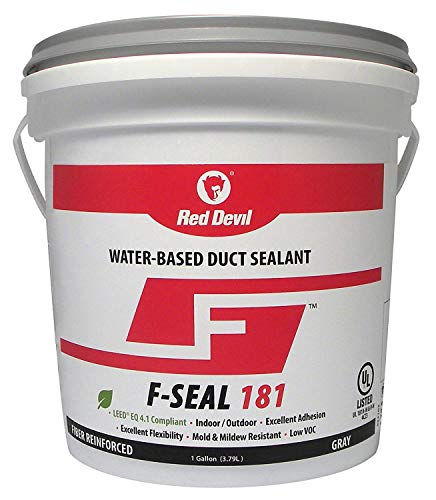
Red Devil 0841DX F-Seal 181 Duct Seal, Fiber Reinforced Water Based Duct Sealant, 1 Gallon, Gray, Made in USA
- Seals HVAC systems effectively: Fiber-reinforced, leak-proof formula
- Certified for all duct types: UL 181 A-M & B-M certified
- Indoor and outdoor use: Weather-resistant for versatile applications
As an affiliate, we earn on qualifying purchases.
As an affiliate, we earn on qualifying purchases.
Next Steps for Homeowners and Industry Professionals
Homeowners should conduct regular inspections of insulation, caulk, and ductwork, and consider professional assessments for HVAC efficiency. Upgrading insulation, sealing leaks, and maintaining HVAC systems are recommended. As climate patterns continue to shift, future innovations in home insulation and cooling technology may also become relevant.
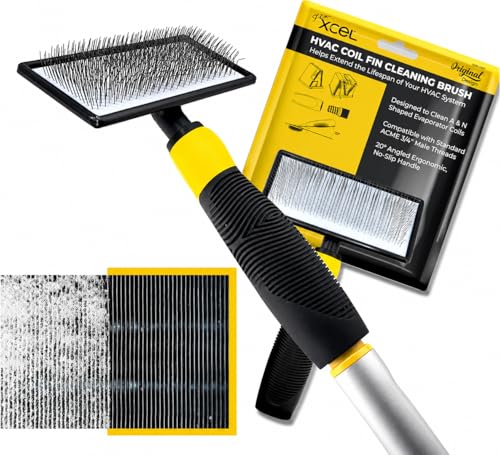
HVAC Coil Cleaner Brush for AC Evaporator & Condenser Coil Cleaning
- Effective Coil Cleaning: Removes debris for better airflow
- Deep Cleaning Capability: Cleans dirt between fins and surface
- Compatible with Extension Poles: Fits ¾-inch ACME-thread poles
As an affiliate, we earn on qualifying purchases.
As an affiliate, we earn on qualifying purchases.
Key Questions
How can I tell if my insulation needs upgrading?
If your home feels warmer than it used to, or if your energy bills are rising despite a functioning AC, it may be time to inspect or upgrade insulation, especially in the attic and walls.
What is the easiest fix for small leaks around windows and doors?
Recaulking and replacing weatherstripping are straightforward DIY tasks that can significantly reduce air leaks and improve indoor comfort.
Should I replace my HVAC system if it’s old?
If your system is over 10-15 years old and requires frequent repairs, upgrading to a newer, more efficient model can save energy and improve cooling performance, especially in hotter climates.
Can climate change really make my house hotter?
Yes, increased frequency and intensity of heatwaves, along with higher humidity, can make existing HVAC systems less effective, necessitating upgrades and better home insulation.
What other measures can I take to keep my home cooler?
Using fans, closing blinds during peak heat, planting shade trees, and adding outdoor shading devices can help reduce indoor temperatures without immediate HVAC upgrades.
Source: Bob Vila