
TL;DR

Get gifts for the two of you delivered free with Prime
- Fast, free delivery on millions of items
- Prime Video, Amazon Music and more included
- Member-only deals all year
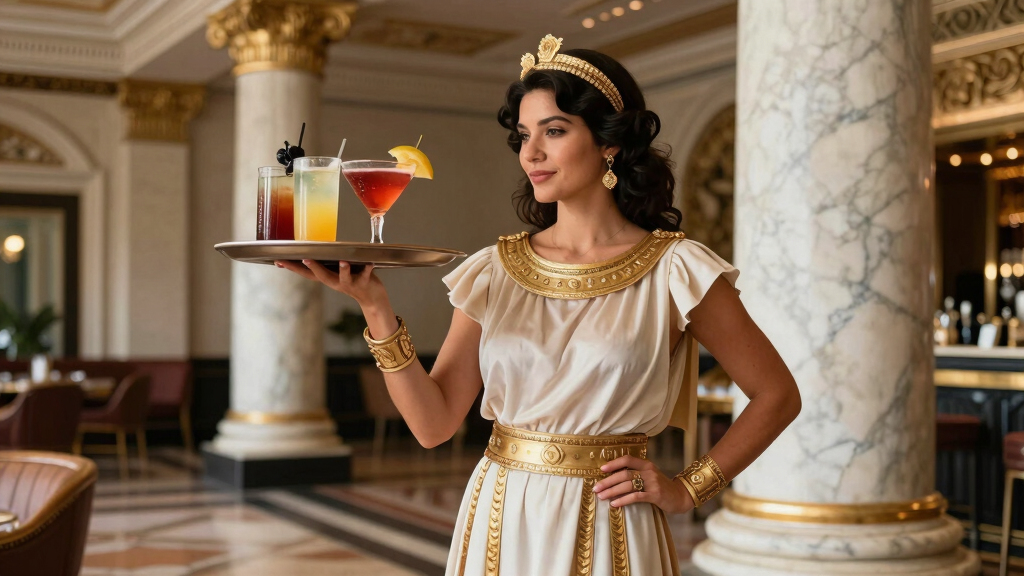
Caesars Palace opened in 1966 with a Roman Empire theme, featuring cocktail waitresses in Greco-Roman wigs who greeted guests with the phrase ‘Welcome to Caesars Palace, I am your slave.’ This detail highlights the hotel’s opulent, themed debut. The practice was part of creating an immersive experience for guests.
Caesars Palace opened its doors on August 5, 1966, featuring a distinctive Roman Empire theme, including cocktail waitresses dressed in Greco-Roman wigs who greeted guests with the phrase “Welcome to Caesars Palace, I am your slave.” This detail underscores the immersive, themed experience the hotel aimed to create from its inception.
The original Caesars Palace was designed by architect Melvin Grossman and opened in 1966 as a luxury hotel and casino on the Las Vegas Strip. During its opening, cocktail waitresses dressed in Greco-Roman costumes with wigs greeted guests, embodying the Roman Empire theme. According to accounts from a Reddit post and historical sources, these waitresses would welcome visitors and reportedly say, “Welcome to Caesars Palace, I am your slave.” This theatrical approach was part of the overall effort to evoke the grandeur of ancient Rome, aligning with the hotel’s signature replica art and statues. The opening event was lavish, costing around one million dollars, with performances by Andy Williams and Phil Richards. The theme extended throughout the property, including its architecture, statues, and public spaces, aiming to transport guests to a Roman imperial setting.
Why It Matters
This detail reveals how Caesars Palace sought to craft an immersive, themed environment that set a standard for Las Vegas luxury resorts. The use of costume and theatrical staff contributed to the hotel’s reputation for opulence and spectacle, influencing future themed casinos. It also highlights the importance of atmosphere and branding in attracting high-profile clientele and creating a unique entertainment experience that remains a hallmark of Las Vegas history.
Products Worth Considering

Withings Sleep Under-Mattress Sleep Tracking Pad

Levoit Core 400S-P Smart Air Purifier for Large Rooms

Philips Sonicare 6500 Series Rechargeable Electric Toothbrush with 2 Brush Heads, White
As an affiliate, we earn on qualifying purchases.
Background
Caesars Palace was developed in the early 1960s by Jay Sarno and Stanley Mallin, inspired by the grandeur of ancient Rome and Greece. Its opening in 1966 marked a turning point in Las Vegas, emphasizing themed luxury and elaborate decor. The hotel’s Roman motif, including statues and architecture, was part of a broader trend toward immersive resort experiences. The practice of themed staff and costumes was integral to establishing its identity, with the Greco-Roman waitresses being a notable feature during its debut. The hotel quickly became a symbol of opulence and spectacle, hosting major entertainment acts and sporting events for decades.
“The cocktail waitresses in Greco-Roman wigs would greet guests and say ‘Welcome to Caesars Palace, I am your slave.'”
— Reddit user recounting historical details
“Caesars Palace was designed to give guests a sense of life during the Roman Empire, with statues, columns, and elaborate decor.”
— Historical sources / author
What Remains Unclear
It remains unclear how widespread the use of Greco-Roman costumes was among staff during the entire opening period and whether this practice continued in later years. Details about the exact costumes and staff roles are based on retrospective accounts and may not fully represent the original scope.
What’s Next
Further archival research and interviews with former staff or guests could clarify the extent of the themed staff costumes at Caesars Palace’s opening. Additional historical documentation may reveal how the theme evolved over time and whether similar practices persisted.
Key Questions
Were the Greco-Roman costumes worn by waitresses unique to Caesars Palace?
While themed costumes were common in many early Las Vegas casinos, the specific use of Greco-Roman wigs and attire at Caesars Palace was part of its unique Roman Empire theme during its opening.
Did the themed waitresses serve a functional role or mainly entertainment?
The primary role was to enhance the immersive Roman experience for guests, combining service with entertainment and thematic atmosphere.
Are there photographs or visual records of these staff costumes?
Historical photographs from the opening era are limited, but some images and accounts suggest the costumes were elaborate and consistent with the Roman theme.
Has Caesars Palace maintained this themed staff approach in recent years?
No, modern Caesars Palace staff do not typically wear Greco-Roman costumes, as the hotel has shifted towards contemporary service standards.
Source: reddit